
Ephedra ciliata
Ephedra ciliatafam. Zygophyllaceae
Educational content — not medical, botanical, or professional advice. Always consult a qualified clinician before using any herbal preparation — especially during pregnancy, breastfeeding, while on medication, or for children. How we source & review →
Garden journal pausedUse profile notes below
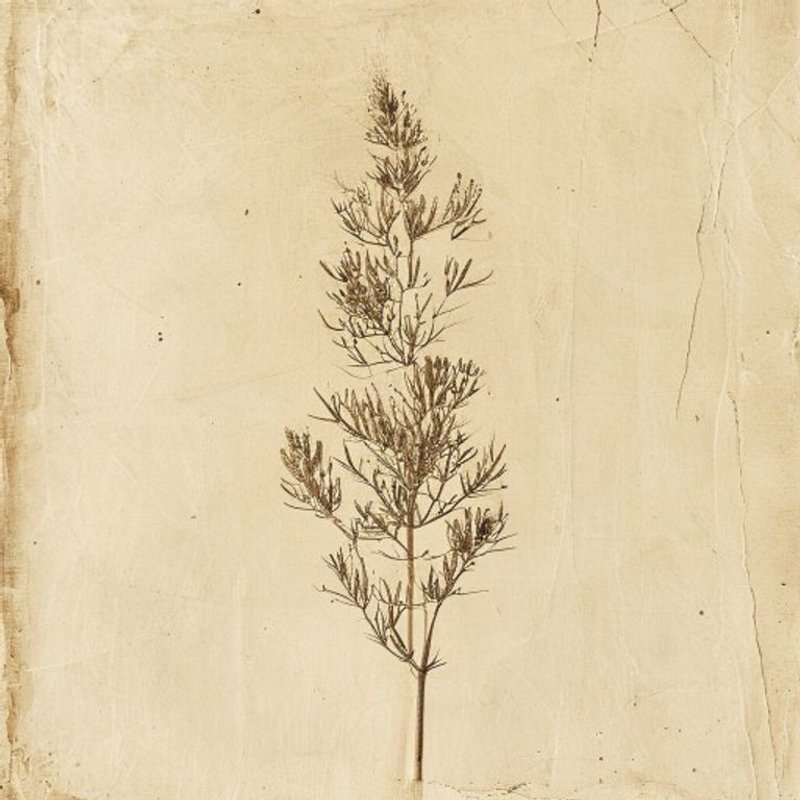
Pl. 5907 — Ephedra ciliata
Ephedra ciliataEphedra ciliataEphedra ciliataEphedra ciliataEphedra ciliataEphedra ciliataEphedra ciliataEphedra ciliataEphedra ciliataEphedra ciliataEphedra ciliataEphedra ciliataEphedra ciliataEphedra ciliata
IOverview
Overview
Ephedra ciliata, a member of the Ephedraceae family, is a small shrub native to arid regions across northern Africa and southwestern Asia, including Afghanistan, Algeria, Chad, Egypt, Ethiopia, and parts of India. This plant thrives in full sun and can grow in light to medium soil types, reaching heights of only 0.2 meters. Known for its edible fruit, which can be eaten raw or dried, it is native to regions in Africa, Asia, and the Middle East where it grows in dry, sandy soils. The fruit of Ephedra ciliata is a valuable food source in these areas. In addition to its culinary uses, this plant has documented medicinal applications, making it an interesting subject in botanical studies. Its ability to adapt to harsh environments, such as those found in arid and semi-arid regions, makes it a resilient species. Cultivation of Ephedra ciliata is relatively straightforward; it thrives in full sun and prefers light to medium soil types that are well-draining. While it is drought-tolerant, it can also handle moist conditions, making it adaptable to various environments. For cultivation, ensure the soil remains not too wet, allowing it to dry out between waterings. Propagation can be achieved through seeds or cuttings. Given its native range in arid and semi-arid areas, it is hardy in temperate regions but may require protection from excessive moisture. Despite its potential medicinal uses, caution should be exercised when handling or using any part of the plant, as it contains compounds that can be harmful if not used properly.
Quick answers
What is Ephedra ciliata?
Ephedra ciliata, a member of the Ephedraceae family, is a small shrub native to arid regions across northern Africa and southwestern Asia, including Afghanistan, Algeria, Chad, Egypt, Ethiopia, and parts of India. This plant thrives in full sun and can grow in light to medium soil types, reaching heights of only 0.
IV·bMixology suggestions
2 drafts
Mixology suggestions
2 draftsEditorial drafts. These pairings are AI-suggested from traditional herbal lore. Always verify with a qualified herbalist before brewing.
Focus Blend
focustincture
Historically used for mental clarity and concentration.
Immune Support
immunedecoction
Traditionally combined to support the immune system.
Growingconditions · propagation · uses
VCultivation
Cultivation
Ephedra ciliata thrives in full sun and prefers light to medium soil types that are well-draining. It is drought-tolerant but can also handle moist conditions, making it adaptable to various environments. This plant grows up to 0.2 meters tall and is native to regions across Africa, Asia, and the Middle East. For cultivation, ensure the soil remains not too wet; allow it to dry out between waterings. Propagation can be achieved through seeds or cuttings. Given its native range in arid and semi-arid areas, it is hardy in temperate regions but may require protection from excessive moisture.
Light
Full sun
Water
Dry, Moist
Soil
Light (sandy), Medium
Mature size
0.2 m tall
For first-time growers
How to grow Ephedra ciliata for the first time
7steps
Start with a simple and low-maintenance plant like Skip (Ephedra ciliata) to gain experience in gardening basics.
- 1
What you'll need
A small container, well-draining soil mix, and seeds or young plants.
- 2
Best time to plant
Plant Skip during the spring when temperatures are mild and there's plenty of sunlight.
- 3
Soil and container prep
Use a light, sandy soil in a container with good drainage holes.
- 4
Sowing or transplanting
Direct sow seeds outdoors after the last frost or start them indoors 4-6 weeks before planting outside.
- 5
First two weeks
Water sparingly to keep the soil moist but not soggy. Place in a sunny spot and avoid direct sunlight for the first few days.
- 6
Ongoing care
Ensure the plant receives full sun, water only when the soil is dry, and provide light sandy or medium soil conditions.
- 7
Harvest or pruning
Skip is primarily grown for its ornamental value. Prune lightly to maintain shape if needed.
VIEdible & utility
Edible & utility
Edible parts:Fruit
Edible uses: The fruit of Ephedra ciliata is edible and can be eaten raw or dried. It is native to regions in Africa, Asia, and the Middle East where it grows in dry, sandy soils under full sun.
Contextrange · companions · related
VIIDistribution
27 native · 0 introduced
Distribution
27 native · 0 introducedDistribution across2 continents· 27 native
Asia12 regions
native (12)AfghanistanIndiaIranIraqKuwaitOmanPakistanPalestineSaudi ArabiaTurkmenistanUzbekistanYemen
Africa11 regions
native (11)AlgeriaChadDjiboutiEgyptEthiopiaLibyaMauritaniaMoroccoSomaliaSudanWestern Sahara
Broader regions
native:Gulf States, Sinai, Socotra, Tadzhikistan
IXSpecimen gallery
1 image
Specimen gallery
1 imageXSee also
2 related
See also
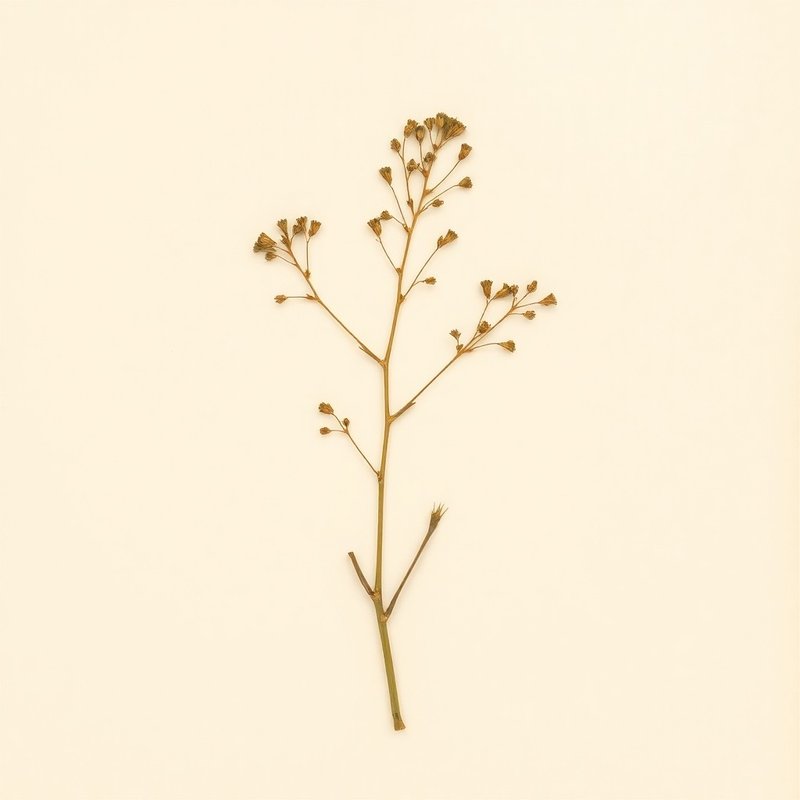
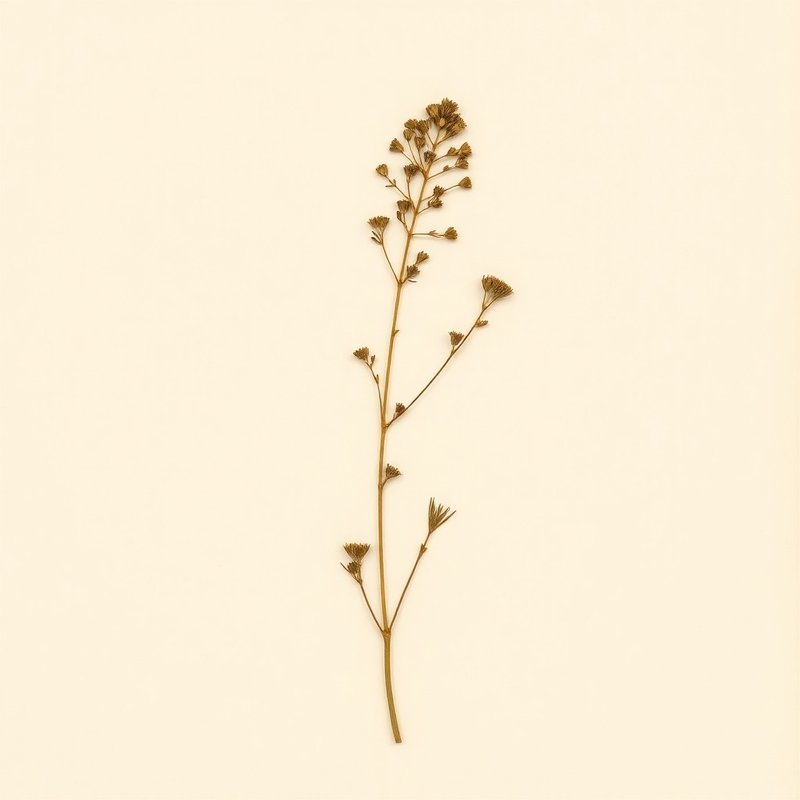
2 relatedPlants you might compare or use together — scored by shared family (Zygophyllaceae), common use cases, and growing requirements.
same family · Zygophyllaceae
Botanical relatives — often share phytochemistry + growing needs.
XI
Explore further
Companion planting
Compare with similar plants
Native to
XII
About this entry
- Last updated
- Citation
- How to cite this entry · Submit a correction
Back to the cataloguePlant id · 59078df2-18a5-42c3-aa7f-e31dcf5ee9ae
Decision aid
Choosing between Ephedra ciliata and something else?
Continue reading
❦❦❦❦
Endpaper · archive updates
Get archive updates
Occasional email when substantial new content lands — plant profiles, seasonal growing notes, folk-remedy additions. Free, no tracking, unsubscribe anytime.
Newsletter returning soon.
We are rebuilding the update list around a lightweight editorial workflow. New dispatches will resume after the next content review cycle.