
Muzei Ma Huang
Ephedra equisetina
Educational content — not medical, botanical, or professional advice. Always consult a qualified clinician before using any herbal preparation — especially during pregnancy, breastfeeding, while on medication, or for children. How we source & review →
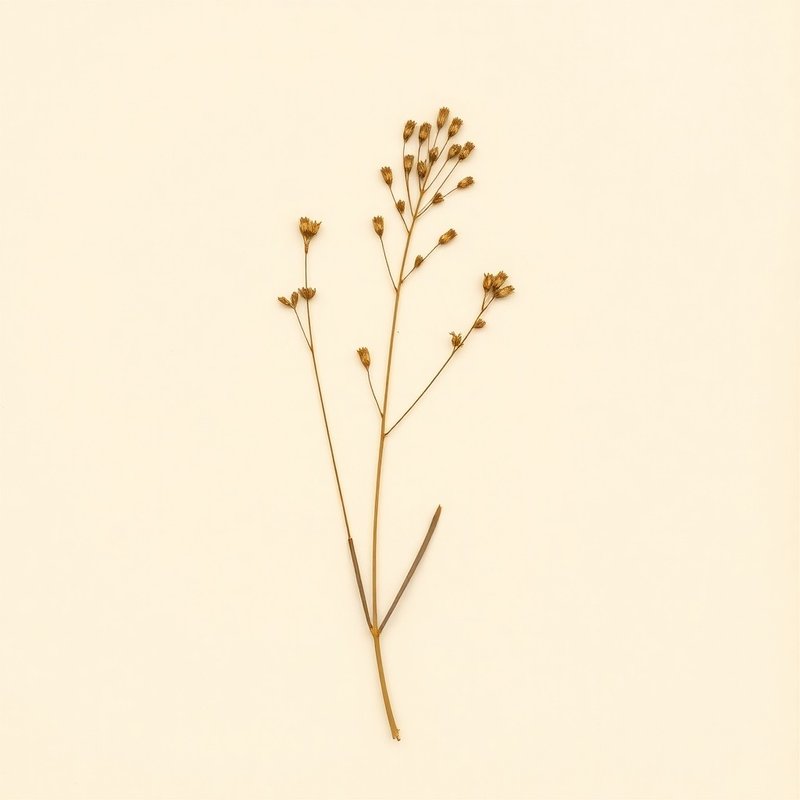
Pl. BCAA — Ephedra equisetina
Ephedra equisetinaEphedra equisetinaEphedra equisetinaEphedra equisetinaEphedra equisetinaEphedra equisetinaEphedra equisetinaEphedra equisetinaEphedra equisetinaEphedra equisetinaEphedra equisetinaEphedra equisetinaEphedra equisetinaEphedra equisetina
IOverview
Overview
Muzei Ma Huang, known botanically as Ephedra equisetina, is a shrubby plant native to the mountainous regions of Central Asia and northern China. It thrives in various habitats including dry and moist areas, preferring light sandy or medium soils. This species can grow up to 1.5 meters tall and requires full sun for optimal growth. Muzei Ma Huang is notable not only for its ornamental value but also for its edible fruit, which makes it a valuable plant in local ecosystems and gardens. Its adaptability across different environmental conditions has made it a common sight in the landscapes of Altay, China North-Central, Inner Mongolia, Kirgizstan, Krasnoyarsk, Mongolia, North Caucasus, Primorye, and other regions within its native range.
Quick answers
What is Muzei Ma Huang?
Muzei Ma Huang, known botanically as Ephedra equisetina, is a shrubby plant native to the mountainous regions of Central Asia and northern China. It thrives in various habitats including dry and moist areas, preferring light sandy or medium soils.
IV·bMixology suggestions
1 draft
Mixology suggestions
1 draftEditorial drafts. These pairings are AI-suggested from traditional herbal lore. Always verify with a qualified herbalist before brewing.
Muzei Ma Huang support blend
generaltea
AI returned a direct ingredient list; normalized into one draft blend for editorial review.
Growingconditions · propagation · uses
VCultivation
Cultivation
Muzei Ma Huang thrives in full sun and prefers well-draining soils that are either light (sandy) or medium-textured. It is adaptable to both dry and moist conditions but requires ample sunlight for optimal growth. This plant can reach a height of 1.5 meters and is hardy in temperate regions, making it suitable for various climates. For propagation, seeds can be sown directly into the ground where they will grow. The fruit is edible, providing an additional benefit to gardeners interested in both ornamental and culinary uses.
Light
Full sun
Water
Dry, Moist
Soil
Light (sandy), Medium
Mature size
1.5 m tall
For first-time growers
How to grow Muzei Ma Huang for the first time
8steps
Start with basic care for Muzei Ma Huang, focusing on sunlight and soil preparation.
- 1
What you'll need
Seeds or small plants, a pot or garden bed, good quality potting mix if planting in a container.
- 2
Best time to plant
Plant Muzei Ma Huang in early spring when the soil is moist but not waterlogged.
- 3
Soil and container prep
Use well-draining soil, either in a pot with drainage holes or directly in a sunny garden bed.
- 4
Sowing or transplanting
Direct sow seeds 1-2 cm deep; for transplants, use small plants that are about 5-10 cm tall.
- 5
First two weeks
Water sparingly to keep the soil moist but not soggy. Place in a sunny spot and avoid direct afternoon sun.
- 6
Ongoing care
Muzei Ma Huang prefers full sun, so ensure it gets at least 6 hours of sunlight daily. Water only when the soil is dry.
- 7
Harvest or pruning
Prune lightly to maintain shape and remove dead branches; harvest fruit for culinary use if desired.
- 8
Common mistakes
Overwatering, planting in heavy soil, not providing enough sunlight, neglecting to prune.
VIEdible & utility
Edible & utility
Edible parts:Fruit
Edible uses: The fruit of Muzei Ma Huang (Ephedra equisetina) is edible and can be consumed fresh or dried. It is often used in traditional dishes but specific preparation methods are not detailed in the provided data.
Contextrange · companions · related
VIIDistribution
16 native · 0 introduced
Distribution
16 native · 0 introducedDistribution across2 continents· 16 native
Europe1 region
native (1)Russia
Asia5 regions
native (5)ChinaMongoliaTurkeyTurkmenistanUzbekistan
Broader regions
native:Altay, Kirgizstan, Krasnoyarsk, Tadzhikistan, Tuva, Primorye
IXSpecimen gallery
1 image
Specimen gallery
1 imageXI
Explore further
Companion planting
XII
About this entry
- Last updated
- Citation
- How to cite this entry · Submit a correction
Back to the cataloguePlant id · bcaac672-684a-474f-a801-9677c159d5ff
Decision aid
Choosing between Muzei Ma Huang and something else?
Continue reading
❦❦❦❦
Endpaper · archive updates
Get archive updates
Occasional email when substantial new content lands — plant profiles, seasonal growing notes, folk-remedy additions. Free, no tracking, unsubscribe anytime.