
Ma Huang
IOverview
Overview
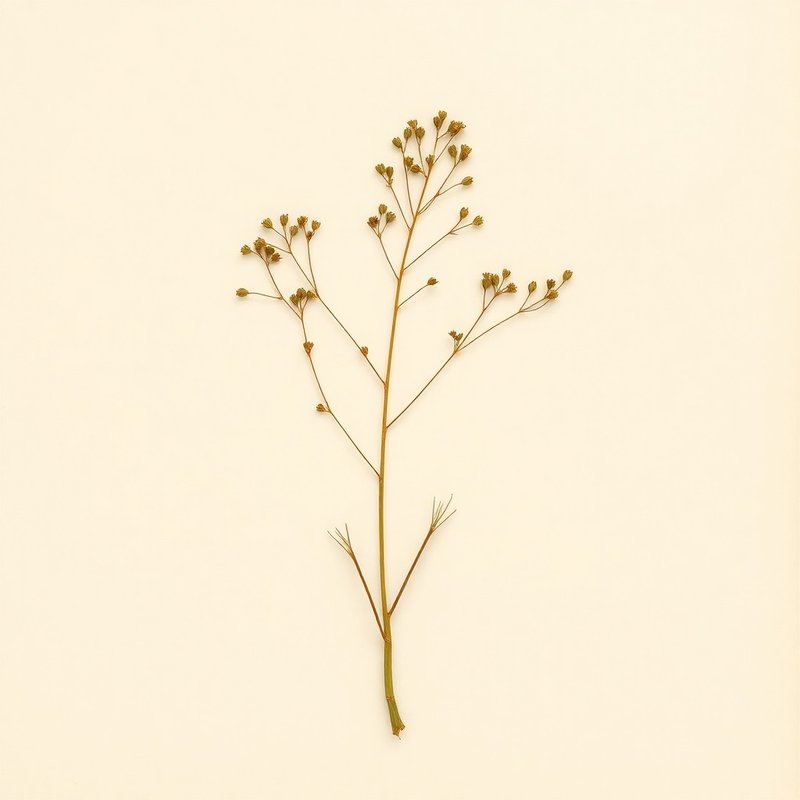
Ma Huang, scientifically known as Ephedra sinica, is a small shrub belonging to the family Celastraceae. Native to the mountainous regions of Buryatiya, China North-Central, Chita, Inner Mongolia, Manchuria, Mongolia, and Primorye, Ma Huang thrives in full sun and can adapt to both dry and moist conditions, thriving best in light or sandy soil with medium moisture levels. Standing at a height of 0.4 meters, this plant is known for its edible fruit, which can be consumed raw or dried and used in various culinary preparations, though specific methods are not detailed in the provided data. In traditional Chinese medicine, Ma Huang has been used for immune support, often prepared as a decoction to help the body resist colds and flu. Its fruit, while edible, is not the only part of the plant with significance; Ma Huang has also been traditionally used for its medicinal properties. However, it is important to use caution when considering its medicinal applications, as improper use can be harmful. Ma Huang's adaptability to various environmental conditions and its edible fruit make it a valuable resource in the regions where it grows. For cultivation, ensure the soil is not overly wet; dry conditions are ideal. Propagation can be done through seeds or cuttings.
What is Ma Huang?
Ma Huang, scientifically known as Ephedra sinica, is a small shrub belonging to the family Celastraceae.
What is Ma Huang used for?
Traditionally used for immune support. Each claim is evidence-rated — see Section II for full citations.
IIBenefits & evidence
1 claim · traditional-use context
Benefits & evidence
1 claim · traditional-use context- Ma Huang has been traditionally used in Chinese medicine for immune support, often prepared as a decoction. It is believed to help the body resist colds and flu.
The mechanism by which Ma Huang supports the immune system is not fully characterised but may involve its stimulatory effects on the sympathetic nervous system, potentially enhancing immune response.
▲ ModerateImmune support →
VCultivation
Cultivation
How to grow Ma Huang for the first time
Start with basic care for Ma Huang, focusing on simple soil and light requirements.
- 1
What you'll need
Seeds or young plants, a small pot, well-draining soil.
- 2
Best time to plant
Plant in spring when the last frost has passed.
- 3
Soil and container prep
Use a light, sandy mix. Ensure the container has drainage holes.
- 4
Sowing or transplanting
Direct sow seeds outdoors after danger of frost. Transplant young plants if needed.
- 5
First two weeks
Keep soil moist but not waterlogged. Place in a sunny spot, avoiding direct midday sun.
- 6
Ongoing care
Water sparingly to keep the soil dry. Provide full sun and regular weeding.
- 7
Harvest or pruning
Prune lightly after flowering to maintain shape. Harvest fruits when they are ripe.
- 8
Common mistakes
Overwatering, planting in heavy soil, not providing enough sunlight.
VIEdible & utility
Edible & utility
VIIDistribution
7 native · 0 introduced
Distribution
7 native · 0 introducedIXSpecimen gallery
1 image
Specimen gallery
1 imageXSee also
8 related
See also
8 relatedPlants you might compare or use together — scored by shared family (Celastraceae), common use cases, and growing requirements.

Explore further
About this entry
- Last updated
- Citation
- How to cite this entry · Submit a correction
Continue reading
Get archive updates
Occasional email when substantial new content lands — plant profiles, seasonal growing notes, folk-remedy additions. Free, no tracking, unsubscribe anytime.