
Longleaf Jointfir
IOverview
Overview
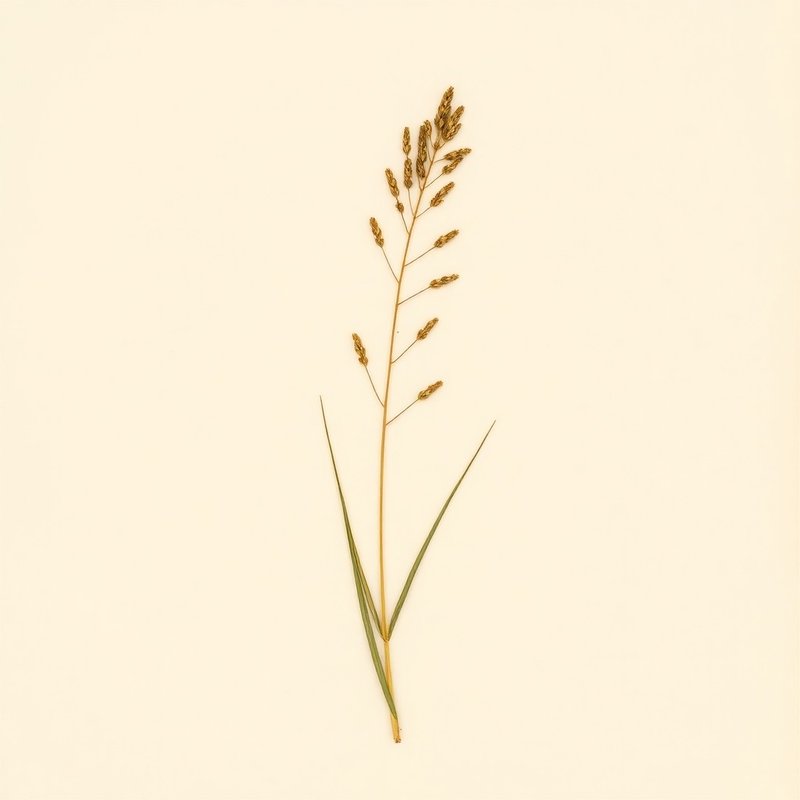
Longleaf Jointfir (Ephedra trifurca) is a shrub native to the arid and semi-arid regions of Arizona, California, New Mexico, and parts of Mexico. This plant thrives in full sun and prefers well-draining soils that can range from light (sandy) to medium textures, with a pH between 7.5 and 9.5. It grows up to 2 meters tall and is a member of the Ephedraceae family, characterized by its distinctive multiple stem growth form. The fine, green foliage and branching pattern of Longleaf Jointfir add diversity to the landscape, making it a valuable ornamental addition. The fruit of Longleaf Jointfir is edible and can be used to make tea, while its medicinal properties are also well-documented. This plant is drought-tolerant but can also handle moist conditions, making it adaptable to various growing contexts. Longleaf Jointfir is a valuable addition to gardens and landscapes, offering both ornamental and practical benefits. While it is generally safe, caution should be exercised, especially when considering its medicinal use, as with any plant.
What is Longleaf Jointfir?
Longleaf Jointfir (Ephedra trifurca) is a shrub native to the arid and semi-arid regions of Arizona, California, New Mexico, and parts of Mexico. This plant thrives in full sun and prefers well-draining soils that can range from light (sandy) to medium textures, with a pH between 7.
IV·bMixology suggestions
1 draft
Mixology suggestions
1 draftVCultivation
Cultivation
How to grow Longleaf Jointfir for the first time
Start with a simple, low-maintenance shrub that thrives in dry conditions.
- 1
What you'll need
Longleaf Jointfir plant or seeds.
- 2
Best time to plant
Plant in spring when the soil is warm and moist.
- 3
Soil and container prep
Use well-draining soil with a pH between 7.5–9.5; avoid heavy clay.
- 4
Sowing or transplanting
Direct sow seeds in the ground or start them indoors before transplanting to larger containers.
- 5
First two weeks
Water sparingly, allowing soil to dry out between waterings. Keep in a sunny spot.
- 6
Ongoing care
Provide full sun and minimal watering; avoid overwatering which can lead to root rot.
- 7
Harvest or pruning
Prune lightly to maintain shape, but avoid cutting into old wood as it may not regrow.
- 8
Common mistakes
Overwatering, planting in heavy soil, and excessive pruning are common pitfalls.
VIEdible & utility
Edible & utility
VIIDistribution
6 native · 0 introduced
Distribution
6 native · 0 introducedIXSpecimen gallery
1 image
Specimen gallery
1 imageExplore further
About this entry
- Last updated
- Citation
- How to cite this entry · Submit a correction
Continue reading
Get archive updates
Occasional email when substantial new content lands — plant profiles, seasonal growing notes, folk-remedy additions. Free, no tracking, unsubscribe anytime.