
Soft Love Grass
Eragrostis pilosa
Educational content — not medical, botanical, or professional advice. Plant identification, safety, and edibility depend on local conditions, cultivars, and correct identification. Consult a qualified botanist or forager before consuming or handling wild specimens. How we source & review →
Garden journal pausedUse profile notes below
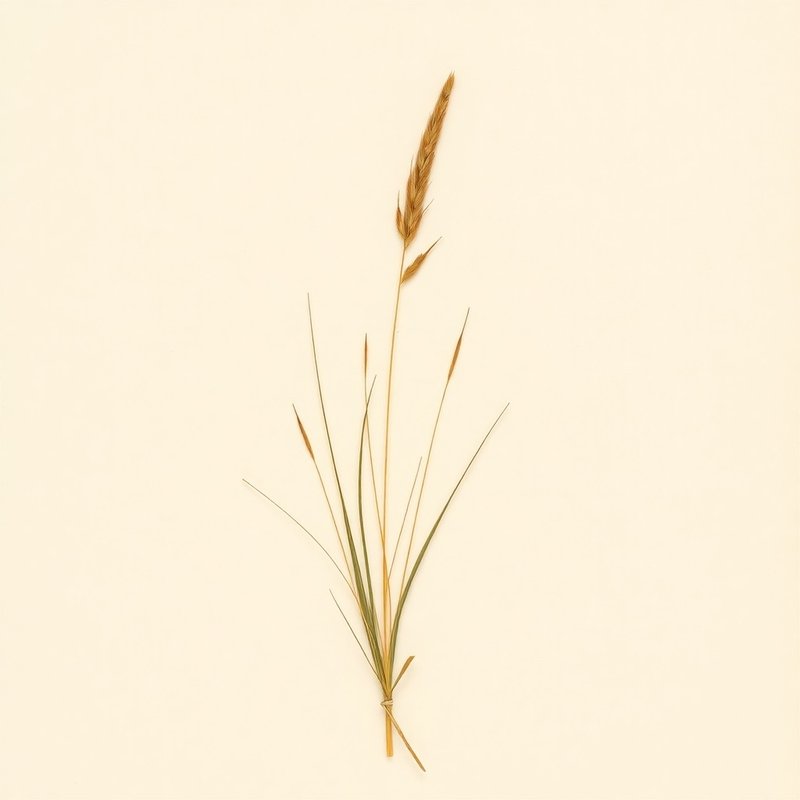
Pl. 88B6 — Eragrostis pilosa
Eragrostis pilosaEragrostis pilosaEragrostis pilosaEragrostis pilosaEragrostis pilosaEragrostis pilosaEragrostis pilosaEragrostis pilosaEragrostis pilosaEragrostis pilosaEragrostis pilosaEragrostis pilosaEragrostis pilosaEragrostis pilosa
IOverview
Overview
Soft Love Grass (Eragrostis pilosa) is an annual graminoid native to a vast range that spans from Afghanistan and Albania to Zimbabwe, including regions in Europe, Asia, and Africa. This adaptable plant thrives in moist environments with light or medium soil, preferring a pH of 7.5–8. Growing up to 0.6 meters tall, Soft Love Grass is notable for its edible seeds, making it a valuable food source in its native range. Its ability to grow in diverse climates and soils has allowed it to spread across a wide geographical area. One distinctive feature of this plant is its high light requirement, with an energetic rating of 9/10, indicating that it prefers ample sunlight. Soft Love Grass can be cultivated successfully by providing well-draining soil that remains consistently moist. It thrives in temperate regions with hardiness zones 6-9 and grows up to 0.6 meters tall. For optimal growth, ensure the plant receives plenty of sunlight; its light rating suggests it needs a lot of exposure to thrive. Propagation is best achieved through seed planting, as this method ensures the most robust results.
Quick answers
What is Soft Love Grass?
Soft Love Grass (Eragrostis pilosa) is an annual graminoid native to a vast range that spans from Afghanistan and Albania to Zimbabwe, including regions in Europe, Asia, and Africa. This adaptable plant thrives in moist environments with light or medium soil, preferring a pH of 7.
Growingconditions · propagation · uses
VCultivation
Cultivation
Soft Love Grass thrives in light to medium soils and prefers a pH of 7.5–8. It is hardy in temperate regions with zones 6-9. This annual plant requires moist conditions and can grow up to 0.6 meters tall. For optimal growth, provide plenty of sunlight; it rates light at 9/10 on the scale. Propagate by seed for best results. Ensure the soil is well-draining but consistently moist to mimic its natural habitat.
Light
9/10
Water
Moist
Soil
Light (sandy), Medium
Hardiness
6-9
Life cycle
Annual
Habit
Graminoid
Mature size
0.6 m tall
Soil pH
7.5–8
For first-time growers
How to grow Soft Love Grass for the first time
8steps
Start with Soft Love Grass as an easy-to-grow annual for beginners.
- 1
What you'll need
A packet of seeds, a small container or garden bed, and some basic gardening tools like a trowel.
- 2
Best time to plant
Plant in spring after the last frost, when temperatures are consistently above 10°C (50°F).
- 3
Soil and container prep
Ensure the soil is well-draining with a pH of 7.5–8. Amend sandy or light soils with compost to improve fertility.
- 4
Sowing or transplanting
Direct sow seeds in the garden, covering them lightly with soil. Alternatively, start seeds indoors and transplant seedlings once they have two sets of true leaves.
- 5
First two weeks
Water regularly to keep the soil moist but not waterlogged. Shield from strong sunlight for a few days after planting.
- 6
Ongoing care
Provide light watering as needed, especially during dry spells. Fertilize with compost or well-rotted manure once in early summer.
- 7
Harvest or pruning
Prune back the grass to about 10 cm (4 inches) after flowering to encourage new growth and maintain a neat appearance.
- 8
Common mistakes
Overwatering, planting too deep, neglecting to fertilize, and not providing enough sunlight.
VIEdible & utility
Edible & utility
Edible parts:Seed
Edible uses: The Soft Love Grass is edible, with its seeds being the part used. Typically, the seeds are harvested and consumed raw or cooked. They can also be ground into flour for various culinary applications. Skip
Contextrange · companions · related
VIIDistribution
137 native · 115 introduced
Distribution
137 native · 115 introducedDistribution across5 continents· 137 native· 115 introduced
Europe20 regions
native (15)AlbaniaAustriaBelarusBulgariaFranceGermanyGreeceHungaryItalyPortugalRomaniaRussiaSpainSwitzerlandUkraine
introduced (5)BelgiumDenmarkNetherlandsPolandUnited Kingdom
Asia27 regions
native (26)AfghanistanBangladeshCambodiaChinaIndiaIranIraqJapanKazakhstanLaosMongoliaMyanmarNepalOmanPakistanPalestinePhilippinesSaudi ArabiaSouth KoreaSri LankaTaiwanTurkeyTurkmenistanUzbekistanVietnamYemen
introduced (1)Georgia
Americas20 regions
introduced (20)BahamasBoliviaColombiaCosta RicaCubaDominican RepublicEcuadorEl SalvadorFrench GuianaGuyanaHaitiHondurasJamaicaNicaraguaParaguayPeruPuerto RicoUnited StatesUruguayVenezuela
Africa40 regions
native (40)AlgeriaAngolaBeninBotswanaBurkina FasoBurundiCameroonChadCôte d'IvoireEgyptEquatorial GuineaEritreaEswatiniEthiopiaGambiaGhanaGuineaGuinea-BissauKenyaLiberiaLibyaMadagascarMalawiMaliMauritaniaMauritiusMoroccoMozambiqueNamibiaNigerNigeriaSenegalSeychellesSierra LeoneSudanTanzaniaTogoUgandaZambiaZimbabwe
Oceania2 regions
introduced (2)FijiNew Caledonia
Broader regions
native:Altay, Amur, Andaman Is., Borneo, Buryatiya, Cape Provinces, Caprivi Strip, Central African Repu, Chita, Congo, Czechoslovakia, East Aegean Is., East Himalaya, Free State, Gulf States, Hainan, Irkutsk, Jawa, Khabarovsk, Kirgizstan, Krasnoyarsk, KwaZulu-Natal, Lebanon-Syria, Lesser Sunda Is., Malaya, Mozambique Channel I, Nansei-shoto, New Guinea, Northern Provinces, Primorye, Réunion, Sakhalin, Sinai, Sulawesi, Sumatera, Tadzhikistan, Transcaucasus, Turkey-in-Europe, Tuva, West Himalaya, Yugoslavia, Zaïre
introduced:Alabama, Argentina Northeast, Arizona, Arkansas, Aruba, Bermuda, Brazil North, Brazil Northeast, Brazil South, Brazil Southeast, Brazil West-Central, British Columbia, California, Caroline Is., Chile Central, Chile South, Christmas I., Colorado, Connecticut, Delaware, District of Columbia, Florida, Galápagos, Idaho, Illinois, Indiana, Iowa, Kansas, Kazan-retto, Kentucky, Leeward Is., Line Is., Louisiana, Maine, Marianas, Maryland, Masachusettes, Massachusetts, Mexico Central, Mexico Gulf, Mexico Northeast, Mexico Northwest, Mexico Southeast, Mexico Southwest, Michigan, Minnesota, Mississippi, Missouri, Nebraska, Netherlands Antilles, Nevada, New Hampshire, New Jersey, New Mexico, New South Wales, New York, North Carolina, North Dakota, Northern Territory, Nova Scotia, Ohio, Oklahoma, Ontario, Oregon, Pennsylvania, Québec, Queensland, Rhode I., Society Is., Solomon Is., South Australia, South Carolina, South Dakota, Tasmania, Tennessee, Texas, Trinidad-Tobago, Tuamotu, Vermont, Victoria, Virginia, Washington, West Virginia, Western Australia, Windward Is., Wisconsin, Wyoming
IXSpecimen gallery
1 image
Specimen gallery
1 imageXI
Explore further
Companion planting
Growing zone
Native to
XII
About this entry
- Last updated
- Citation
- How to cite this entry · Submit a correction
Back to the cataloguePlant id · 88b6124e-db89-431b-a87d-97a39baebf96
Decision aid
Choosing between Soft Love Grass and something else?
Continue reading
❦❦❦❦
Endpaper · archive updates
Get archive updates
Occasional email when substantial new content lands — plant profiles, seasonal growing notes, folk-remedy additions. Free, no tracking, unsubscribe anytime.
Newsletter returning soon.
We are rebuilding the update list around a lightweight editorial workflow. New dispatches will resume after the next content review cycle.