
Eremurus robustus
IOverview
Overview
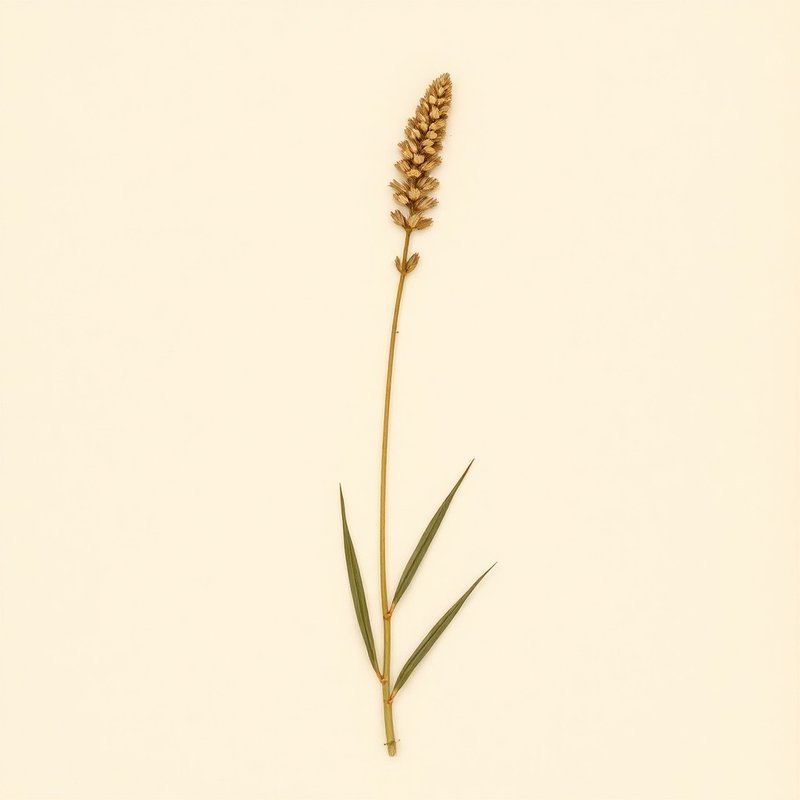
Eremurus robustus, commonly known as the robust desert candle, is a striking perennial from Central Asia, native to Kazakhstan, Kirgizstan, Tadzhikistan, and Uzbekistan. This plant thrives in full sun with soil that is light or sandy, making it well-suited for gardens where conditions are not overly wet. Known for its tall stature—reaching up to 3 meters—it features distinctive large, tubular flowers that resemble candles, hence the common name. The robust desert candle is both ornamental and edible; its roots can be used as a food source, adding versatility to this hardy plant with a growing range from USDA zones 5-9. The roots are often cooked or dried before consumption, though exact preparation methods may vary based on local customs and culinary practices. While the plant is not medicinal, its roots are edible and can provide a unique addition to dishes. This perennial is adaptable to dry to moist conditions and can grow up to 3 meters tall, making it a notable addition to gardens in its native range and beyond.
What is Eremurus robustus?
Eremurus robustus, commonly known as the robust desert candle, is a striking perennial from Central Asia, native to Kazakhstan, Kirgizstan, Tadzhikistan, and Uzbekistan. This plant thrives in full sun with soil that is light or sandy, making it well-suited for gardens where conditions are not overly wet.
VCultivation
Cultivation
How to grow Eremurus robustus for the first time
Start with Skip as a simple, low-maintenance perennial for your garden.
- 1
What you'll need
Skip bulbs, gardening gloves, trowel.
- 2
Best time to plant
Plant in early spring or late fall when the soil is workable.
- 3
Soil and container prep
Choose a well-draining spot with sandy or medium soil. Amend with compost if needed.
- 4
Sowing or transplanting
Plant bulbs 15-20 cm deep, spaced about 30 cm apart in full sun.
- 5
First two weeks
Water sparingly to avoid rotting the bulb. Keep soil slightly moist but not soggy.
- 6
Ongoing care
Water only during dry spells after the plant is established. Fertilize once a year in spring with compost.
- 7
Harvest or pruning
Prune dead foliage to maintain appearance, but avoid cutting into the bulb cluster.
- 8
Common mistakes
Planting too deep, overwatering, neglecting to mulch, not providing enough sun, and using poor soil drainage.
VIEdible & utility
Edible & utility
VIIDistribution
4 native · 0 introduced
Distribution
4 native · 0 introducedIXSpecimen gallery
1 image
Specimen gallery
1 imageXSee also
8 related
See also
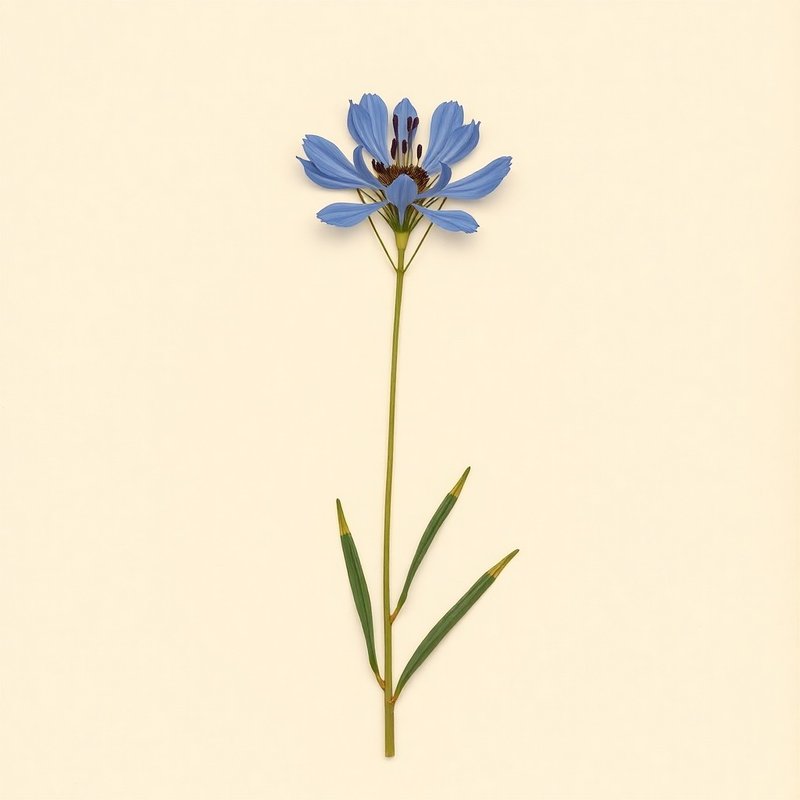
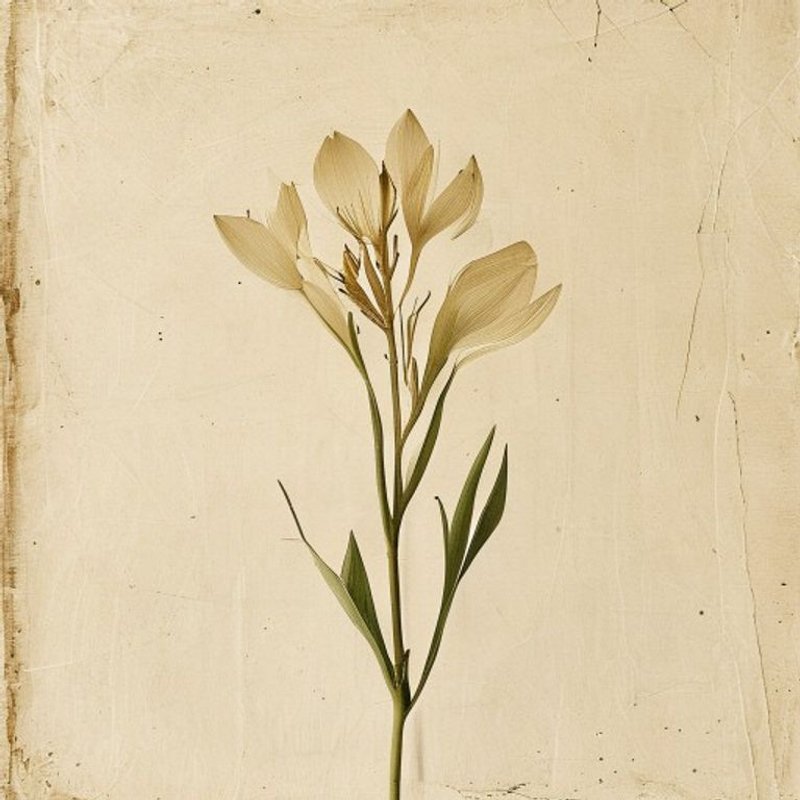
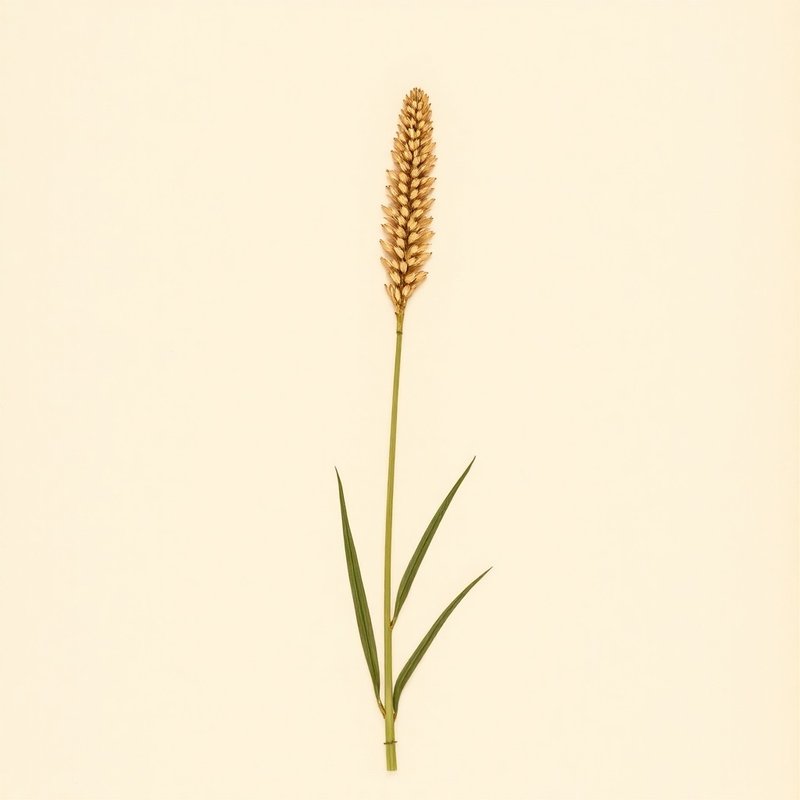
8 relatedPlants you might compare or use together — scored by shared family (Asparagaceae), common use cases, and growing requirements.

Explore further
About this entry
- Last updated
- Citation
- How to cite this entry · Submit a correction
Continue reading
Get archive updates
Occasional email when substantial new content lands — plant profiles, seasonal growing notes, folk-remedy additions. Free, no tracking, unsubscribe anytime.