
Eremurus spectabilis
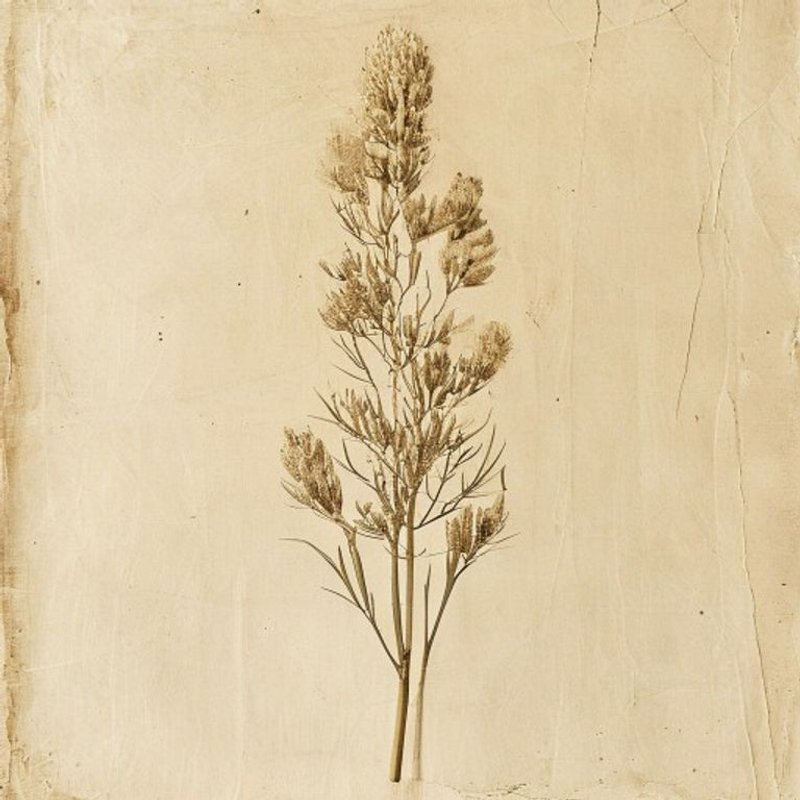
IOverview
Overview
Eremurus spectabilis, commonly known as the Giant Allium or Foxtail Lily, is a striking perennial native to regions including Iran, Iraq, Lebanon-Syria, North Caucasus, Palestine, South European Russia, Transcaucasus, Turkey, and Turkmenistan. This plant thrives in full sun and prefers well-draining soil that can be light (sandy) or medium, making it adaptable to various growing conditions. It is hardy in zones 5-9 and can grow to a height of about 1 meter, adding a dramatic presence to gardens and landscapes. While primarily known for its ornamental value, Eremurus spectabilis also offers edible parts such as leaves and shoots, making it a versatile addition to gardens and culinary uses. However, it is important to handle the plant with care, as some parts may be mildly toxic and should not be consumed without proper identification and preparation. This plant is also useful for its adhesive and gum properties, making it a valuable resource in certain applications.
What is Eremurus spectabilis?
Eremurus spectabilis, commonly known as the Giant Allium or Foxtail Lily, is a striking perennial native to regions including Iran, Iraq, Lebanon-Syria, North Caucasus, Palestine, South European Russia, Transcaucasus, Turkey, and Turkmenistan.
VCultivation
Cultivation
How to grow Eremurus spectabilis for the first time
Start with Eremurus spectabilis as a simple, low-maintenance perennial for your garden.
- 1
What you'll need
A packet of Eremurus spectabilis bulbs and good quality potting soil.
- 2
Best time to plant
Plant in late summer or early fall for best results.
- 3
Soil and container prep
Use a well-draining mix with sand added if necessary. Ensure containers have drainage holes.
- 4
Sowing or transplanting
Plant bulbs 10-15 cm deep, pointed end up, in groups for a natural look.
- 5
First two weeks
Water sparingly to avoid rotting the bulbs. Keep them cool and dry until sprouts appear.
- 6
Ongoing care
Provide full sun exposure and water only when soil is very dry. Fertilize lightly in spring.
- 7
Harvest or pruning
Prune dead foliage after flowering to maintain plant health, but avoid cutting into the bulb.
- 8
Common mistakes
Overwatering, planting too deep, and not providing enough sunlight are common issues.
VIEdible & utility
Edible & utility
VIIDistribution
10 native · 0 introduced
Distribution
10 native · 0 introducedIXSpecimen gallery
1 image
Specimen gallery
1 imageExplore further
About this entry
- Last updated
- Citation
- How to cite this entry · Submit a correction
Continue reading
Get archive updates
Occasional email when substantial new content lands — plant profiles, seasonal growing notes, folk-remedy additions. Free, no tracking, unsubscribe anytime.