
Heath Goldenrod
IOverview
Overview
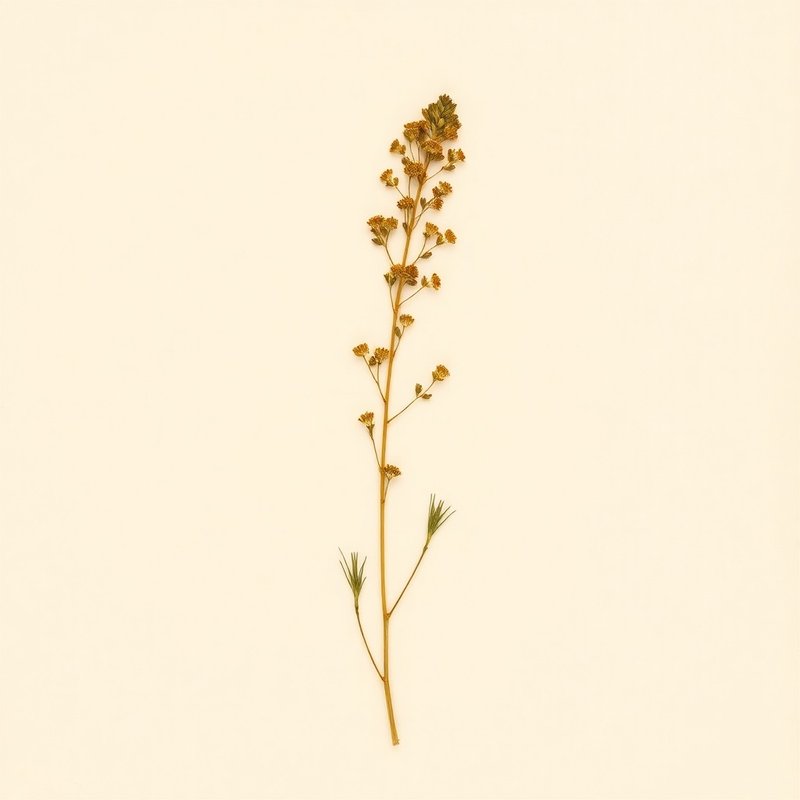
Heath Goldenrod (Ericameria parishii) is a shrub native to the coastal regions of California and the Northwest region of Mexico. This plant thrives in environments that receive full sun or partial shade and prefers soil that is light (sandy), medium, or heavy (clay), making it adaptable to various growing conditions. Growing to a height of approximately 1 meter, Heath Goldenrod is hardy in zones 8-11. While primarily appreciated for its ornamental value, it also offers edible benefits, as its seeds can be eaten raw or lightly toasted, adding a mild, nutty flavor to snacks and dishes. Its adaptability to different soil types and its presence in both sunny and partially shaded areas of its native habitats make it a versatile addition to gardens and landscapes.
What is Heath Goldenrod?
Heath Goldenrod (Ericameria parishii) is a shrub native to the coastal regions of California and the Northwest region of Mexico. This plant thrives in environments that receive full sun or partial shade and prefers soil that is light (sandy), medium, or heavy (clay), making it adaptable to various growing conditions.
VCultivation
Cultivation
How to grow Heath Goldenrod for the first time
Start with Heath Goldenrod as a simple, low-maintenance shrub for your garden.
- 1
What you'll need
Seeds or small plants, gardening gloves, trowel.
- 2
Best time to plant
Plant in spring after the last frost or fall before the first freeze.
- 3
Soil and container prep
Use well-draining soil with a mix of light (sandy), medium, or heavy clay. Ensure containers have drainage holes.
- 4
Sowing or transplanting
Direct sow seeds in the ground after danger of frost is past. For transplants, choose healthy young plants from a nursery.
- 5
First two weeks
Water regularly to keep soil moist but not waterlogged. Monitor for pests and diseases.
- 6
Ongoing care
Provide full sun to partial shade. Water when the top inch of soil feels dry. Prune lightly in late winter to maintain shape.
- 7
Harvest or pruning
Prune in late winter to encourage new growth and remove any dead or damaged branches.
- 8
Common mistakes
Overwatering, planting in poorly drained soil, neglecting to prune, not providing enough sunlight.
VIEdible & utility
Edible & utility
VIIDistribution
2 native · 0 introduced
Distribution
2 native · 0 introducedIXSpecimen gallery
1 image
Specimen gallery
1 imageExplore further
About this entry
- Last updated
- Citation
- How to cite this entry · Submit a correction
Continue reading
Get archive updates
Occasional email when substantial new content lands — plant profiles, seasonal growing notes, folk-remedy additions. Free, no tracking, unsubscribe anytime.