
Musk Storksbill
Erodium moschatum
Educational content — not medical, botanical, or professional advice. Plant identification, safety, and edibility depend on local conditions, cultivars, and correct identification. Consult a qualified botanist or forager before consuming or handling wild specimens. How we source & review →
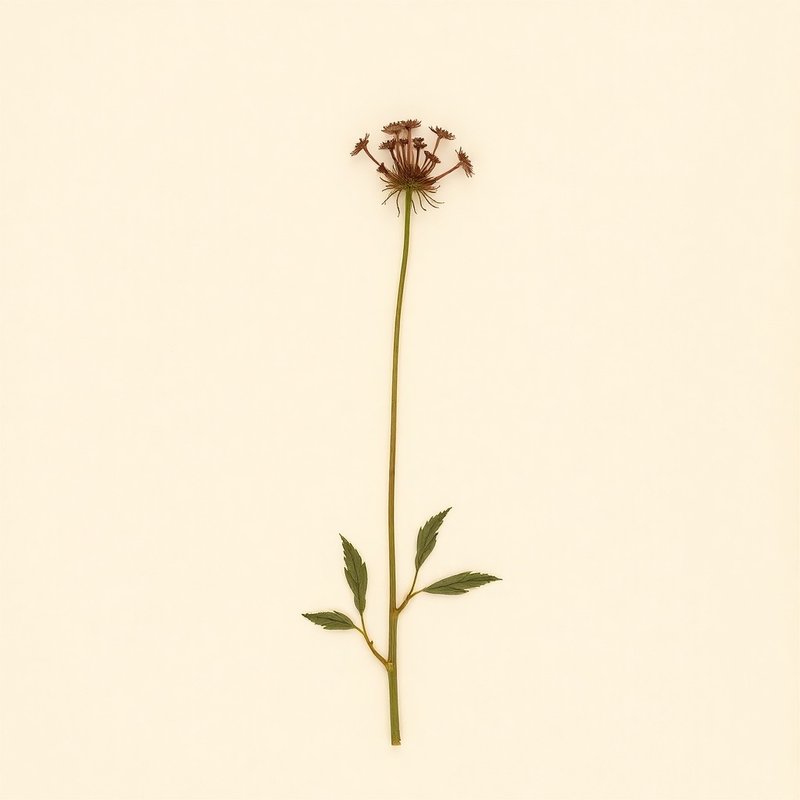
Pl. DE67 — Erodium moschatum
Erodium moschatumErodium moschatumErodium moschatumErodium moschatumErodium moschatumErodium moschatumErodium moschatumErodium moschatumErodium moschatumErodium moschatumErodium moschatumErodium moschatumErodium moschatumErodium moschatum
IOverview
Overview
Musk Storksbill (Erodium moschatum) is a light-loving annual or biennial herb native to the Mediterranean and Middle East regions, including Albania, Algeria, and various islands such as the Azores, Canary Islands, and Corsica. Known for its edible leaves, this plant thrives in well-drained soils with a pH between 5.5 and 6.5, making it suitable for gardens where the soil is light (sandy) or medium. Its distinctive feature lies in its habitat, which spans from Egypt to Turkey, including diverse areas like Greece, Italy, and Spain. The plant's adaptability to various climates and its culinary use make it a noteworthy addition to botanical collections and edible landscaping projects.
Quick answers
What is Musk Storksbill?
Musk Storksbill (Erodium moschatum) is a light-loving annual or biennial herb native to the Mediterranean and Middle East regions, including Albania, Algeria, and various islands such as the Azores, Canary Islands, and Corsica. Known for its edible leaves, this plant thrives in well-drained soils with a pH between 5.
Growingconditions · propagation · uses
VCultivation
Cultivation
Musk Storksbill thrives in light to medium soil with a pH between 5.5 and 6.5. It prefers dry to moist conditions and grows best in full sun or partial shade. The plant is hardy in temperate regions (zones 5-9) and can be propagated by seed. Harvest the edible leaves for culinary use. Skip specific product recommendations, as they are not provided.
Light
8/10
Water
Dry, Moist
Soil
Light (sandy), Medium
Hardiness
5-9
Life cycle
Annual, Biennial
Habit
Forb/herb
Mature size
0.5 m tall
Soil pH
5.5–6.5
Seasonal calendar
Northern hemisphere · UTC month is September
winterspringsummerautumnwinter
BloomJFMAMJJASOND
For first-time growers
How to grow Musk Storksbill for the first time
7steps
Start with Musk Storksbill as an easy-to-grow herb for beginners.
- 1
What you'll need
Seeds or young plants, a small trowel, and a container or garden bed.
- 2
Best time to plant
Plant in spring after the last frost or in fall for cooler climates.
- 3
Soil and container prep
Ensure soil is well-draining with a pH between 5.5 and 6.5, and prepare containers with light to medium soil.
- 4
Sowing or transplanting
Direct sow seeds in the garden or start them indoors about 4-6 weeks before planting outside.
- 5
First two weeks
Water regularly to keep the soil moist but not waterlogged, and protect from strong winds.
- 6
Ongoing care
Provide light watering when the top inch of soil feels dry. Deadhead flowers to encourage more blooms.
- 7
Harvest or pruning
Prune back after flowering to maintain a neat appearance and promote new growth.
VIEdible & utility
Edible & utility
Edible parts:Leaves
Edible uses: The Musk Storksbill's leaves are edible and can be eaten raw or cooked. They are typically prepared in salads for a mild, slightly bitter taste or added to soups and stews for flavoring. The plant thrives in soil with a pH of 5.5–6.5, making it suitable for gardens with similar conditions.
Other uses:DyeFragrance
Contextrange · companions · related
VIIDistribution
30 native · 0 introduced
Distribution
30 native · 0 introducedDistribution across3 continents· 30 native
Europe8 regions
native (8)AlbaniaCyprusFranceGreeceItalyNetherlandsPortugalSpain
Asia4 regions
native (4)IranIraqPalestineSaudi Arabia
Africa7 regions
native (7)AlgeriaEgyptEritreaEthiopiaLibyaMoroccoTunisia
Broader regions
native:Sinai, East Aegean Is., Kriti, Lebanon-Syria
IXSpecimen gallery
1 image
Specimen gallery
1 imageXI
Explore further
Companion planting
Growing zone
XII
About this entry
- Last updated
- Citation
- How to cite this entry · Submit a correction
Back to the cataloguePlant id · de67a0b9-3154-492f-9ae8-581f37f107e0
Decision aid
Choosing between Musk Storksbill and something else?
Continue reading
❦❦❦❦
Endpaper · archive updates
Get archive updates
Occasional email when substantial new content lands — plant profiles, seasonal growing notes, folk-remedy additions. Free, no tracking, unsubscribe anytime.