
Prairie Trout Lily
Erythronium albidum mesochoreum
Educational content — not medical, botanical, or professional advice. Plant identification, safety, and edibility depend on local conditions, cultivars, and correct identification. Consult a qualified botanist or forager before consuming or handling wild specimens. How we source & review →
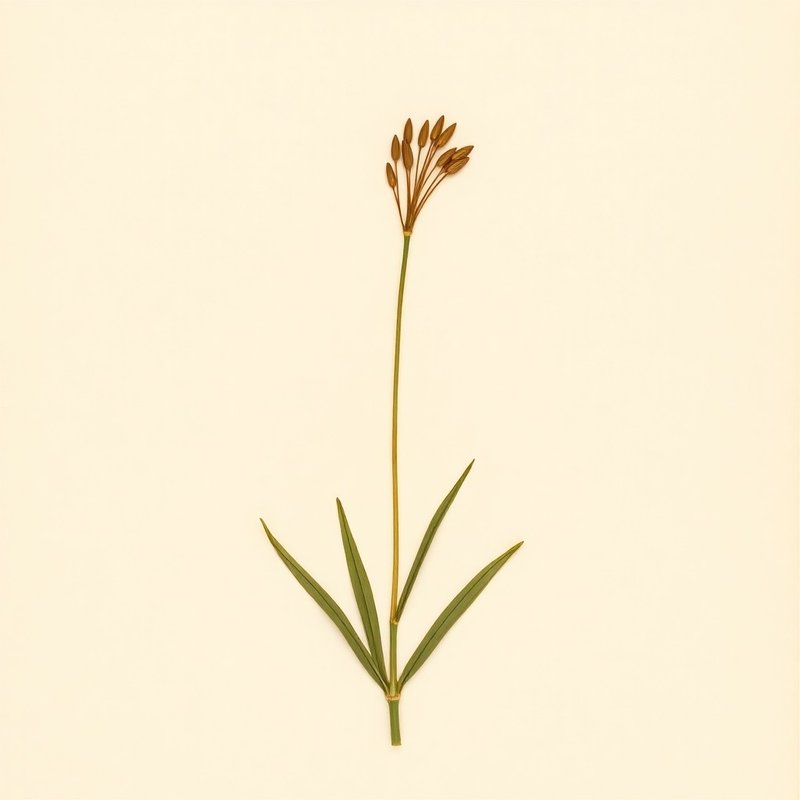
Pl. B0A1 — Erythronium albidum mesochoreum
Erythronium albidum mesochoreumErythronium albidum mesochoreumErythronium albidum mesochoreumErythronium albidum mesochoreumErythronium albidum mesochoreumErythronium albidum mesochoreumErythronium albidum mesochoreumErythronium albidum mesochoreumErythronium albidum mesochoreumErythronium albidum mesochoreumErythronium albidum mesochoreumErythronium albidum mesochoreumErythronium albidum mesochoreumErythronium albidum mesochoreum
IOverview
Overview
Prairie Trout Lily (Erythronium albidum mesochoreum) is a light-loving, moisture-tolerant herb that thrives in partial sun to shade conditions. Native to the central United States, it can be found growing in moist, sandy or medium soil across regions such as Arkansas, Illinois, Iowa, Kansas, Missouri, Nebraska, Oklahoma, and Texas. This plant is known for its edible root, which can be harvested for culinary use. One distinctive feature of the prairie trout lily is its mottled, trout-like leaves that emerge in early spring, providing a unique ornamental value to gardens and natural landscapes.
Quick answers
What is Prairie Trout Lily?
Prairie Trout Lily (Erythronium albidum mesochoreum) is a light-loving, moisture-tolerant herb that thrives in partial sun to shade conditions.
Growingconditions · propagation · uses
VCultivation
Cultivation
Prairie Trout Lily thrives in partial sun to shade and prefers moist soil that is light (sandy) or medium. It is hardy in zones 4-8 and grows to about 0.1 meters tall. For best results, plant the bulbs in well-draining soil and keep them consistently moist. Propagation can be done through bulb division or by seed. The edible parts are the roots, which can be harvested carefully after the plant has flowered.
Light
Partial sun/shade
Water
Moist
Soil
Light (sandy), Medium
Hardiness
4-8
Habit
Forb/herb
Mature size
0.1 m tall
For first-time growers
How to grow Prairie Trout Lily for the first time
8steps
Start with planting Prairie Trout Lilies in a partially shaded area with moist, light soil for your first gardening experience.
- 1
What you'll need
Prairie Trout Lily bulbs or seedlings, garden gloves, trowel.
- 2
Best time to plant
Plant in early spring before new growth emerges or in late summer after the heat has passed.
- 3
Soil and container prep
Ensure soil is well-draining but moist; mix in some compost if needed. For containers, use a pot with drainage holes filled with light to medium soil.
- 4
Sowing or transplanting
Plant bulbs 2-3 inches deep and about twice their width apart. For seedlings, space them 6-8 inches apart.
- 5
First two weeks
Keep the area moist but not waterlogged. Avoid direct sunlight during this period to prevent leaf burn.
- 6
Ongoing care
Water regularly when soil feels dry and mulch around plants to retain moisture. Fertilize sparingly with a balanced fertilizer in early spring.
- 7
Harvest or pruning
No need for harvesting; focus on maintaining the plant's health by removing dead leaves and spent flowers.
- 8
Common mistakes
Planting too deep, overwatering, exposing to full sun, neglecting mulching, not providing enough drainage.
VIEdible & utility
Edible & utility
Edible parts:Root
Edible uses: The roots of the Prairie Trout Lily (Erythronium albidum mesochoreum) are edible and can be dug up in early spring or fall. They are typically prepared by boiling or roasting before consumption. SKIP
Contextrange · companions · related
VIIDistribution
8 native · 0 introduced
Distribution
8 native · 0 introducedDistribution across0 continents· 8 native
Broader regions
native:Illinois, Iowa, Arkansas, Kansas, Missouri, Nebraska, Oklahoma, Texas
IXSpecimen gallery
1 image
Specimen gallery
1 imageXI
Explore further
Companion planting
Growing zone
XII
About this entry
- Last updated
- Citation
- How to cite this entry · Submit a correction
Back to the cataloguePlant id · b0a1c620-ef86-423a-9e86-7e5852b0571e
Decision aid
Choosing between Prairie Trout Lily and something else?
Continue reading
❦❦❦❦
Endpaper · archive updates
Get archive updates
Occasional email when substantial new content lands — plant profiles, seasonal growing notes, folk-remedy additions. Free, no tracking, unsubscribe anytime.