
Pale Fawn Lily
Erythronium citrinum
Educational content — not medical, botanical, or professional advice. Plant identification, safety, and edibility depend on local conditions, cultivars, and correct identification. Consult a qualified botanist or forager before consuming or handling wild specimens. How we source & review →
Garden journal pausedUse profile notes below
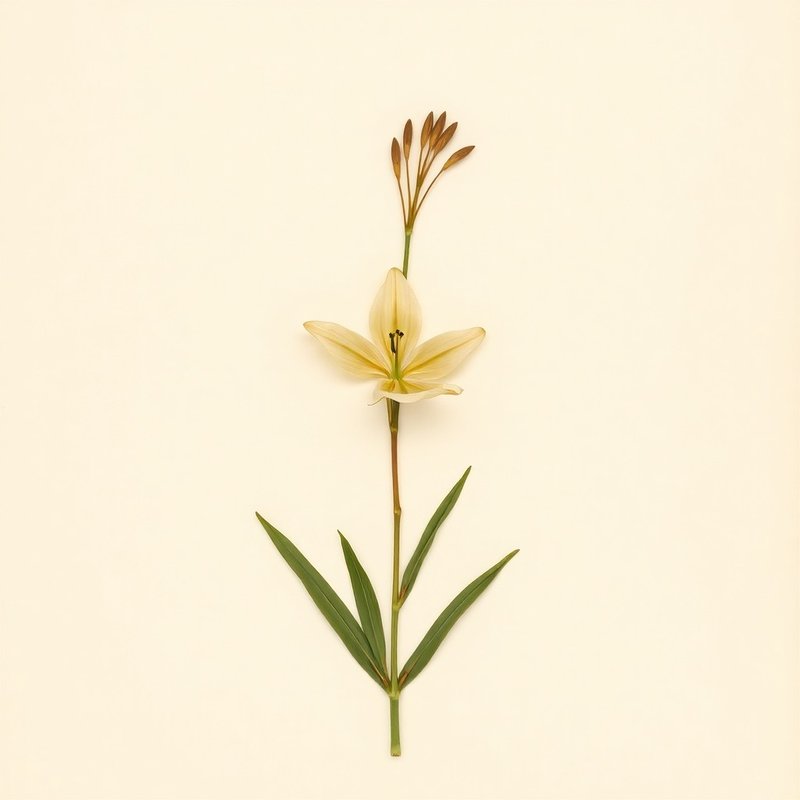
Pl. 7DAF — Erythronium citrinum
Erythronium citrinumErythronium citrinumErythronium citrinumErythronium citrinumErythronium citrinumErythronium citrinumErythronium citrinumErythronium citrinumErythronium citrinumErythronium citrinumErythronium citrinumErythronium citrinumErythronium citrinumErythronium citrinum
IOverview
Overview
Pale Fawn Lily (Erythronium citrinum) is a delicate herbaceous plant native to the forests of California and Oregon. This lily thrives in partial sun to shade and requires moist, light (sandy) to medium soil, making it an ideal addition to shaded gardens or naturalized areas in cooler climates. The plant typically grows to a height of 0.3 meters and is known for its pale yellow flowers, which resemble small fawn-colored lilies, hence the common name. The edible root of the Pale Fawn Lily can be harvested in the fall after the plant has gone dormant and can be eaten raw or cooked. It can also be dried for later use, adding a unique touch to wild edibles. Cultivation is straightforward, with the plant being hardy in temperate regions and capable of being propagated through root division or seed starting. Its light requirements and growing conditions make it an interesting and attractive addition to gardens and natural settings. While the plant is not known for medicinal uses, it is important to exercise caution when consuming any wild plants, as proper identification is crucial to avoid potential toxicity.
Quick answers
What is Pale Fawn Lily?
Pale Fawn Lily (Erythronium citrinum) is a delicate herbaceous plant native to the forests of California and Oregon. This lily thrives in partial sun to shade and requires moist, light (sandy) to medium soil, making it an ideal addition to shaded gardens or naturalized areas in cooler climates.
Growingconditions · propagation · uses
VCultivation
Cultivation
Pale Fawn Lily thrives in partial sun to shade, preferring moist conditions and light to medium soil. It is best suited for gardeners in temperate regions, as it is native to California and Oregon. For cultivation, ensure the soil is well-draining but retains moisture. Propagation can be done through division of the roots, which are edible. This plant grows to about 0.3 meters and is a hardy forb/herb.
Light
Partial sun/shade
Water
Moist
Soil
Light (sandy), Medium
Habit
Forb/herb
Mature size
0.3 m tall
For first-time growers
How to grow Pale Fawn Lily for the first time
7steps
Start with Pale Fawn Lily to gain experience in growing bulbs and perennials.
- 1
What you'll need
Pale Fawn Lily bulbs, a small trowel, mulch.
- 2
Best time to plant
Plant in early spring or late fall when the soil is cool and moist.
- 3
Soil and container prep
Use well-draining soil with plenty of organic matter. Ensure containers have drainage holes.
- 4
Sowing or transplanting
Plant bulbs 2-3 inches deep, spacing them about 4-6 inches apart in the garden or a pot.
- 5
First two weeks
Keep soil consistently moist. Avoid direct sunlight during this period.
- 6
Ongoing care
Water when the top inch of soil dries out, especially during dry spells. Mulch to retain moisture and suppress weeds.
- 7
Harvest or pruning
After flowering, cut back spent blooms but leave foliage intact for photosynthesis until it yellows naturally.
VIEdible & utility
Edible & utility
Edible parts:Root
Edible uses: The Pale Fawn Lily's root is edible and can be eaten raw or cooked. Typically, the roots are harvested in the fall after the plant has gone dormant. They can also be dried for later use.
Contextrange · companions · related
VIIDistribution
2 native · 0 introduced
Distribution
2 native · 0 introducedDistribution across0 continents· 2 native
Broader regions
native:California, Oregon
IXSpecimen gallery
1 image
Specimen gallery
1 imageXI
Explore further
Companion planting
Native to
XII
About this entry
- Last updated
- Citation
- How to cite this entry · Submit a correction
Back to the cataloguePlant id · 7dafee16-1f4e-4147-bf26-1e566bc59472
Decision aid
Choosing between Pale Fawn Lily and something else?
Continue reading
❦❦❦❦
Endpaper · archive updates
Get archive updates
Occasional email when substantial new content lands — plant profiles, seasonal growing notes, folk-remedy additions. Free, no tracking, unsubscribe anytime.
Newsletter returning soon.
We are rebuilding the update list around a lightweight editorial workflow. New dispatches will resume after the next content review cycle.