
Avalanche Lily
Erythronium grandiflorum
Educational content — not medical, botanical, or professional advice. Plant identification, safety, and edibility depend on local conditions, cultivars, and correct identification. Consult a qualified botanist or forager before consuming or handling wild specimens. How we source & review →
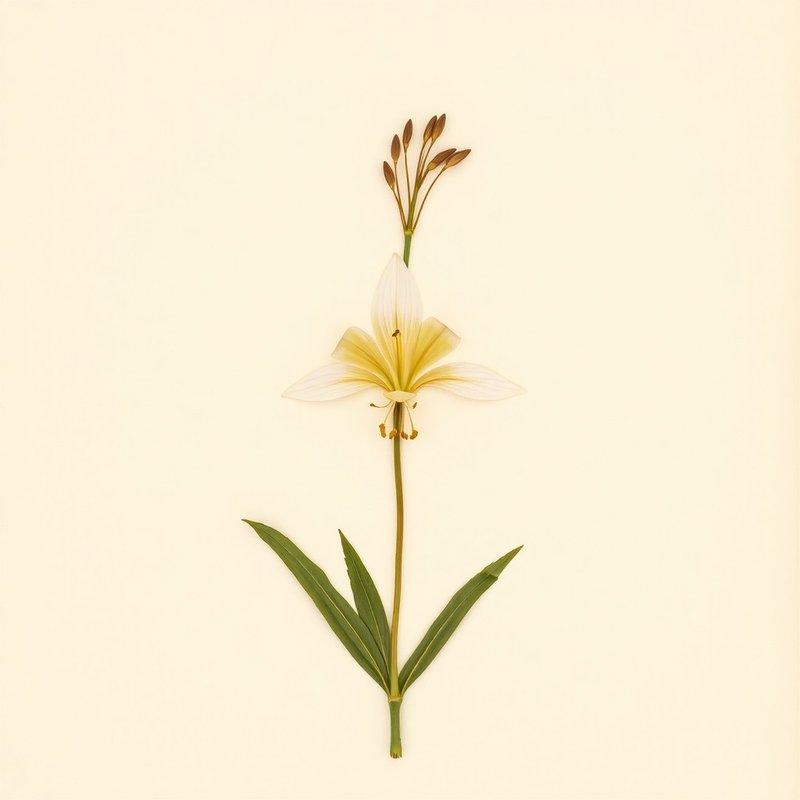
Pl. D88F — Erythronium grandiflorum
Erythronium grandiflorumErythronium grandiflorumErythronium grandiflorumErythronium grandiflorumErythronium grandiflorumErythronium grandiflorumErythronium grandiflorumErythronium grandiflorumErythronium grandiflorumErythronium grandiflorumErythronium grandiflorumErythronium grandiflorumErythronium grandiflorumErythronium grandiflorum
IOverview
Overview
The Avalanche Lily, scientifically known as Erythronium grandiflorum, is a delicate herbaceous plant native to the western United States and Canada, ranging from Alberta and British Columbia in the north to California and Utah in the south. This light-loving species thrives in partial sun or shade, preferring dry to moist conditions with well-draining soil that can be sandy or medium-textured. Hardy in zones 4-8, it grows to a height of about 0.2 meters and is distinguished by its large, showy white flowers with a touch of pink at the base. While primarily known for its ornamental value, the Avalanche Lily also offers edible benefits; both its leaves and root can be consumed, though care should be taken as all parts are toxic if ingested in large quantities.
Quick answers
What is Avalanche Lily?
The Avalanche Lily, scientifically known as Erythronium grandiflorum, is a delicate herbaceous plant native to the western United States and Canada, ranging from Alberta and British Columbia in the north to California and Utah in the south.
Growingconditions · propagation · uses
VCultivation
Cultivation
Avalanche Lily thrives in partial sun to shade and prefers moist to dry conditions with light (sandy) or medium soil. It is hardy in zones 4-8 and grows up to 20 cm tall. Propagate through seedpods for new plants, ensuring the soil remains consistently moist during germination but allowing it to dry slightly between waterings once established. The plant is native to regions including Alberta, British Columbia, California, Colorado, Idaho, Montana, New Mexico, Oregon, and Wyoming, making it adaptable in temperate climates. Leaves, roots, and seedpods are edible parts of the plant.
Light
Partial sun/shade
Water
Dry, Moist
Soil
Light (sandy), Medium
Hardiness
4-8
Habit
Forb/herb
Mature size
0.2 m tall
For first-time growers
How to grow Avalanche Lily for the first time
8steps
Start with Avalanche Lilies to gain confidence in your gardening skills.
- 1
What you'll need
Avalanche Lily bulbs, a small trowel, and mulch.
- 2
Best time to plant
Plant in early spring or late fall when the soil is cool.
- 3
Soil and container prep
Choose a spot with partial sun to shade. Ensure the soil is well-draining, light, and slightly acidic.
- 4
Sowing or transplanting
Plant bulbs 2-3 inches deep and about twice their width apart in the prepared soil.
- 5
First two weeks
Keep the area moist but not waterlogged. Avoid direct sunlight during this period.
- 6
Ongoing care
Water sparingly, especially after leaves emerge. Mulch around the plants to retain moisture and suppress weeds.
- 7
Harvest or pruning
After flowering, allow the foliage to yellow naturally before removing it. Prune dead leaves but keep some for photosynthesis.
- 8
Common mistakes
Planting in full sun, overwatering, and neglecting mulch application.
VIEdible & utility
Edible & utility
Edible parts:LeavesRootSeedpod
Edible uses: The Avalanche Lily's leaves and roots are edible. The leaves can be eaten raw or cooked, while the roots are typically dug up and dried before use in soups or stews. Skip the seedpods as they are not commonly consumed.
Contextrange · companions · related
VIIDistribution
11 native · 0 introduced
Distribution
11 native · 0 introducedDistribution across0 continents· 11 native
Broader regions
native:British Columbia, California, Colorado, Idaho, Montana, New Mexico, Oregon, Utah, Washington, Wyoming, Alberta
IXSpecimen gallery
1 image
Specimen gallery
1 imageXI
Explore further
Companion planting
Growing zone
XII
About this entry
- Last updated
- Citation
- How to cite this entry · Submit a correction
Back to the cataloguePlant id · d88f5ac6-e35a-41e5-b254-a9c059a33535
Decision aid
Choosing between Avalanche Lily and something else?
Continue reading
❦❦❦❦
Endpaper · archive updates
Get archive updates
Occasional email when substantial new content lands — plant profiles, seasonal growing notes, folk-remedy additions. Free, no tracking, unsubscribe anytime.