
Henderson's Fawn Lily
Erythronium hendersonii
Educational content — not medical, botanical, or professional advice. Plant identification, safety, and edibility depend on local conditions, cultivars, and correct identification. Consult a qualified botanist or forager before consuming or handling wild specimens. How we source & review →
Garden journal pausedUse profile notes below
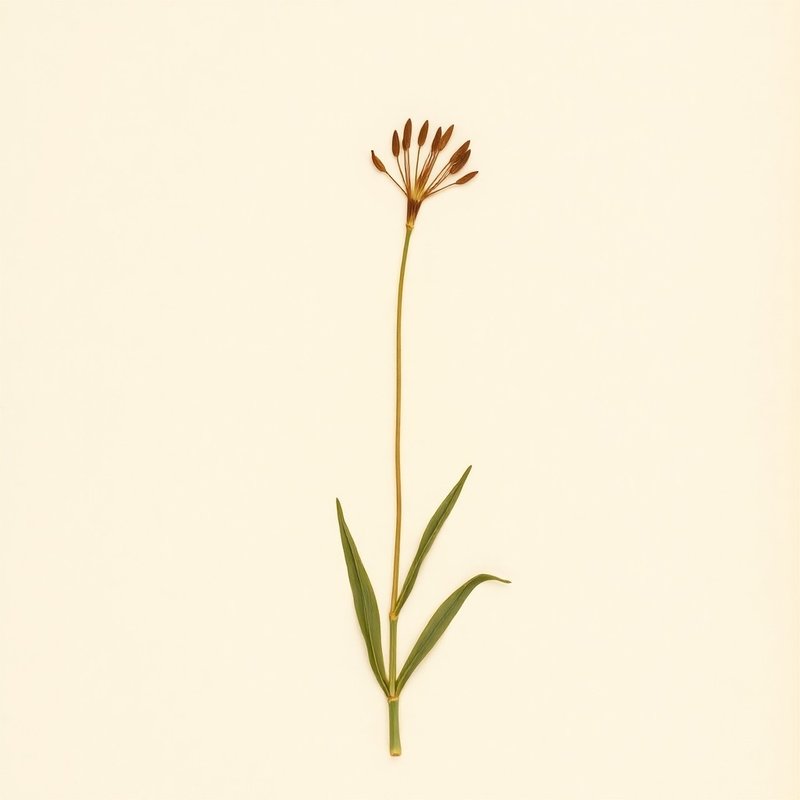
Pl. 5713 — Erythronium hendersonii
Erythronium hendersoniiErythronium hendersoniiErythronium hendersoniiErythronium hendersoniiErythronium hendersoniiErythronium hendersoniiErythronium hendersoniiErythronium hendersoniiErythronium hendersoniiErythronium hendersoniiErythronium hendersoniiErythronium hendersoniiErythronium hendersoniiErythronium hendersonii
IOverview
Overview
Henderson's Fawn Lily, scientifically known as Erythronium hendersonii, is a delicate herbaceous plant native to the forests of California and Oregon. This member of the Liliaceae family thrives in partial sun to shade, requiring moist, light (sandy) to medium soil. Standing at about 0.3 meters tall, it is easily distinguished by its nodding white flowers, often spotted with brown or purple. The plant's edible root, which can be harvested and prepared in various ways, makes Henderson's Fawn Lily not only an ornamental addition to gardens but also a valuable source of food in its native range. While the root is safe to consume, it is recommended to harvest it carefully to ensure the plant's continued growth and health. This plant is well-suited for temperate regions and can be propagated through division of the bulbs. For best results, keep the soil consistently moist and provide a cool, partially shaded environment.
Quick answers
What is Henderson's Fawn Lily?
Henderson's Fawn Lily, scientifically known as Erythronium hendersonii, is a delicate herbaceous plant native to the forests of California and Oregon. This member of the Liliaceae family thrives in partial sun to shade, requiring moist, light (sandy) to medium soil.
Growingconditions · propagation · uses
VCultivation
Cultivation
Henderson's Fawn Lily thrives in partial sun to shade, requiring moist, well-drained soil that is light (sandy) to medium in texture. This forb/herb reaches a height of about 0.3 meters and is native to California and Oregon. For best results, keep the soil consistently moist and provide a cool, partially shaded environment. The plant is hardy in temperate regions and can be propagated through division of the bulbs. Harvest the edible root parts carefully, ensuring the plant's health for future growth.
Light
Partial sun/shade
Water
Moist
Soil
Light (sandy), Medium
Habit
Forb/herb
Mature size
0.3 m tall
For first-time growers
How to grow Henderson's Fawn Lily for the first time
8steps
Start with Henderson's Fawn Lily to add a touch of wild beauty to your garden, focusing on basic care.
- 1
What you'll need
Henderson's Fawn Lily bulbs or seedlings, well-draining soil, and a container if planting in pots.
- 2
Best time to plant
Plant in early spring before new growth emerges or in fall after the heat of summer has passed.
- 3
Soil and container prep
Ensure the soil is light (sandy) to medium, with good drainage. Containers should have holes for proper aeration.
- 4
Sowing or transplanting
Plant bulbs 2-3 inches deep and about twice their width apart. For seedlings, space them evenly in the garden or container.
- 5
First two weeks
Keep the soil moist but not waterlogged during this critical period to encourage root growth.
- 6
Ongoing care
Provide partial sun/shade and keep the soil consistently moist. Fertilize sparingly with compost if needed.
- 7
Harvest or pruning
No harvesting is necessary for beginners; focus on allowing the plant to grow and flower naturally.
- 8
Common mistakes
Overwatering, planting in heavy soil, and not providing enough shade are common pitfalls to avoid.
VIEdible & utility
Edible & utility
Edible parts:Root
Edible uses: The root of Henderson's Fawn Lily (Erythronium hendersonii) is edible and can be prepared in various ways. It is typically harvested and either cooked or dried before consumption.
Contextrange · companions · related
VIIDistribution
2 native · 0 introduced
Distribution
2 native · 0 introducedDistribution across0 continents· 2 native
Broader regions
native:California, Oregon
IXSpecimen gallery
1 image
Specimen gallery
1 imageXI
Explore further
Companion planting
Native to
XII
About this entry
- Last updated
- Citation
- How to cite this entry · Submit a correction
Back to the cataloguePlant id · 57139199-679b-4699-9faf-420f9b5380cf
Decision aid
Choosing between Henderson's Fawn Lily and something else?
Continue reading
❦❦❦❦
Endpaper · archive updates
Get archive updates
Occasional email when substantial new content lands — plant profiles, seasonal growing notes, folk-remedy additions. Free, no tracking, unsubscribe anytime.
Newsletter returning soon.
We are rebuilding the update list around a lightweight editorial workflow. New dispatches will resume after the next content review cycle.