
Giant White Fawnlily
Erythronium oregonum
Educational content — not medical, botanical, or professional advice. Plant identification, safety, and edibility depend on local conditions, cultivars, and correct identification. Consult a qualified botanist or forager before consuming or handling wild specimens. How we source & review →
Garden journal pausedUse profile notes below
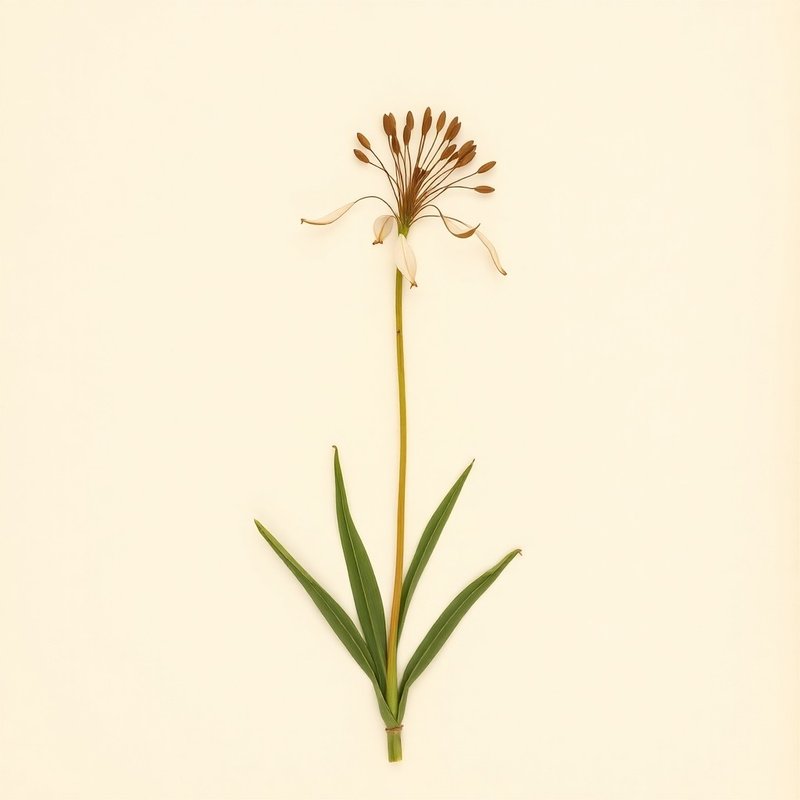
Pl. 45A0 — Erythronium oregonum
Erythronium oregonumErythronium oregonumErythronium oregonumErythronium oregonumErythronium oregonumErythronium oregonumErythronium oregonumErythronium oregonumErythronium oregonumErythronium oregonumErythronium oregonumErythronium oregonumErythronium oregonumErythronium oregonum
IOverview
Overview
The Giant White Fawnlily (Erythronium oregonum) is a herbaceous perennial in the lily family, Liliaceae, with a forb or herb growth form rather than a woody structure. It is native to the Pacific Northwest, with a range that runs from British Columbia south through Washington and Oregon into California. In the wild it grows as a woodland and forest floor plant, favoring moist sites and tolerating partial sun or shade, and it is not drought resistant. It is hardy in zones 4-8 and typically reaches about 0.5 meters in height. Its preferred soils are light, sandy, or medium-textured, provided they stay moist. The plant produces distinctive white flowers with a yellow cup at the base, a feature that makes it relatively easy to recognize where it occurs naturally. Beyond its ornamental interest, it is noted as an edible plant: the root is the edible part, recorded as usable either raw or cooked, and traditionally harvested in the fall after the leaves have withered. Reported preparation involves boiling or roasting to reduce a bitter taste, and peeling is sometimes skipped to keep the flavor milder. This is a database record of reported use rather than a recommendation. Because lilies can be confused with other plants and some relatives are toxic, any foraging should rely on confident identification and local guidance. The species is not listed here as medicinal.
Quick answers
What is Giant White Fawnlily?
The Giant White Fawnlily (Erythronium oregonum) is a herbaceous perennial in the lily family, Liliaceae, with a forb or herb growth form rather than a woody structure. It is native to the Pacific Northwest, with a range that runs from British Columbia south through Washington and Oregon into California.
Growingconditions · propagation · uses
VCultivation
Cultivation
Giant White Fawnlily, Erythronium oregonum, grows best in partial sun or shade. A light, sandy to medium soil that stays moist suits it well. It is hardy in zones 4 through 8, making it a good choice for temperate regions. This forb reaches about 0.5 m tall. The root is the edible part. Propagate it from its roots, though the data offers no further detail on timing or technique. Plant it where the ground does not dry out completely, and give it some shelter from harsh sun. Beyond these basics, the information provided says little else about its care.
Light
Partial sun/shade
Water
Moist
Soil
Light (sandy), Medium
Hardiness
4-8
Habit
Forb/herb
Mature size
0.5 m tall
For first-time growers
How to grow Giant White Fawnlily for the first time
8steps
Start with Giant White Fawnlily to add a touch of wild beauty to your garden.
- 1
What you'll need
Giant White Fawnlily bulbs, well-draining soil, mulch.
- 2
Best time to plant
Plant in early spring or late summer for best results.
- 3
Soil and container prep
Ensure the soil is light (sandy) to medium with good drainage. Amend as needed.
- 4
Sowing or transplanting
Plant bulbs 5-7 cm deep, spaced about 10-15 cm apart in partial shade.
- 5
First two weeks
Keep the soil moist but not waterlogged. Avoid direct sunlight during this period.
- 6
Ongoing care
Water when the top inch of soil dries out, especially if it's dry and sunny. Mulch to retain moisture.
- 7
Harvest or pruning
No need for harvesting; simply remove dead leaves after flowering.
- 8
Common mistakes
Planting in full sun, overwatering, using heavy soil, neglecting mulching, and not providing enough space between bulbs.
VIEdible & utility
Edible & utility
Edible parts:Root
Edible uses: The Giant White Fawnlily's root is edible and can be eaten raw or cooked. Typically, the root is harvested in the fall after the leaves have withered and prepared by boiling or roasting to remove any bitter taste. Skip the step of peeling before cooking if you prefer a milder flavor.
Contextrange · companions · related
VIIDistribution
4 native · 0 introduced
Distribution
4 native · 0 introducedDistribution across0 continents· 4 native
Broader regions
native:British Columbia, California, Oregon, Washington
IXSpecimen gallery
1 image
Specimen gallery
1 imageXI
Explore further
Companion planting
Growing zone
Native to
XII
About this entry
- Last updated
- Citation
- How to cite this entry · Submit a correction
Back to the cataloguePlant id · 45a06707-177f-49b2-92ab-08852c39cfbb
Decision aid
Choosing between Giant White Fawnlily and something else?
Continue reading
❦❦❦❦
Endpaper · archive updates
Get archive updates
Occasional email when substantial new content lands — plant profiles, seasonal growing notes, folk-remedy additions. Free, no tracking, unsubscribe anytime.
Newsletter returning soon.
We are rebuilding the update list around a lightweight editorial workflow. New dispatches will resume after the next content review cycle.