
Avelanche Lily
IOverview
Overview
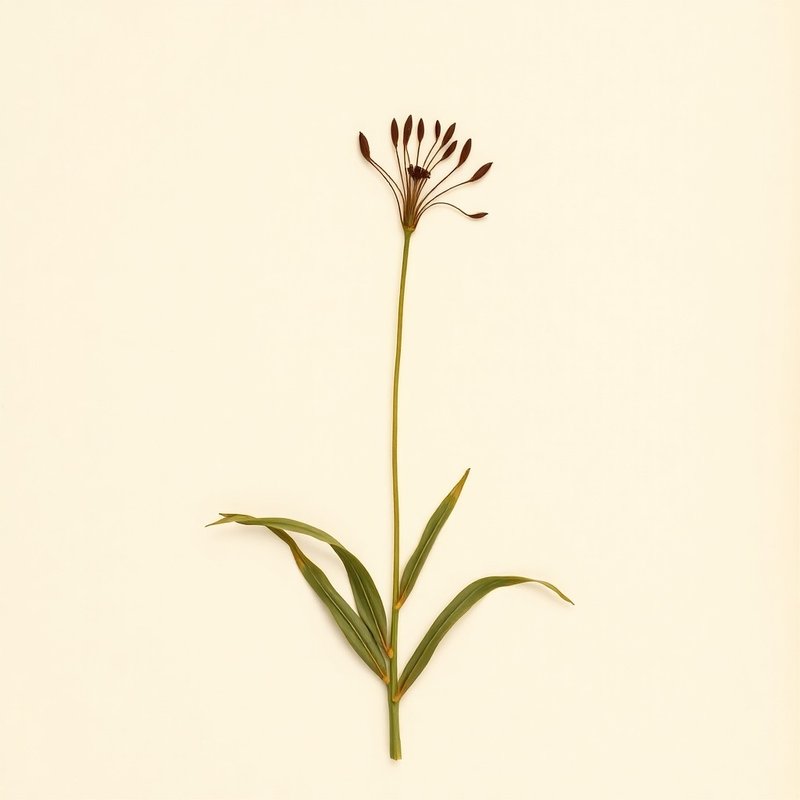
Avelanche Lily, scientifically known as Erythronium purpurascens, is a delicate herbaceous plant native to California. This member of the Liliaceae family thrives in partial sun and shade environments with moist, light (sandy) or medium soil. Standing at about 0.3 meters tall, it is easily recognizable by its distinctive pinkish-purple flowers that emerge from early spring through late summer. The edible parts of this plant are its roots, which have been traditionally used for culinary purposes. The roots can be dug up and prepared in various ways, either eaten raw or cooked to enhance their flavor and texture. Some may also dry the roots for later use. While the plant is not medicinal, it is important to exercise caution when foraging and ensure proper identification to avoid confusion with other, potentially toxic species.
What is Avelanche Lily?
Avelanche Lily, scientifically known as Erythronium purpurascens, is a delicate herbaceous plant native to California. This member of the Liliaceae family thrives in partial sun and shade environments with moist, light (sandy) or medium soil.
VCultivation
Cultivation
How to grow Avelanche Lily for the first time
Start with Avelanche Lily to gain confidence in your gardening skills.
- 1
What you'll need
Avelanche Lily bulbs, a small trowel, and mulch.
- 2
Best time to plant
Plant in early spring or late fall when the soil is cool.
- 3
Soil and container prep
Use well-draining soil with a mix of light sand and organic matter. Ensure containers have drainage holes.
- 4
Sowing or transplanting
Plant bulbs 2-3 inches deep, spacing them about 4-6 inches apart in the garden or container.
- 5
First two weeks
Keep soil moist but not waterlogged. Avoid direct sunlight during this period.
- 6
Ongoing care
Water when the top inch of soil dries out, especially if it's dry and sunny. Mulch to retain moisture.
- 7
Harvest or pruning
After flowering, allow foliage to yellow naturally before removing dead leaves. Do not harvest roots for eating.
VIEdible & utility
Edible & utility
VIIDistribution
1 native · 0 introduced
Distribution
1 native · 0 introducedIXSpecimen gallery
1 image
Specimen gallery
1 imageExplore further
About this entry
- Last updated
- Citation
- How to cite this entry · Submit a correction
Continue reading
Get archive updates
Occasional email when substantial new content lands — plant profiles, seasonal growing notes, folk-remedy additions. Free, no tracking, unsubscribe anytime.