
Tuolumne Fawn Lily
IOverview
Overview
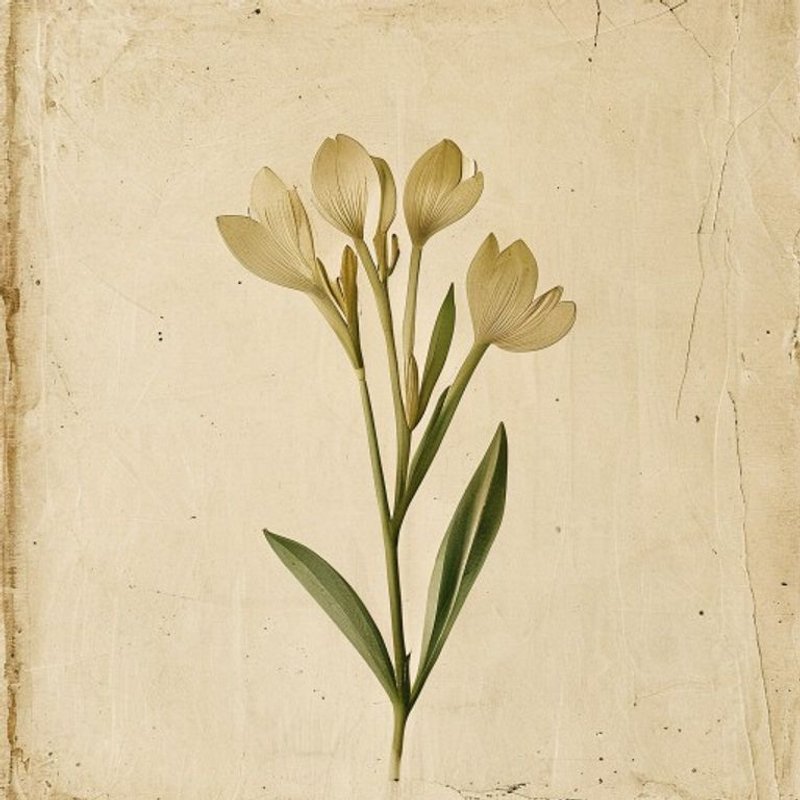
Tuolumne Fawn Lily (Erythronium tuolumnense) is a native California plant that thrives in partial sun to shade with moist conditions. This small herbaceous forb grows up to 0.3 meters tall and is known for its edible root, which can be harvested for culinary use. The plant's light requirements, soil preference for light to medium textures, and hardiness range of zones 4-9 make it well-suited for gardens in cooler climates. One distinctive feature of Tuolumne Fawn Lily is its delicate, nodding white flowers with a touch of pink that appear in early spring, adding ornamental value to the landscape. The root, which is typically dug up in early spring when it is tender and more palatable, can be eaten raw or cooked and can also be dried for later use. While the plant is not medicinal, its edible and ornamental qualities make it a valuable addition to native gardens and landscapes.
What is Tuolumne Fawn Lily?
Tuolumne Fawn Lily (Erythronium tuolumnense) is a native California plant that thrives in partial sun to shade with moist conditions. This small herbaceous forb grows up to 0.3 meters tall and is known for its edible root, which can be harvested for culinary use.
VCultivation
Cultivation
How to grow Tuolumne Fawn Lily for the first time
Start with Tuolumne Fawn Lily to gain experience in growing native California plants.
- 1
What you'll need
Tuolumne Fawn Lily bulbs, well-draining soil mix, a small trowel.
- 2
Best time to plant
Plant in early spring or late fall when the soil is cool and moist.
- 3
Soil and container prep
Use light, sandy soil with good drainage. Ensure containers have holes for water to escape.
- 4
Sowing or transplanting
Plant bulbs 2-3 inches deep and about twice their width apart in the garden or pot.
- 5
First two weeks
Keep the soil consistently moist but not soggy. Avoid direct sunlight during this period.
- 6
Ongoing care
Water when the top inch of soil feels dry, especially if it's hot and dry. Mulch to retain moisture.
- 7
Harvest or pruning
After flowering, allow leaves to yellow naturally before removing them to store energy for next year’s growth.
- 8
Common mistakes
Overwatering, planting in heavy soil, not providing enough shade, neglecting to mulch.
VIEdible & utility
Edible & utility
VIIDistribution
1 native · 0 introduced
Distribution
1 native · 0 introducedIXSpecimen gallery
1 image
Specimen gallery
1 imageExplore further
About this entry
- Last updated
- Citation
- How to cite this entry · Submit a correction
Continue reading
Get archive updates
Occasional email when substantial new content lands — plant profiles, seasonal growing notes, folk-remedy additions. Free, no tracking, unsubscribe anytime.