
Ordealtree
Erythrophleum ivorense
Educational content — not medical, botanical, or professional advice. Plant identification, safety, and edibility depend on local conditions, cultivars, and correct identification. Consult a qualified botanist or forager before consuming or handling wild specimens. How we source & review →
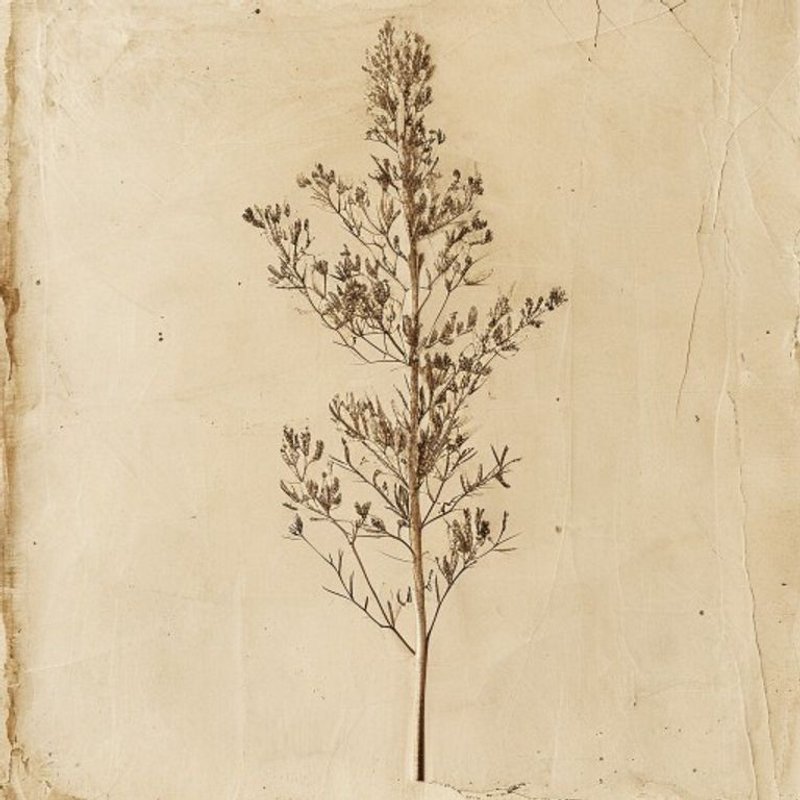
Pl. 36F8 — Erythrophleum ivorense
Erythrophleum ivorenseErythrophleum ivorenseErythrophleum ivorenseErythrophleum ivorenseErythrophleum ivorenseErythrophleum ivorenseErythrophleum ivorenseErythrophleum ivorenseErythrophleum ivorenseErythrophleum ivorenseErythrophleum ivorenseErythrophleum ivorenseErythrophleum ivorenseErythrophleum ivorense
IOverview
Overview
Ordealtree, Erythrophleum ivorense, is a large tree native to the tropical regions of West and Central Africa, including Cameroon, Central African Republic, Congo, Equatorial Guinea, Gabon, Ghana, Guinea, Guinea-Bissau, Ivory Coast, Liberia, Nigeria, and Sierra Leone. Known for its edible inner bark, this tree thrives in moist environments with light (sandy), medium, or heavy clay soils. It requires full sun to grow well and can reach heights of 30 meters. While primarily recognized for its use as a food source, Ordealtree also plays an important role in the local ecosystem and landscape.
Quick answers
What is Ordealtree?
Ordealtree, Erythrophleum ivorense, is a large tree native to the tropical regions of West and Central Africa, including Cameroon, Central African Republic, Congo, Equatorial Guinea, Gabon, Ghana, Guinea, Guinea-Bissau, Ivory Coast, Liberia, Nigeria, and Sierra Leone.
Growingconditions · propagation · uses
VCultivation
Cultivation
Ordealtree thrives in full sun and prefers moist soil that can be light (sandy), medium, or heavy (clay). It is hardy in zones 10-12 and grows to a height of 30 meters. For propagation, it can be grown from seeds or cuttings. The inner bark is edible.
Light
Full sun
Water
Moist
Soil
Light (sandy), Medium, Heavy (clay)
Hardiness
10-12
Mature size
30.0 m tall
For first-time growers
How to grow Ordealtree for the first time
8steps
Start with planting Ordealtree in a sunny spot and follow these simple steps for success.
- 1
What you'll need
Ordealtree seeds or young saplings, potting mix if container growing.
- 2
Best time to plant
Plant Ordealtree during the rainy season when moisture is abundant.
- 3
Soil and container prep
Use well-draining soil with a mix of light (sandy), medium, or heavy clay soils. Ensure containers have drainage holes.
- 4
Sowing or transplanting
Direct sow seeds in the ground or start young saplings in pots before transplanting to their final location.
- 5
First two weeks
Keep soil consistently moist and provide partial shade if direct sunlight is too intense.
- 6
Ongoing care
Water regularly, especially during dry spells. Fertilize lightly with compost every few months.
- 7
Harvest or pruning
Prune young trees to shape them and remove dead branches. Harvest inner bark for medicinal use when mature.
- 8
Common mistakes
Overwatering, planting in full sun, using poor drainage soil, neglecting regular pruning.
VIEdible & utility
Edible & utility
Edible parts:Inner bark
Edible uses: Drink
Other uses:Fire starterTanninLumberNitrogen fixer
Contextrange · companions · related
VIIDistribution
13 native · 0 introduced
Distribution
13 native · 0 introducedDistribution across1 continent· 13 native
Africa10 regions
native (10)CameroonCôte d'IvoireEquatorial GuineaGabonGhanaGuineaGuinea-BissauLiberiaNigeriaSierra Leone
Broader regions
native:Congo, Zaïre, Central African Repu
IXSpecimen gallery
1 image
Specimen gallery
1 imageXI
Explore further
Companion planting
Growing zone
XII
About this entry
- Last updated
- Citation
- How to cite this entry · Submit a correction
Back to the cataloguePlant id · 36f8e667-7b92-421c-8007-9943532bfb74
Decision aid
Choosing between Ordealtree and something else?
Continue reading
❦❦❦❦
Endpaper · archive updates
Get archive updates
Occasional email when substantial new content lands — plant profiles, seasonal growing notes, folk-remedy additions. Free, no tracking, unsubscribe anytime.