
Escallonia
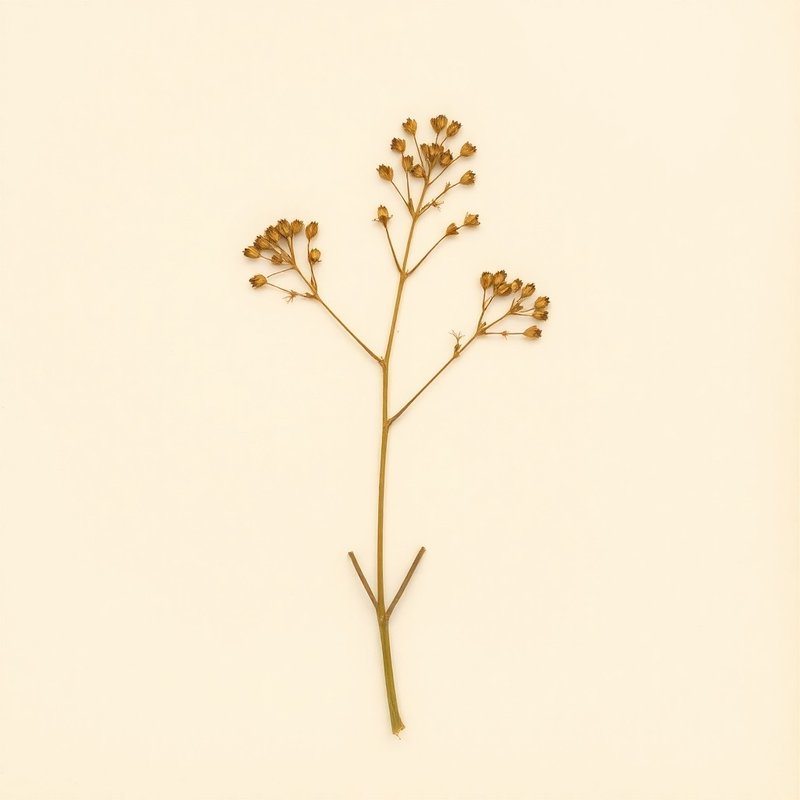
IOverview
Overview
Escallonia is a perennial shrub belonging to the family Escalloniaceae, native to the southern and southeastern regions of Brazil. Thriving in full sun with a preference for well-drained soils that range from light (sandy) to medium or heavy (clay), this plant can adapt to various soil types. Its hardiness zone ranges from 8 to 11, making it suitable for temperate climates. Escallonia is known for its attractive, fragrant flowers in shades of pink and white, often blooming in clusters, which attract insects and hummingbirds. This versatile shrub or vine can be used as a hedgerow, windbreak, or trellis in gardens, adding both beauty and functionality to outdoor spaces. While not edible or medicinal, its ornamental value makes it a popular choice for landscaping and garden design. Regular watering and proper soil conditions are essential for its growth and maintenance.
What is Escallonia?
Escallonia is a perennial shrub belonging to the family Escalloniaceae, native to the southern and southeastern regions of Brazil. Thriving in full sun with a preference for well-drained soils that range from light (sandy) to medium or heavy (clay), this plant can adapt to various soil types.
VCultivation
Cultivation
How to grow Escallonia for the first time
Start with planting Escallonia in a sunny spot, and follow these steps for success.
- 1
What you'll need
Escallonia plants or seeds, potting mix, garden tools.
- 2
Best time to plant
Plant in spring when the weather starts warming up.
- 3
Soil and container prep
Use well-draining soil. For containers, choose a pot with drainage holes.
- 4
Sowing or transplanting
Transplant young plants from nursery pots into your garden or larger containers.
- 5
First two weeks
Water regularly to help the plant establish itself. Keep it in a partially shaded area if possible.
- 6
Ongoing care
Escallonia prefers full sun but can tolerate some shade. Water when soil feels dry, and prune lightly to shape.
- 7
Harvest or pruning
Prune Escallonia in late winter or early spring to maintain its shape and encourage new growth.
- 8
Common mistakes
Overwatering, planting in heavy clay soil, not providing enough sunlight, neglecting regular pruning.
VIEdible & utility
Edible & utility
VIIDistribution
2 native · 0 introduced
Distribution
2 native · 0 introducedIXSpecimen gallery
1 image
Specimen gallery
1 imageExplore further
About this entry
- Last updated
- Citation
- How to cite this entry · Submit a correction
Continue reading
Get archive updates
Occasional email when substantial new content lands — plant profiles, seasonal growing notes, folk-remedy additions. Free, no tracking, unsubscribe anytime.