
Grey Gum
Eucalyptus punctata
Educational content — not medical, botanical, or professional advice. Always consult a qualified clinician before using any herbal preparation — especially during pregnancy, breastfeeding, while on medication, or for children. How we source & review →
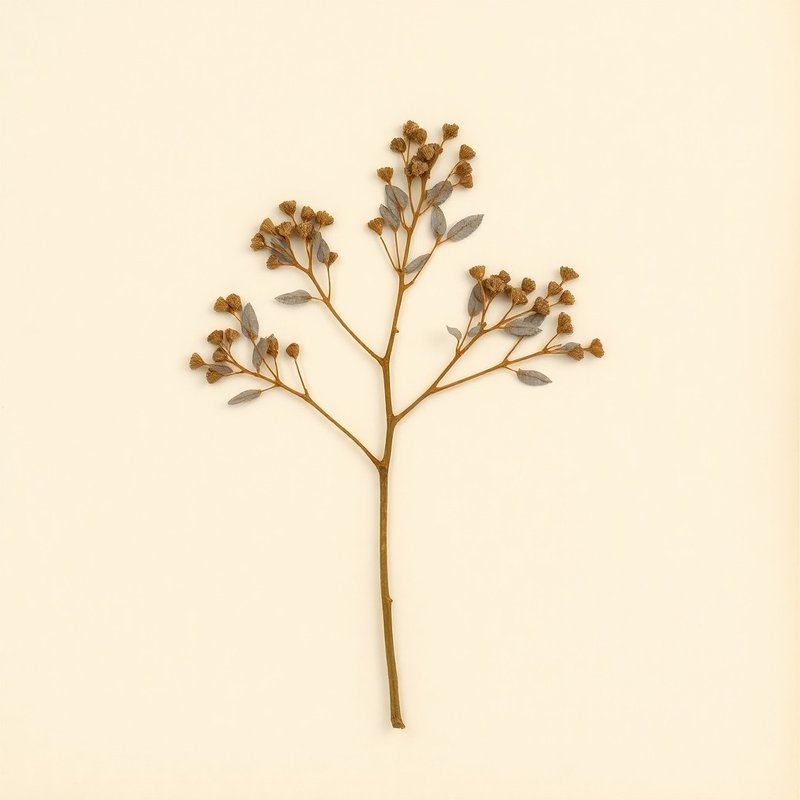
Pl. 7CEF — Eucalyptus punctata
Eucalyptus punctataEucalyptus punctataEucalyptus punctataEucalyptus punctataEucalyptus punctataEucalyptus punctataEucalyptus punctataEucalyptus punctataEucalyptus punctataEucalyptus punctataEucalyptus punctataEucalyptus punctataEucalyptus punctataEucalyptus punctata
IOverview
Overview
The Grey Gum (Eucalyptus punctata) is a medium-sized tree native to the eastern parts of Australia, specifically New South Wales and Queensland. Known for its adaptability, this eucalypt thrives in various soil types, including light sandy soils, medium loamy soils, and heavy clay soils. It can withstand both dry conditions and occasional wetter environments, making it a versatile species. Grey Gum is valued not only for its ornamental appeal but also for its edible qualities; the leaves are used by some Indigenous communities as a food source. One distinctive feature of this tree is its rough, grey-brown bark, which peels off in strips, revealing smooth patches underneath. Another notable characteristic is its ability to grow up to 30 meters tall, contributing significantly to the landscape of its native habitat.
Quick answers
What is Grey Gum?
The Grey Gum (Eucalyptus punctata) is a medium-sized tree native to the eastern parts of Australia, specifically New South Wales and Queensland. Known for its adaptability, this eucalypt thrives in various soil types, including light sandy soils, medium loamy soils, and heavy clay soils.
What is Grey Gum used for?
Traditionally used for immune support. Each claim is evidence-rated — see Section II for full citations.
Best for
Top 1 evidence-ranked use of Grey Gum
Clinicaluses · safety · chemistry · dosagemedicinal profile
IIBenefits & evidence
1 claim · 0 sources
Benefits & evidence
1 claim · 0 sources- Eucalyptus species, including Grey Gum, have been traditionally used in Australian Aboriginal medicine to support immune health. A decoction of the leaves may help maintain respiratory wellness during seasonal changes.
The mechanism involves eucalyptol and other terpenoids which possess antimicrobial properties that can inhibit bacterial growth in the respiratory tract.
IV·bMixology suggestions
1 draft
Mixology suggestions
1 draftEditorial drafts. These pairings are AI-suggested from traditional herbal lore. Always verify with a qualified herbalist before brewing.
Grey Gum support blend
generaltea
AI returned a direct ingredient list; normalized into one draft blend for editorial review.
Growingconditions · propagation · uses
VCultivation
Cultivation
The Grey Gum (Eucalyptus punctata) thrives in full sun and is adaptable to various soil types, including light sandy, medium, and heavy clay soils. It can tolerate dry conditions but also performs well in moist or wet environments. This tree grows up to 30 meters tall and is hardy in temperate regions with zones ranging from 8-11. For successful cultivation, ensure the planting site receives ample sunlight and maintain appropriate watering based on soil moisture needs.
Light
Full sun
Water
Dry, Moist, Wet
Soil
Light (sandy), Medium, Heavy (clay)
Hardiness
8-11
Mature size
30.0 m tall
For first-time growers
How to grow Grey Gum for the first time
8steps
Start with a Grey Gum as a simple, low-maintenance tree for your garden.
- 1
What you'll need
A young Grey Gum sapling and some basic gardening tools like a spade and watering can.
- 2
Best time to plant
Plant in spring or autumn when the weather is mild and rainfall is likely.
- 3
Soil and container prep
Ensure soil is well-draining, with a pH between 5.0 and 7.0. Amend heavy clay soils with sand for better drainage.
- 4
Sowing or transplanting
Transplant the sapling into a prepared hole that's twice as wide but not deeper than its root ball.
- 5
First two weeks
Water regularly to keep soil moist, especially if it’s dry. Monitor for pests and diseases.
- 6
Ongoing care
Water during dry spells, prune lightly in late winter or early spring, and mulch around the base to retain moisture.
- 7
Harvest or pruning
Prune young trees to shape them. Mature trees can be pruned for maintenance but are not typically harvested.
- 8
Common mistakes
Planting in poorly drained soil, overwatering, and neglecting regular pruning.
VIEdible & utility
Edible & utility
Edible uses: Manna
Contextrange · companions · related
VIIDistribution
2 native · 6 introduced
Distribution
2 native · 6 introducedDistribution across2 continents· 2 native· 6 introduced
Asia1 region
introduced (1)China
Africa3 regions
introduced (3)KenyaTanzaniaUganda
Broader regions
native:Queensland, New South Wales
introduced:Easter Is.
IXSpecimen gallery
1 image
Specimen gallery
1 imageXSee also
8 related
See also
8 relatedPlants you might compare or use together — scored by shared family, common use cases, and growing requirements.
shared use cases
Different families, similar therapeutic role — good for comparing.

XI
Explore further
Companion planting
Health goals
Compare with similar plants
Growing zone
XII
About this entry
- Last updated
- Citation
- How to cite this entry · Submit a correction
Back to the cataloguePlant id · 7cefca7f-1204-4b83-a7be-06214f5072f6
Decision aid
Choosing between Grey Gum and something else?
Continue reading
❦❦❦❦
Endpaper · archive updates
Get archive updates
Occasional email when substantial new content lands — plant profiles, seasonal growing notes, folk-remedy additions. Free, no tracking, unsubscribe anytime.