
Winged Spindle Tree
IOverview
Overview
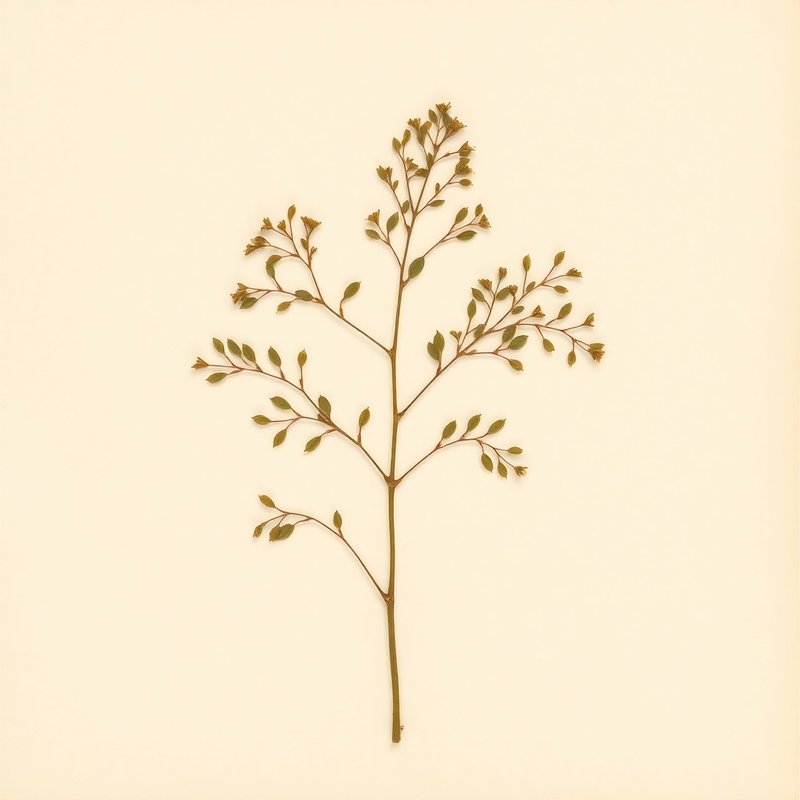
Winged Spindle Tree (Euonymus alatus) is a deciduous shrub native to regions in East Asia, including Amur, Buryatiya, and various parts of China. This plant is known for its ornamental value, particularly due to the distinctive wing-like protrusions on its stems, which add a unique visual appeal to gardens and landscapes. Thriving in full sun to partial shade, the Winged Spindle Tree can tolerate both dry and moist soils, making it adaptable to a range of growing conditions. It grows up to 2 meters in height and is hardy in zones 4-8, making it suitable for temperate regions. The Winged Spindle Tree is valued for its edible fruit and leaves, which can be used to make tea. Its ability to grow in a variety of soil types, from light (sandy) to heavy (clay), and its tolerance to a wide range of soil pH (4 to 7) make it a versatile choice for gardeners. However, it should be noted that the plant has the potential to become invasive in some areas, so it is important to manage its spread carefully. This shrub is often used as a hedgerow due to its moderate growth rate and shrub-like growth habit. Its distinctive foliage and branching structure make it a popular choice for ornamental purposes. While it is not medicinal, the Winged Spindle Tree offers practical benefits for those interested in incorporating native plants into their gardens or landscapes.
What is Winged Spindle Tree?
Winged Spindle Tree (Euonymus alatus) is a deciduous shrub native to regions in East Asia, including Amur, Buryatiya, and various parts of China.
VCultivation
Cultivation
How to grow Winged Spindle Tree for the first time
Start with a simple Winged Spindle Tree to get familiar with shrub care.
- 1
What you'll need
A young Winged Spindle Tree, garden gloves, and a trowel.
- 2
Best time to plant
Plant in spring or early fall when the weather is cooler.
- 3
Soil and container prep
Ensure soil drains well. For containers, use a mix of light, medium, and heavy soils.
- 4
Sowing or transplanting
Transplant young trees from a nursery pot to your garden bed gently.
- 5
First two weeks
Water the tree regularly but avoid overwatering. Keep it in partial shade if possible.
- 6
Ongoing care
Provide full sun or partial shade, and water when the soil feels dry.
- 7
Harvest or pruning
Prune in late winter to maintain shape and remove any dead branches.
- 8
Common mistakes
Overwatering, planting in heavy clay soils, not providing enough sunlight, neglecting pruning, and using the wrong soil type.
VIEdible & utility
Edible & utility
VIIDistribution
15 native · 33 introduced
Distribution
15 native · 33 introducedIXSpecimen gallery
1 image
Specimen gallery
1 imageExplore further
About this entry
- Last updated
- Citation
- How to cite this entry · Submit a correction
Continue reading
Get archive updates
Occasional email when substantial new content lands — plant profiles, seasonal growing notes, folk-remedy additions. Free, no tracking, unsubscribe anytime.