
Euonymus miyakei
Euonymus miyakei
Educational content — not medical, botanical, or professional advice. Plant identification, safety, and edibility depend on local conditions, cultivars, and correct identification. Consult a qualified botanist or forager before consuming or handling wild specimens. How we source & review →
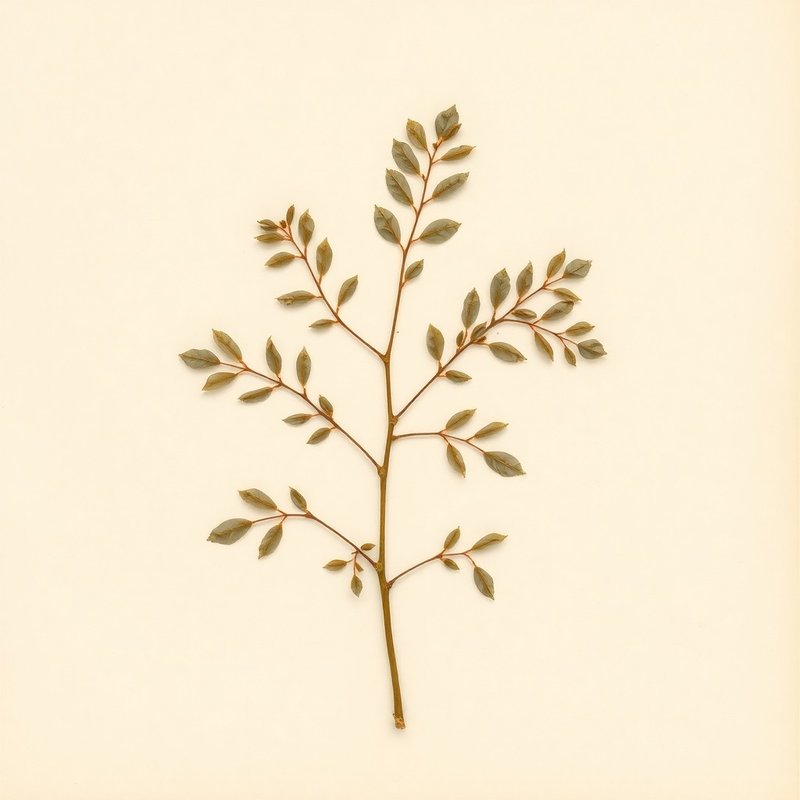
Pl. CE5B — Euonymus miyakei
Euonymus miyakeiEuonymus miyakeiEuonymus miyakeiEuonymus miyakeiEuonymus miyakeiEuonymus miyakeiEuonymus miyakeiEuonymus miyakeiEuonymus miyakeiEuonymus miyakeiEuonymus miyakeiEuonymus miyakeiEuonymus miyakeiEuonymus miyakei
IOverview
Overview
Euonymus miyakei is a deciduous shrub native to China's south-central and southeastern regions, including Hainan and Taiwan. Known for its light requirement of full sun or partial shade, this plant thrives in various soil types—light (sandy), medium, and heavy (clay)—and prefers dry to moist conditions. The edible parts of the plant are its fruits, making it a valuable source of nutrition in its native range. One distinctive feature is its adaptability to diverse environments, allowing it to flourish across different habitats within its native territory.
Quick answers
What is Euonymus miyakei?
Euonymus miyakei is a deciduous shrub native to China's south-central and southeastern regions, including Hainan and Taiwan. Known for its light requirement of full sun or partial shade, this plant thrives in various soil types—light (sandy), medium, and heavy (clay)—and prefers dry to moist conditions.
Growingconditions · propagation · uses
VCultivation
Cultivation
Euonymus miyakei thrives in full to partial sunlight and prefers well-drained soils that are light (sandy), medium, or heavy (clay). It can tolerate dry conditions but performs best in moist soil. The plant is hardy in temperate regions and grows edible fruit. For successful cultivation, ensure the soil remains consistently moist during growth periods while avoiding waterlogged conditions. Skip mulching to maintain moisture levels without overwatering.
Light
Full sun, Partial sun/shade
Water
Dry, Moist
Soil
Light (sandy), Medium, Heavy (clay)
For first-time growers
How to grow Euonymus miyakei for the first time
7steps
Start with Euonymus miyakei by ensuring you have the right conditions and care, making it a manageable project for beginners.
- 1
What you'll need
A small Euonymus miyakei plant or seeds, suitable containers if planting in pots, and basic gardening tools like a trowel.
- 2
Best time to plant
Plant Euonymus miyakei during spring or fall when the weather is mild and stable.
- 3
Soil and container prep
Ensure your soil is well-draining, with a mix of light (sandy), medium, or heavy (clay) textures. For containers, use a potting mix that suits these soil types.
- 4
Sowing or transplanting
Transplant young Euonymus miyakei plants into prepared soil, ensuring the root ball is at the same depth as it was in its original container. Sow seeds 1/4 inch deep and cover lightly.
- 5
First two weeks
Keep the soil moist but not waterlogged during the first few weeks after planting or sowing. Monitor for signs of stress like wilting.
- 6
Ongoing care
Euonymus miyakei prefers full to partial sun and can tolerate dry conditions, though regular watering will help it thrive. Prune lightly in late winter to maintain shape.
- 7
Harvest or pruning
While Euonymus miyakei is not commonly harvested for its fruit, you may prune it to encourage bushier growth or remove dead branches.
VIEdible & utility
Edible & utility
Edible parts:Fruit
Edible uses: The fruit of Euonymus miyakei is edible and can be consumed raw or used in various preparations. It is often eaten fresh but may also be dried for later use. Skip the detailed preparation methods as specific culinary uses are not provided.
Contextrange · companions · related
VIIDistribution
4 native · 0 introduced
Distribution
4 native · 0 introducedDistribution across1 continent· 4 native
Asia2 regions
native (2)ChinaTaiwan
Broader regions
native:Hainan
IXSpecimen gallery
1 image
Specimen gallery
1 imageXI
Explore further
Companion planting
XII
About this entry
- Last updated
- Citation
- How to cite this entry · Submit a correction
Back to the cataloguePlant id · ce5b6fd2-9e53-4031-a820-901a6d91a955
Decision aid
Choosing between Euonymus miyakei and something else?
Continue reading
❦❦❦❦
Endpaper · archive updates
Get archive updates
Occasional email when substantial new content lands — plant profiles, seasonal growing notes, folk-remedy additions. Free, no tracking, unsubscribe anytime.