
Caper Spurge
Euphorbia lathyris
Educational content — not medical, botanical, or professional advice. Plant identification, safety, and edibility depend on local conditions, cultivars, and correct identification. Consult a qualified botanist or forager before consuming or handling wild specimens. How we source & review →
Garden journal pausedUse profile notes below
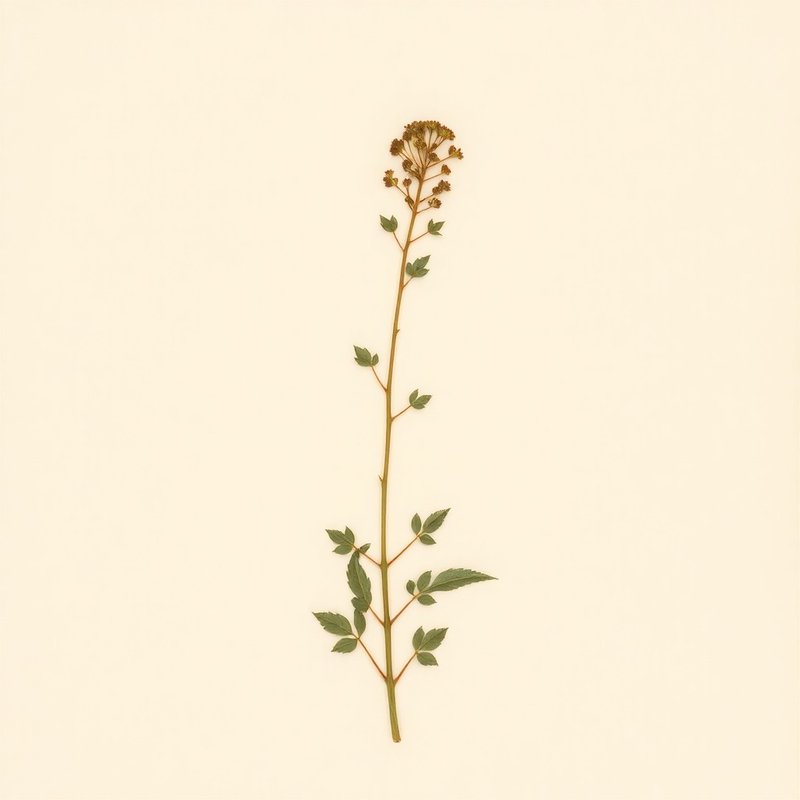
Pl. 8DD4 — Euphorbia lathyris
Euphorbia lathyrisEuphorbia lathyrisEuphorbia lathyrisEuphorbia lathyrisEuphorbia lathyrisEuphorbia lathyrisEuphorbia lathyrisEuphorbia lathyrisEuphorbia lathyrisEuphorbia lathyrisEuphorbia lathyrisEuphorbia lathyrisEuphorbia lathyrisEuphorbia lathyris
IOverview
Overview
Caper Spurge, scientifically known as Euphorbia lathyris and belonging to the spurge family (Euphorbiaceae), is a plant native to regions including Amur, China North-Central, Chita, Inner Mongolia, Korea, Manchuria, and Mongolia. This hardy plant thrives in full sun to partial shade and can adapt to various soil types, from light sandy to heavy clay, though it prefers moist conditions. Capable of growing up to 1 meter tall, Caper Spurge is known for its edible seeds, making it a valuable addition to certain culinary practices. The distinctive feature of Euphorbia lathyris lies in the milky latex that exudes when any part of the plant is broken—a common trait among Euphorbia species. This plant can be propagated through seed and thrives in hardiness zones 5-9, making it suitable for temperate climates. While Caper Spurge is not typically used medicinally, its seeds are edible and can be incorporated into various dishes. Given its adaptability to different soil types and climate conditions, Caper Spurge can serve as a dynamic accumulator, enhancing the nutrient content of surrounding soils through its root system. Its presence in gardens or agricultural settings may contribute to overall soil health and biodiversity. However, caution should be exercised when handling this plant due to the potential irritancy caused by the milky latex.
Quick answers
What is Caper Spurge?
Caper Spurge, scientifically known as Euphorbia lathyris and belonging to the spurge family (Euphorbiaceae), is a plant native to regions including Amur, China North-Central, Chita, Inner Mongolia, Korea, Manchuria, and Mongolia.
Growingconditions · propagation · uses
VCultivation
Cultivation
Caper Spurge thrives in full to partial sun and prefers well-drained soil that can be light (sandy), medium, or heavy (clay). It is drought-tolerant but will grow better with regular moisture. This plant is hardy in zones 5-9 and can reach a height of 1 meter. As an annual or biennial, it requires little maintenance once established. For propagation, seeds are the preferred method. Given its native range across temperate regions, Caper Spurge adapts well to similar climates but may benefit from protection during colder months.
Light
Full sun, Partial sun/shade
Water
Dry, Moist
Soil
Light (sandy), Medium, Heavy (clay)
Hardiness
5-9
Life cycle
Annual, Biennial
Mature size
1.0 m tall
For first-time growers
How to grow Caper Spurge for the first time
8steps
Start with Caper Spurge as an easy-to-grow annual for a beginner gardener.
- 1
What you'll need
Seeds, small pots or direct planting area, garden gloves.
- 2
Best time to plant
Plant in spring after the last frost, or start seeds indoors about 4 weeks before outdoor planting.
- 3
Soil and container prep
Choose a location with full sun to partial shade. Ensure soil is well-draining; amend if necessary for better drainage.
- 4
Sowing or transplanting
Direct sow seeds 1 cm deep, about 30 cm apart in rows. Alternatively, start indoors and transplant seedlings after they have two sets of true leaves.
- 5
First two weeks
Keep soil moist but not waterlogged during germination. Thin plants to 30-60 cm apart once they are established.
- 6
Ongoing care
Water sparingly, allowing the top inch of soil to dry out between waterings. Mulch around plants to retain moisture and suppress weeds.
- 7
Harvest or pruning
Prune spent flowers to encourage more blooms and maintain plant shape. Harvest seeds when they turn brown.
- 8
Common mistakes
Overwatering, planting in heavy soil, neglecting to thin seedlings.
VIEdible & utility
Edible & utility
Edible parts:Seed
Edible uses: Oil
Other uses:BiomasstextilesoilDynamic accumulator
Contextrange · companions · related
VIIDistribution
10 native · 62 introduced
Distribution
10 native · 62 introducedDistribution across4 continents· 10 native· 62 introduced
Europe9 regions
introduced (9)AlbaniaBelgiumBulgariaFranceGermanyPortugalRomaniaSpainUnited Kingdom
Asia6 regions
native (4)ChinaMongoliaPakistanSouth Korea
introduced (2)ChinaVietnam
Americas3 regions
introduced (3)BoliviaUruguayVenezuela
Africa2 regions
introduced (2)EthiopiaMorocco
Broader regions
native:Amur, Chita, Kirgizstan
introduced:Argentina Northeast, Argentina Northwest, Arizona, Brazil South, British Columbia, California, Chile Central, Connecticut, Czechoslovakia, East Himalaya, Idaho, Illinois, Juan Fernández Is., Maryland, Masachusettes, Mexico Gulf, Mexico Northeast, Mexico Southeast, Mexico Southwest, Montana, New Mexico, New York, New Zealand North, New Zealand South, North Carolina, Ohio, Ontario, Oregon, Pennsylvania, Québec, South Carolina, Tasmania, Tennessee, Texas, Transcaucasus, Virginia, Washington, West Himalaya, West Virginia
IXSpecimen gallery
1 image
Specimen gallery
1 imageXI
Explore further
Companion planting
Growing zone
XII
About this entry
- Last updated
- Citation
- How to cite this entry · Submit a correction
Back to the cataloguePlant id · 8dd4f3e9-7d23-4196-9006-6f023040fbad
Decision aid
Choosing between Caper Spurge and something else?
Continue reading
❦❦❦❦
Endpaper · archive updates
Get archive updates
Occasional email when substantial new content lands — plant profiles, seasonal growing notes, folk-remedy additions. Free, no tracking, unsubscribe anytime.
Newsletter returning soon.
We are rebuilding the update list around a lightweight editorial workflow. New dispatches will resume after the next content review cycle.