
Eyebright
Euphrasia officinalisfam. Orobancheaceae
Educational content — not medical, botanical, or professional advice. Always consult a qualified clinician before using any herbal preparation — especially during pregnancy, breastfeeding, while on medication, or for children. How we source & review →
Garden journal pausedUse profile notes below
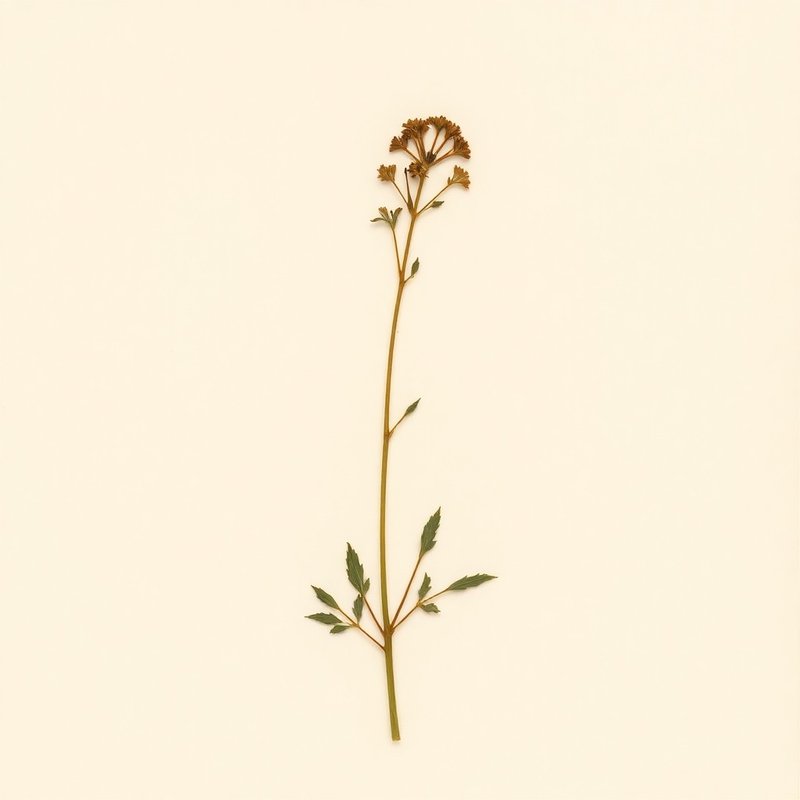
Pl. 4C58 — Euphrasia officinalis
Euphrasia officinalisEuphrasia officinalisEuphrasia officinalisEuphrasia officinalisEuphrasia officinalisEuphrasia officinalisEuphrasia officinalisEuphrasia officinalisEuphrasia officinalisEuphrasia officinalisEuphrasia officinalisEuphrasia officinalisEuphrasia officinalisEuphrasia officinalis
IOverview
Overview
Eyebright, scientifically known as Euphrasia officinalis, is an annual plant belonging to the family Scrophulariaceae. Native to Spain, this plant has naturalized in various regions across Europe, including Albania, Austria, and the Baltic States. Eyebright thrives in moist conditions and can adapt to a variety of soil types, from light sandy soils to heavier clay ones. It prefers full sun to partial shade and grows to a height of about 0.2 meters, making it a suitable addition to gardens and landscapes. Hardy in USDA zones 5-9, this plant is known for its small, delicate flowers that often appear in clusters, adding a touch of beauty to any garden setting. Eyebright is both edible and medicinal. The leaves can be consumed raw or cooked and are often used in salads for their mild flavor. They can also be steeped to make a tea. The plant has a long history of medicinal use, particularly for eye-related conditions, although caution is advised when using it for any health purposes. For cultivation, ensure the soil remains consistently moist and provide the plant with the appropriate amount of sunlight. Propagate Eyebright through seeds, as it is an annual. Harvest the edible leaves for use.
Quick answers
What is Eyebright?
Eyebright, scientifically known as Euphrasia officinalis, is an annual plant belonging to the family Scrophulariaceae. Native to Spain, this plant has naturalized in various regions across Europe, including Albania, Austria, and the Baltic States.
IV·bMixology suggestions
1 draft
Mixology suggestions
1 draftEditorial drafts. These pairings are AI-suggested from traditional herbal lore. Always verify with a qualified herbalist before brewing.
Eye Relief
eye caretincture
Traditional use for eye fatigue and irritation.
Growingconditions · propagation · uses
VCultivation
Cultivation
Eyebright thrives in full sun to partial shade and prefers moist, well-draining soil that can be light (sandy), medium, or heavy (clay). It is hardy in zones 5-9 and grows to a height of 0.2 meters. For cultivation, ensure the soil is light and fertile, and keep the plant moist. Propagate Eyebright through seeds, as it is an annual. Harvest the edible leaves for use.
Light
Full sun, Partial sun/shade
Water
Moist
Soil
Light (sandy), Medium, Heavy (clay)
Hardiness
5-9
Life cycle
Annual
Mature size
0.2 m tall
For first-time growers
How to grow Eyebright for the first time
8steps
Start with a simple Eyebright planting to gain experience in basic gardening.
- 1
What you'll need
Seeds or young plants, small pots or garden space, potting soil.
- 2
Best time to plant
Plant in spring after the last frost or in late summer for fall germination.
- 3
Soil and container prep
Use well-draining soil. For containers, choose a mix suitable for herbs and flowers.
- 4
Sowing or transplanting
Direct sow seeds 1-2 mm deep in the garden or start them indoors and transplant when large enough to handle.
- 5
First two weeks
Keep soil moist. Provide partial shade if direct sunlight is intense.
- 6
Ongoing care
Water regularly, especially during dry spells. Pinch back for bushier growth.
- 7
Harvest or pruning
Prune after flowering to encourage more blooms and maintain plant shape.
- 8
Common mistakes
Overwatering, planting in heavy soil, not providing enough light, neglecting to pinch back for shape.
VIEdible & utility
Edible & utility
Edible parts:Leaves
Edible uses: The leaves of Eyebright (Euphrasia officinalis) are edible and can be consumed raw or cooked. They are often used in salads for their mild flavor. Additionally, the leaves can be steeped to make a tea.
Contextrange · companions · related
VIIDistribution
31 native · 34 introduced
Distribution
31 native · 34 introducedDistribution across2 continents· 31 native· 34 introduced
Europe43 regions
native (22)AlbaniaAustriaBelarusBelgiumBulgariaDenmarkFinlandFranceGermanyGreeceHungaryIrelandItalyNetherlandsPolandRomaniaRussiaSpainSwedenSwitzerlandUkraineUnited Kingdom
introduced (21)AlbaniaAustriaBelarusBelgiumBulgariaDenmarkFinlandFranceGermanyGreeceHungaryIrelandItalyNetherlandsPolandRomaniaRussiaSwedenSwitzerlandUkraineUnited Kingdom
Asia2 regions
native (1)Turkey
introduced (1)Turkey
Broader regions
native:Baltic States, Czechoslovakia, Transcaucasus, Yugoslavia
introduced:Argentina South, Baltic States, Chile Central, Chile South, Czechoslovakia, Falkland Is., Transcaucasus, Yugoslavia
IXSpecimen gallery
1 image
Specimen gallery
1 imageXI
Explore further
Companion planting
Growing zone
Native to
XII
About this entry
- Last updated
- Citation
- How to cite this entry · Submit a correction
Back to the cataloguePlant id · 4c58ced6-2990-4f27-8f1b-7b8e3ae92b15
Decision aid
Choosing between Eyebright and something else?
Continue reading
❦❦❦❦
Endpaper · archive updates
Get archive updates
Occasional email when substantial new content lands — plant profiles, seasonal growing notes, folk-remedy additions. Free, no tracking, unsubscribe anytime.
Newsletter returning soon.
We are rebuilding the update list around a lightweight editorial workflow. New dispatches will resume after the next content review cycle.