
Euptelea
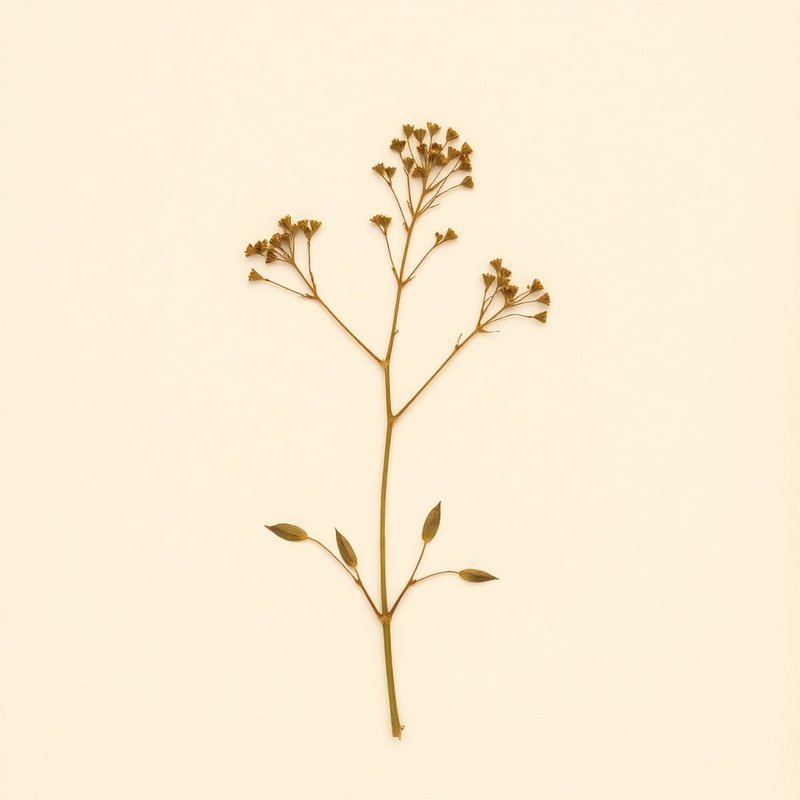
IOverview
Overview
Euptelea, scientifically known as Euptelea polyandra, is a deciduous tree native to Japan. This tree can grow up to 8 meters tall and thrives in moist, well-drained soils, adapting to a range of soil types, from light (sandy) to heavy (clay). It prefers partial to full sun and is hardy in zones 6-7, making it a versatile addition to landscapes. The leaves of Euptelea are edible and can be used in various culinary applications, such as stir-fries or soups, where they add a mild flavor. For best results, cook the leaves before consumption to enhance their palatability. The light green foliage provides ornamental value, making it a suitable choice for gardens and parks. Its adaptability to different soil types and hardiness in temperate regions make Euptelea a valuable plant for both culinary and ornamental purposes.
What is Euptelea?
Euptelea, scientifically known as Euptelea polyandra, is a deciduous tree native to Japan. This tree can grow up to 8 meters tall and thrives in moist, well-drained soils, adapting to a range of soil types, from light (sandy) to heavy (clay).
VCultivation
Cultivation
How to grow Euptelea for the first time
Start with planting Euptelea in a sunny spot and follow these beginner-friendly steps.
- 1
What you'll need
Euptelea saplings, garden gloves, spade or trowel.
- 2
Best time to plant
Plant Euptelea in spring or early fall when the weather is mild.
- 3
Soil and container prep
Ensure soil is well-draining; mix in compost if needed. For containers, use a pot with drainage holes filled with light, medium, or heavy soil.
- 4
Sowing or transplanting
Transplant saplings into the garden or larger pots. Dig a hole twice as wide and deep as the root ball.
- 5
First two weeks
Water regularly to keep the soil moist but not waterlogged. Monitor for any signs of stress or pests.
- 6
Ongoing care
Provide full sun to partial shade, water when the top inch of soil feels dry, and mulch around the base to retain moisture.
- 7
Harvest or pruning
Prune in late winter before new growth starts. Harvest leaves for culinary use as needed.
VIEdible & utility
Edible & utility
VIIDistribution
1 native · 0 introduced
Distribution
1 native · 0 introducedIXSpecimen gallery
1 image
Specimen gallery
1 imageExplore further
About this entry
- Last updated
- Citation
- How to cite this entry · Submit a correction
Continue reading
Get archive updates
Occasional email when substantial new content lands — plant profiles, seasonal growing notes, folk-remedy additions. Free, no tracking, unsubscribe anytime.