
Exocarpus nanus
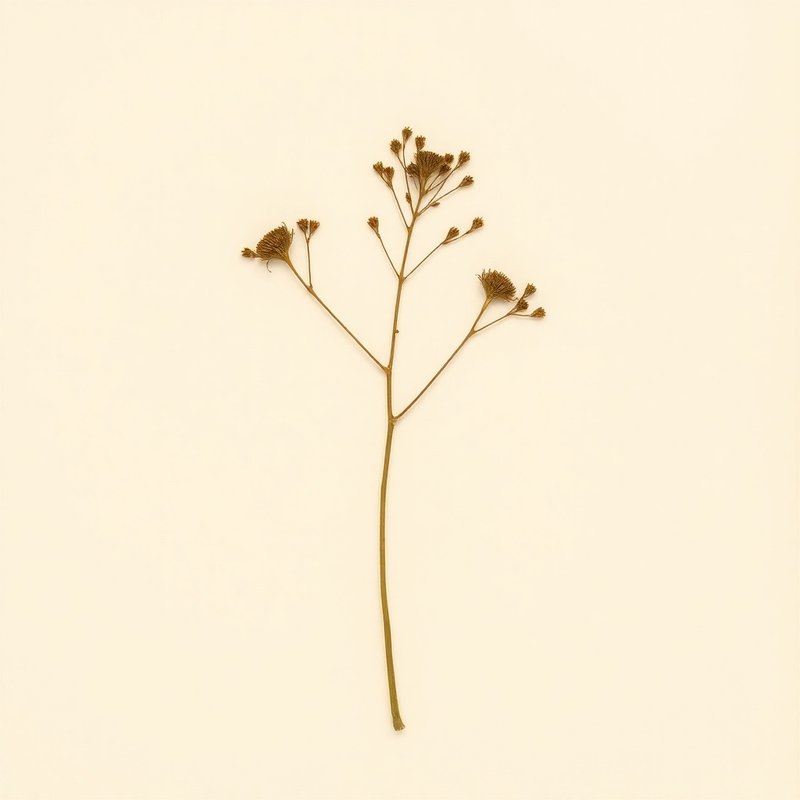
IOverview
Overview
Exocarpus nanus, commonly known as the small-fruited false mallow, is a shrub native to the southeastern regions of Australia, specifically New South Wales, Tasmania, and Victoria. This plant thrives in environments that offer light to partial sun, making it adaptable to various growing conditions. It can tolerate both dry and moist soil, thriving particularly in light (sandy) and medium-textured soils. Exocarpus nanus is known for its edible fruit, which can be enjoyed raw or used to make jams and preserves. Its small stature and ability to grow in a variety of conditions make it a valuable addition to gardens, especially in areas with limited space. While it is not traditionally used for medicinal purposes, its edible fruit offers a sustainable and flavorful resource for foragers and gardeners alike. This shrub is hardy in temperate regions and can be propagated through seed or cuttings, making it a versatile and attractive addition to home gardens and landscapes.
What is Exocarpus nanus?
Exocarpus nanus, commonly known as the small-fruited false mallow, is a shrub native to the southeastern regions of Australia, specifically New South Wales, Tasmania, and Victoria. This plant thrives in environments that offer light to partial sun, making it adaptable to various growing conditions.
VCultivation
Cultivation
How to grow Exocarpus nanus for the first time
Start with Exocarpus nanus by planting it in a sunny spot and providing basic care.
- 1
What you'll need
A young plant or seeds, a pot if container gardening, good quality soil.
- 2
Best time to plant
Plant Exocarpus nanus in spring when the weather starts warming up.
- 3
Soil and container prep
Use light, well-draining soil. Ensure containers have drainage holes if needed.
- 4
Sowing or transplanting
Transplant young plants carefully or sow seeds directly in the ground after danger of frost passes.
- 5
First two weeks
Water regularly to keep the soil moist but not waterlogged. Monitor for pests and diseases.
- 6
Ongoing care
Provide full sun to partial shade, water when dry, and mulch to retain moisture and suppress weeds.
- 7
Harvest or pruning
Prune lightly in late winter to maintain shape. Harvest fruit as needed for use.
VIEdible & utility
Edible & utility
VIIDistribution
3 native · 0 introduced
Distribution
3 native · 0 introducedIXSpecimen gallery
1 image
Specimen gallery
1 imageExplore further
About this entry
- Last updated
- Citation
- How to cite this entry · Submit a correction
Continue reading
Get archive updates
Occasional email when substantial new content lands — plant profiles, seasonal growing notes, folk-remedy additions. Free, no tracking, unsubscribe anytime.