
Apache Plume
IOverview
Overview
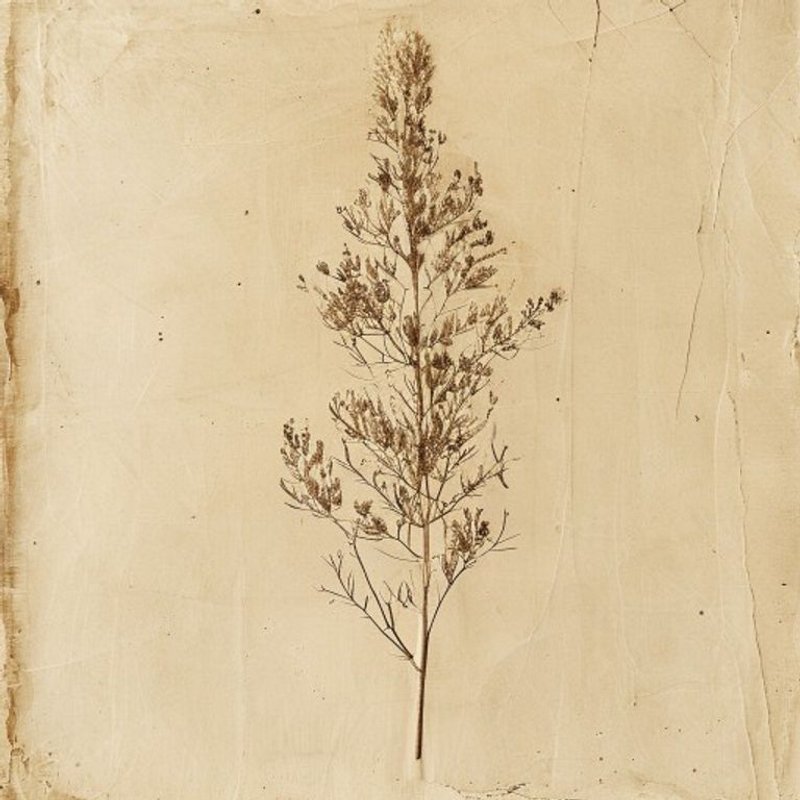
Apache Plume (Fallugia paradoxa) is a shrub native to the southwestern United States and northern Mexico, including regions such as Arizona, California, Colorado, Nevada, New Mexico, Oklahoma, Texas, and Utah. Known for its ornamental value and edible parts, this plant thrives in full sun and various soil types, from light sandy to heavy clay. It can grow up to 2.5 meters tall and is hardy in zones 6-10, making it adaptable to both dry and moist conditions. The distinctive feature of Apache Plume includes its feathery plumes of white flowers that appear after the blooming period, adding a unique touch to landscapes. This plant is also useful for erosion control and can be incorporated into crafting and hair care applications. Its edible parts, particularly the oil, make it a valuable addition to gardens and landscapes in the southwestern region.
What is Apache Plume?
Apache Plume (Fallugia paradoxa) is a shrub native to the southwestern United States and northern Mexico, including regions such as Arizona, California, Colorado, Nevada, New Mexico, Oklahoma, Texas, and Utah.
VCultivation
Cultivation
How to grow Apache Plume for the first time
Start with a simple, low-maintenance shrub that thrives in full sun and well-draining soil.
- 1
What you'll need
Apache Plume plants or seeds, potting mix if planting in containers.
- 2
Best time to plant
Plant Apache Plume during spring or fall when temperatures are moderate.
- 3
Soil and container prep
Ensure the soil is well-draining with a pH between 7 and 8. Use a potting mix suitable for cacti and succulents if in containers.
- 4
Sowing or transplanting
Transplant young plants from nursery pots to your garden bed, ensuring they are spaced about 2 meters apart.
- 5
First two weeks
Water the plant thoroughly after planting. Avoid overwatering; allow the soil to dry out between waterings.
- 6
Ongoing care
Provide full sun exposure and minimal watering, especially once established. Prune lightly in late winter to maintain shape.
- 7
Harvest or pruning
Prune Apache Plume in late winter to remove dead wood and encourage new growth.
VIEdible & utility
Edible & utility
VIIDistribution
10 native · 0 introduced
Distribution
10 native · 0 introducedIXSpecimen gallery
1 image
Specimen gallery
1 imageExplore further
About this entry
- Last updated
- Citation
- How to cite this entry · Submit a correction
Continue reading
Get archive updates
Occasional email when substantial new content lands — plant profiles, seasonal growing notes, folk-remedy additions. Free, no tracking, unsubscribe anytime.