
Ferula karelinii
Ferula karelinii
Educational content — not medical, botanical, or professional advice. Plant identification, safety, and edibility depend on local conditions, cultivars, and correct identification. Consult a qualified botanist or forager before consuming or handling wild specimens. How we source & review →
Garden journal pausedUse profile notes below
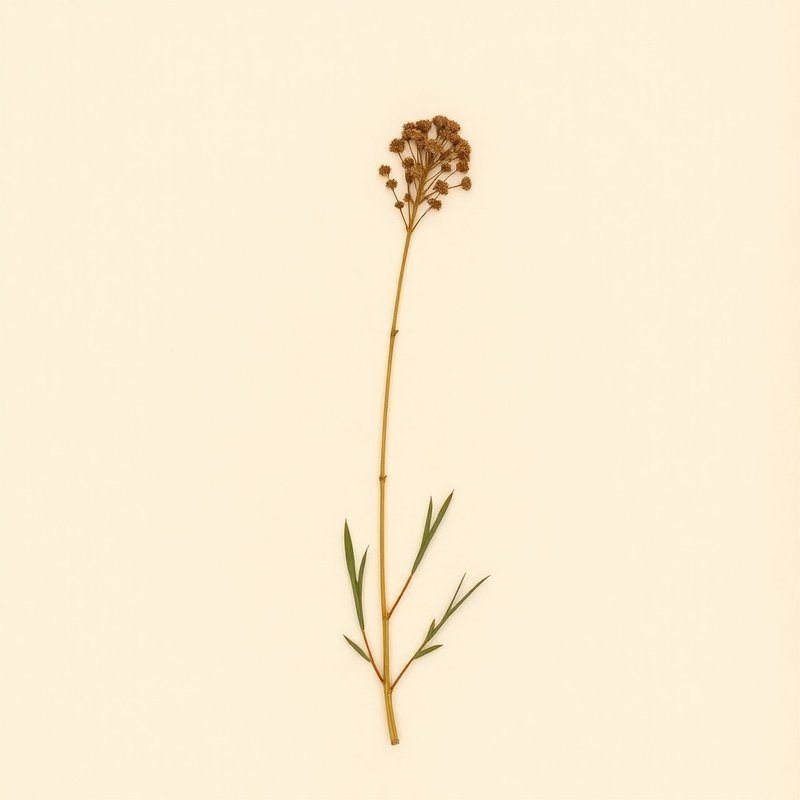
Pl. 53BC — Ferula karelinii
Ferula kareliniiFerula kareliniiFerula kareliniiFerula kareliniiFerula kareliniiFerula kareliniiFerula kareliniiFerula kareliniiFerula kareliniiFerula kareliniiFerula kareliniiFerula kareliniiFerula kareliniiFerula karelinii
IOverview
Overview
Ferula karelinii is a perennial herb in the carrot family, Apiaceae, also referred to as Umbelliferae. It reaches about 0.6 meters in height and is native to a wide band of Central and South Asia, recorded from Afghanistan, Iran, Kazakhstan, Kirgizstan, Pakistan, Tadzhikistan, Turkmenistan, Uzbekistan, and Xinjiang. Across this range it grows in full sun and tolerates both dry and moist conditions, occurring on light sandy soils as well as medium and heavy clay, which gives it a fairly broad tolerance of different ground types compared with more specialized species. Its chief documented use is culinary. The root is edible and can be prepared in various ways, eaten either raw or cooked, and it can also be dried so that it keeps for later use. This root is the part associated with local cooking in the regions where the plant occurs naturally, which is why it is valued as a food plant rather than gathered for other purposes. As a perennial, Ferula karelinii persists from year to year rather than completing its life cycle in a single season. The profile lists no medicinal uses for the species, and no active compounds or therapeutic benefits are recorded, so it is best described as a food plant rather than a source of medicine. It is not classed as drought-resistant, meaning that although it copes with dry spells it is not suited to sustained water shortage. Its combination of an edible root, a compact size, and tolerance of full sun and varied soils defines its practical character and its place in the culinary traditions of Central and South Asia.
Quick answers
What is Ferula karelinii?
Ferula karelinii is a perennial herb in the carrot family, Apiaceae, also referred to as Umbelliferae. It reaches about 0.6 meters in height and is native to a wide band of Central and South Asia, recorded from Afghanistan, Iran, Kazakhstan, Kirgizstan, Pakistan, Tadzhikistan, Turkmenistan, Uzbekistan, and Xinjiang.
Growingconditions · propagation · uses
VCultivation
Cultivation
Ferula karelinii thrives in full sun and prefers well-draining soil that can be light (sandy), medium, or heavy (clay). It is drought-tolerant but will benefit from occasional moisture, especially during dry periods. This perennial grows to about 0.6 meters tall and is hardy in temperate regions. For propagation, roots can be divided or new plants can be grown from seeds. The edible parts are the roots, which should be harvested carefully after the plant has matured.
Light
Full sun
Water
Dry, Moist
Soil
Light (sandy), Medium, Heavy (clay)
Life cycle
Perennial
Mature size
0.6 m tall
For first-time growers
How to grow Ferula karelinii for the first time
7steps
Start with Ferula karelinii by planting it in a sunny spot and providing basic care.
- 1
What you'll need
Seeds or small plants, potting soil, containers if needed.
- 2
Best time to plant
Plant Ferula karelinii in spring after the last frost.
- 3
Soil and container prep
Use well-draining soil; mix sand with regular potting soil for containers.
- 4
Sowing or transplanting
Direct sow seeds 1-2 cm deep, or plant small plants in the ground.
- 5
First two weeks
Water sparingly to avoid rot. Keep the soil moist but not waterlogged.
- 6
Ongoing care
Provide full sun and regular watering during dry periods; mulch to retain moisture.
- 7
Harvest or pruning
Prune dead leaves and stems in late winter to maintain plant health.
VIEdible & utility
Edible & utility
Edible parts:Root
Edible uses: The root of Ferula karelinii is edible and can be prepared in various ways. It is often used raw or cooked, adding a unique flavor to dishes. Drying the root also preserves it for later use.
Contextrange · companions · related
VIIDistribution
9 native · 0 introduced
Distribution
9 native · 0 introducedDistribution across1 continent· 9 native
Asia7 regions
native (7)AfghanistanChinaIranKazakhstanPakistanTurkmenistanUzbekistan
Broader regions
native:Kirgizstan, Tadzhikistan
IXSpecimen gallery
1 image
Specimen gallery
1 imageXI
Explore further
Companion planting
Native to
XII
About this entry
- Last updated
- Citation
- How to cite this entry · Submit a correction
Back to the cataloguePlant id · 53bc6bc3-71be-4d79-9992-a0fe29260e5a
Decision aid
Choosing between Ferula karelinii and something else?
Continue reading
❦❦❦❦
Endpaper · archive updates
Get archive updates
Occasional email when substantial new content lands — plant profiles, seasonal growing notes, folk-remedy additions. Free, no tracking, unsubscribe anytime.
Newsletter returning soon.
We are rebuilding the update list around a lightweight editorial workflow. New dispatches will resume after the next content review cycle.