
Ferula longifolia
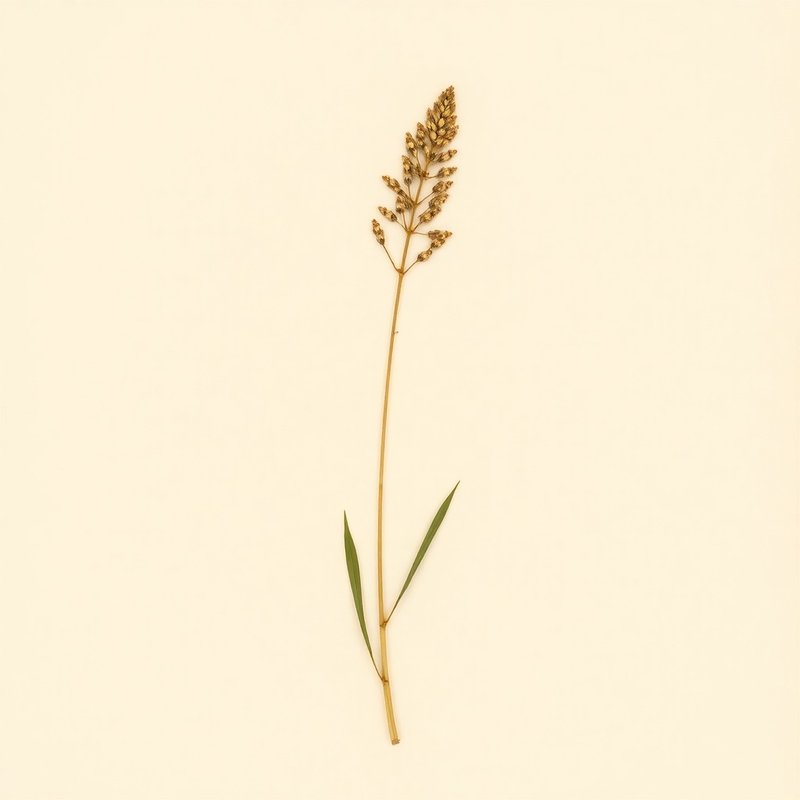
IOverview
Overview
Ferula longifolia is a perennial plant belonging to the carrot family (Apiaceae) and is native to regions including Altay, Austria, Bulgaria, Central European Rus, Hungary, Kazakhstan, Krym, North Caucasus, Romania, South European Russi, Transcaucasus, Ukraine, West Siberia, and Yugoslavia. This hardy plant thrives in full sun and can adapt to various soil types—light (sandy), medium, or heavy (clay)—and both dry and moist conditions, making it a resilient choice for gardens across its native range. The most notable feature of Ferula longifolia is its edible roots, which can be prepared in various ways. The plant's large, feathery leaves and tall flowering stems, reaching up to 2 meters in height, add ornamental value to landscapes. Its adaptability and resilience make it a valuable addition to gardens and natural settings within its native regions. While Ferula longifolia is primarily known for its edible roots, caution should be exercised when handling the plant due to potential irritants or allergens present in its compounds.
What is Ferula longifolia?
Ferula longifolia is a perennial plant belonging to the carrot family (Apiaceae) and is native to regions including Altay, Austria, Bulgaria, Central European Rus, Hungary, Kazakhstan, Krym, North Caucasus, Romania, South European Russi, Transcaucasus, Ukraine, West Siberia, and Yugoslavia.
VCultivation
Cultivation
How to grow Ferula longifolia for the first time
Start with Ferula longifolia by planting it in a sunny spot and providing well-draining soil.
- 1
What you'll need
A healthy Ferula longifolia plant or root, suitable containers if using pots.
- 2
Best time to plant
Plant in spring after the last frost or in early fall.
- 3
Soil and container prep
Use well-draining soil with a mix of light (sandy), medium, or heavy clay. Ensure containers have drainage holes.
- 4
Sowing or transplanting
Transplant young plants from the nursery or sow seeds directly in the garden where they will grow.
- 5
First two weeks
Water sparingly to avoid rotting roots, ensuring soil stays slightly moist but not waterlogged.
- 6
Ongoing care
Provide full sun and minimal watering once established. Prune dead foliage as needed.
- 7
Harvest or pruning
Prune dead leaves and stems to maintain plant health, but avoid harvesting roots for food purposes.
- 8
Common mistakes
Overwatering, planting in poorly draining soil, not providing enough sunlight, and neglecting to prune.
VIEdible & utility
Edible & utility
VIIDistribution
16 native · 0 introduced
Distribution
16 native · 0 introducedIXSpecimen gallery
1 image
Specimen gallery
1 imageExplore further
About this entry
- Last updated
- Citation
- How to cite this entry · Submit a correction
Continue reading
Get archive updates
Occasional email when substantial new content lands — plant profiles, seasonal growing notes, folk-remedy additions. Free, no tracking, unsubscribe anytime.