
Rubber Plant India Rubber Tree
Ficus elastica
Educational content — not medical, botanical, or professional advice. Plant identification, safety, and edibility depend on local conditions, cultivars, and correct identification. Consult a qualified botanist or forager before consuming or handling wild specimens. How we source & review →
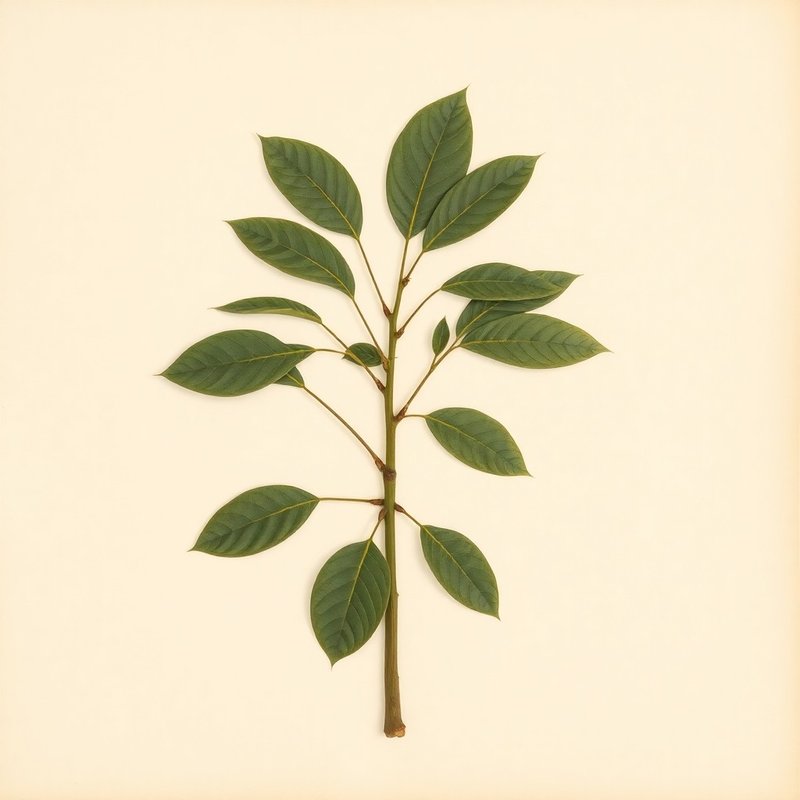
Pl. 1B91 — Ficus elastica
Ficus elasticaFicus elasticaFicus elasticaFicus elasticaFicus elasticaFicus elasticaFicus elasticaFicus elasticaFicus elasticaFicus elasticaFicus elasticaFicus elasticaFicus elasticaFicus elastica
IOverview
Overview
The Rubber Plant India Rubber Tree, scientifically known as Ficus elastica, is a large evergreen tree native to the tropical regions of Asia, including Assam, Bangladesh, China South-Central, East Himalaya, Jawa, Laos, Malaya, Myanmar, Nepal, Sumatera, Thailand, and Vietnam. This plant thrives in moist conditions and prefers light or partial sun exposure, making it adaptable to various environments. It is known for its ornamental value due to the glossy, dark green leaves that can add a striking presence to gardens and indoor spaces. Additionally, the rubber tree has edible properties; its leaves are sometimes used as a vegetable in local cuisines. Its distinctive feature includes robust, thick branches and leaves with prominent veins, making it a popular choice for landscaping and horticulture.
Quick answers
What is Rubber Plant India Rubber Tree?
The Rubber Plant India Rubber Tree, scientifically known as Ficus elastica, is a large evergreen tree native to the tropical regions of Asia, including Assam, Bangladesh, China South-Central, East Himalaya, Jawa, Laos, Malaya, Myanmar, Nepal, Sumatera, Thailand, and Vietnam.
Growingconditions · propagation · uses
VCultivation
Cultivation
The Rubber Plant India Rubber Tree thrives in full to partial sun and prefers moist soil that can be light (sandy), medium, or heavy (clay). It is hardy in zones 9-12, making it suitable for warmer climates. This tree can grow quite tall, reaching up to 50 meters. For propagation, you can use stem cuttings. The leaves are edible but not commonly used as a food source.
Light
Full sun, Partial sun/shade
Water
Moist
Soil
Light (sandy), Medium, Heavy (clay)
Hardiness
9-12
Mature size
50.0 m tall
For first-time growers
How to grow Rubber Plant India Rubber Tree for the first time
6steps
Start with a Rubber Plant India Rubber Tree for its easy care and attractive foliage.
- 1
What you'll need
A young rubber plant, well-draining potting mix, and a container with drainage holes.
- 2
Best time to plant
Plant the rubber tree in spring or early summer when temperatures are mild.
- 3
Soil and container prep
Use a potting mix that is light and well-draining. Ensure your container has adequate drainage holes.
- 4
Sowing or transplanting
Transplant the rubber plant from its nursery pot to a larger one, adding fresh soil as needed.
- 5
First two weeks
Keep the soil consistently moist and place the plant in bright, indirect light. Avoid direct sunlight for now.
- 6
Ongoing care
Water when the top inch of soil feels dry. Provide bright, indirect light and maintain room temperature.
VIEdible & utility
Edible & utility
Edible parts:Leaves
Edible uses: The leaves of the Rubber Plant India Rubber Tree (Ficus elastica) are edible and can be consumed raw or cooked. They are often prepared in stir-fries or soups, adding a unique flavor to dishes. Skip the detailed preparation methods as they were not provided.
Other uses:Animal feed
Contextrange · companions · related
VIIDistribution
12 native · 18 introduced
Distribution
12 native · 18 introducedDistribution across3 continents· 12 native· 18 introduced
Asia8 regions
native (8)BangladeshChinaIndiaLaosMyanmarNepalThailandVietnam
Americas7 regions
introduced (7)BahamasCubaDominican RepublicEcuadorEl SalvadorHaitiJamaica
Africa3 regions
introduced (3)CameroonComorosGambia
Broader regions
native:East Himalaya, Jawa, Malaya, Sumatera
introduced:Andaman Is., Caroline Is., Florida, Gulf of Guinea Is., Juan Fernández Is., Leeward Is., Marianas, Marshall Is.
IXSpecimen gallery
1 image
Specimen gallery
1 imageXI
Explore further
Companion planting
Growing zone
XII
About this entry
- Last updated
- Citation
- How to cite this entry · Submit a correction
Back to the cataloguePlant id · 1b918add-51c6-4b06-8d64-380ee3f57f2b
Decision aid
Choosing between Rubber Plant India Rubber Tree and something else?
Continue reading
❦❦❦❦
Endpaper · archive updates
Get archive updates
Occasional email when substantial new content lands — plant profiles, seasonal growing notes, folk-remedy additions. Free, no tracking, unsubscribe anytime.