
Lian Qiao
Forsythia suspensa
Educational content — not medical, botanical, or professional advice. Plant identification, safety, and edibility depend on local conditions, cultivars, and correct identification. Consult a qualified botanist or forager before consuming or handling wild specimens. How we source & review →
Garden journal pausedUse profile notes below
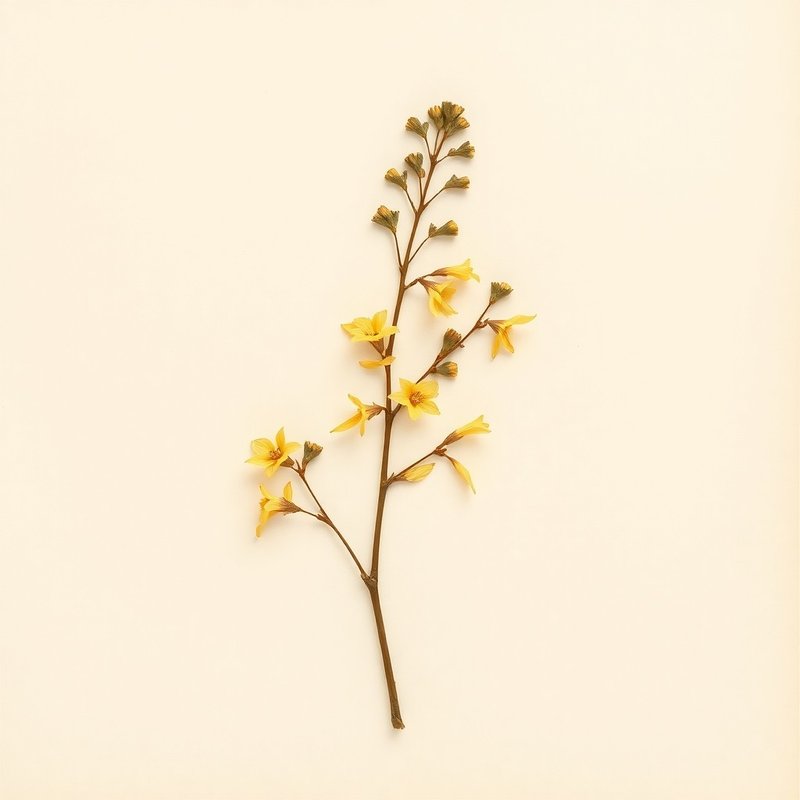
Pl. ADB5 — Forsythia suspensa
Forsythia suspensaForsythia suspensaForsythia suspensaForsythia suspensaForsythia suspensaForsythia suspensaForsythia suspensaForsythia suspensaForsythia suspensaForsythia suspensaForsythia suspensaForsythia suspensaForsythia suspensaForsythia suspensa
IOverview
Overview
Lian Qiao, also known as Forsythia suspensa, is a deciduous shrub native to the central and southern regions of China, specifically in areas such as China North-Central, South-Central, and Southeast. This plant thrives in moist soils with a pH range of 5 to 7.5, making it adaptable to various soil types including light (sandy), medium, and heavy (clay). Lian Qiao prefers full sun to partial shade and can grow up to 5 meters tall as a shrub with rapid growth habits. The distinctive golden-yellow flowers that bloom before the leaves appear are a striking feature of this plant, adding vibrant color to landscapes. Its ornamental value makes it a popular choice among gardeners for espalier or ground cover purposes. Additionally, Lian Qiao is known for its edible leaves, which can be used in traditional Chinese cuisine. The shrub's multiple stems and rapid growth rate contribute to its versatility in landscaping. Lian Qiao has been introduced into various regions including Arkansas, Bulgaria, Czechoslovakia, Illinois, Japan, Kansas, Kentucky, Korea, Maryland, Montana, New York, Romania, Spain, Utah, Washington, and others. While primarily ornamental and edible, Lian Qiao is not known for medicinal uses. However, it is important to handle the plant with care as some parts may contain compounds that could be harmful if ingested improperly or in large quantities.
Quick answers
What is Lian Qiao?
Lian Qiao, also known as Forsythia suspensa, is a deciduous shrub native to the central and southern regions of China, specifically in areas such as China North-Central, South-Central, and Southeast. This plant thrives in moist soils with a pH range of 5 to 7.
Growingconditions · propagation · uses
VCultivation
Cultivation
Lian Qiao thrives in full sun to partial shade and prefers moist, well-drained soils that are light (sandy), medium, or heavy (clay). It is hardy in zones 5-8 and can grow up to 5 meters tall as a shrub. For best results, maintain a soil pH between 5 and 7.5. Propagation can be done through cuttings or division. The edible parts include the leaves, which are native to China's north-central, south-central, and southeast regions.
Light
Full sun, Partial sun/shade, Full shade
Water
Moist
Soil
Light (sandy), Medium, Heavy (clay)
Hardiness
5-8
Habit
Shrub
Mature size
5.0 m tall
Soil pH
5–7.5
For first-time growers
How to grow Lian Qiao for the first time
8steps
Start with a simple shrub that thrives in full sun and well-drained soil.
- 1
What you'll need
Lian Qiao plant, garden gloves, spade or trowel.
- 2
Best time to plant
Plant Lian Qiao in early spring or late fall when the weather is cooler.
- 3
Soil and container prep
Ensure soil is well-draining with a pH between 5 and 7.5, and prepare a hole twice as wide but not deeper than the root ball.
- 4
Sowing or transplanting
Transplant Lian Qiao from containers directly into the garden bed, ensuring roots are spread out.
- 5
First two weeks
Water regularly to keep soil moist and mulch around the base to retain moisture.
- 6
Ongoing care
Forsythia prefers full sun but can tolerate partial shade. Water when dry, especially in hot weather.
- 7
Harvest or pruning
Prune after flowering to maintain shape and remove dead wood.
- 8
Common mistakes
Overwatering, planting too deep, neglecting winter protection in colder zones.
VIEdible & utility
Edible & utility
Edible parts:Leaves
Edible uses: Rutin
Other uses:EspalierGround cover
Contextrange · companions · related
VIIDistribution
3 native · 15 introduced
Distribution
3 native · 15 introducedDistribution across2 continents· 3 native· 15 introduced
Europe3 regions
introduced (3)BulgariaRomaniaSpain
Asia3 regions
native (1)China
introduced (2)JapanSouth Korea
Broader regions
introduced:Arkansas, Czechoslovakia, Illinois, Kansas, Kentucky, Maryland, Montana, New York, Utah, Washington
IXSpecimen gallery
1 image
Specimen gallery
1 imageXI
Explore further
Companion planting
Growing zone
XII
About this entry
- Last updated
- Citation
- How to cite this entry · Submit a correction
Back to the cataloguePlant id · adb5616b-ac26-441b-bf7c-223dae24cd75
Decision aid
Choosing between Lian Qiao and something else?
Continue reading
❦❦❦❦
Endpaper · archive updates
Get archive updates
Occasional email when substantial new content lands — plant profiles, seasonal growing notes, folk-remedy additions. Free, no tracking, unsubscribe anytime.
Newsletter returning soon.
We are rebuilding the update list around a lightweight editorial workflow. New dispatches will resume after the next content review cycle.