
Red Ash
Fraxinus pennsylvanica
Educational content — not medical, botanical, or professional advice. Plant identification, safety, and edibility depend on local conditions, cultivars, and correct identification. Consult a qualified botanist or forager before consuming or handling wild specimens. How we source & review →
Garden journal pausedUse profile notes below
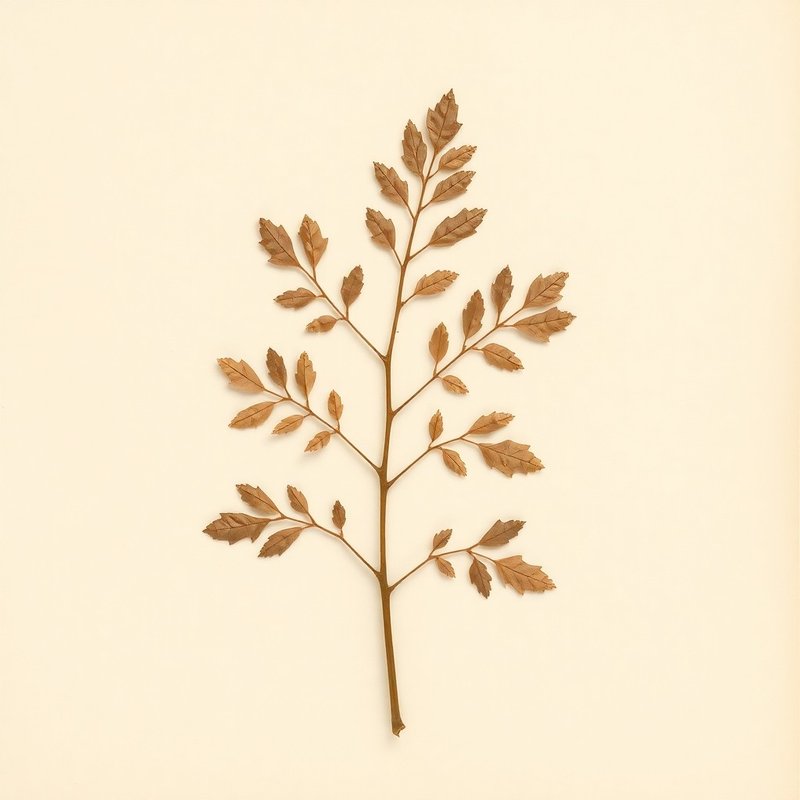
Pl. E6E1 — Fraxinus pennsylvanica
Fraxinus pennsylvanicaFraxinus pennsylvanicaFraxinus pennsylvanicaFraxinus pennsylvanicaFraxinus pennsylvanicaFraxinus pennsylvanicaFraxinus pennsylvanicaFraxinus pennsylvanicaFraxinus pennsylvanicaFraxinus pennsylvanicaFraxinus pennsylvanicaFraxinus pennsylvanicaFraxinus pennsylvanicaFraxinus pennsylvanica
IOverview
Overview
Red Ash (Fraxinus pennsylvanica) is a deciduous tree native to the eastern and central United States, ranging from Maine and Manitoba south to Florida and Texas. This species is particularly native to states such as Alabama, Arkansas, Colorado, Connecticut, Delaware, District of Columbia, Florida, and Georgia. Known for its edible inner bark, which can be consumed raw or prepared in various ways, Red Ash also serves as an ornamental tree due to its attractive foliage and vibrant fall color. This light-loving species thrives in moist, well-drained soils of medium texture, tolerating both sandy and clay conditions. It is hardy in zones 3-9 and grows up to 20 meters tall, with a growth rate classified as rapid. Red Ash is adaptable and can be found in a variety of habitats, including forests, woodlands, and along streams and rivers. Its bark, when harvested from young branches and stems, can be peeled and eaten raw or dried for later use. While it is not medicinal, Red Ash is valued for its utility in weaving material, dye, wind break, and lumber. Its introduction into regions such as Argentina Northeast, Austria, Belgium, Bulgaria, and others highlights its adaptability and potential for cultivation beyond its native range. However, it is important to note that Red Ash has the potential to become a weed in some areas.
Quick answers
What is Red Ash?
Red Ash (Fraxinus pennsylvanica) is a deciduous tree native to the eastern and central United States, ranging from Maine and Manitoba south to Florida and Texas. This species is particularly native to states such as Alabama, Arkansas, Colorado, Connecticut, Delaware, District of Columbia, Florida, and Georgia.
Growingconditions · propagation · uses
VCultivation
Cultivation
Red Ash (Fraxinus pennsylvanica) thrives in moist, well-drained soil that can be light (sandy), medium, or heavy (clay). It prefers a pH range of 5 to 8.1 and is hardy in zones 3-9, making it suitable for temperate regions. This tree requires light to moderate sunlight, with a light requirement of 7/10. For optimal growth, keep the soil consistently moist, and ensure the tree has well-draining conditions to prevent root rot. Propagate through seed or hardwood cutting. Harvest the inner bark for edible use in late summer or early fall.
Light
7/10
Water
Moist
Soil
Light (sandy), Medium, Heavy (clay)
Hardiness
3-9
Habit
Tree
Mature size
20.0 m tall
Soil pH
5–8.1
For first-time growers
How to grow Red Ash for the first time
7steps
Start with planting Red Ash in a suitable location for a rewarding beginner project.
- 1
What you'll need
Red Ash saplings, garden gloves, spade or shovel.
- 2
Best time to plant
Plant in spring after the last frost or fall before the first freeze.
- 3
Soil and container prep
Ensure soil is well-draining with a pH between 5 and 8.1; loosen the topsoil if planting in containers.
- 4
Sowing or transplanting
Transplant saplings into prepared ground, ensuring they are at the same depth as they were in their nursery pot.
- 5
First two weeks
Water regularly to keep soil moist but not waterlogged; monitor for signs of stress such as wilting.
- 6
Ongoing care
Provide regular watering, especially during dry spells. Mulch around the base to retain moisture and suppress weeds.
- 7
Harvest or pruning
Prune in late winter before new growth starts; remove dead or diseased branches.
VIEdible & utility
Edible & utility
Edible parts:Inner bark
Edible uses: The inner bark of the Red Ash (Fraxinus pennsylvanica) is edible and can be prepared in various ways. Typically, it is harvested from young branches and stems, then peeled and eaten raw or dried for later use. Skip
Other uses:Weaving materialDyeWind breakerLumber
Contextrange · companions · related
VIIDistribution
46 native · 18 introduced
Distribution
46 native · 18 introducedDistribution across2 continents· 46 native· 18 introduced
Europe10 regions
introduced (10)AustriaBelgiumBulgariaGermanyHungaryPolandRomaniaRussiaSpainUkraine
Asia2 regions
native (1)Georgia
introduced (1)South Korea
Broader regions
native:Alabama, Arkansas, Colorado, Connecticut, Delaware, District of Columbia, Florida, Illinois, Indiana, Iowa, Kansas, Kentucky, Louisiana, Maine, Manitoba, Maryland, Masachusettes, Massachusetts, Michigan, Minnesota, Mississippi, Missouri, Montana, Nebraska, New Hampshire, New Jersey, New York, North Carolina, North Dakota, Ohio, Oklahoma, Ontario, Pennsylvania, Rhode I., Saskatchewan, South Carolina, South Dakota, Tennessee, Texas, Utah, Vermont, Virginia, West Virginia, Wisconsin, Wyoming
introduced:Argentina Northeast, Czechoslovakia, New Mexico, Primorye, Yugoslavia
IXSpecimen gallery
1 image
Specimen gallery
1 imageXI
Explore further
XII
About this entry
- Last updated
- Citation
- How to cite this entry · Submit a correction
Back to the cataloguePlant id · e6e1e5b7-0022-4ee8-844c-fffcfd5fd585
Decision aid
Choosing between Red Ash and something else?
Continue reading
❦❦❦❦
Endpaper · archive updates
Get archive updates
Occasional email when substantial new content lands — plant profiles, seasonal growing notes, folk-remedy additions. Free, no tracking, unsubscribe anytime.
Newsletter returning soon.
We are rebuilding the update list around a lightweight editorial workflow. New dispatches will resume after the next content review cycle.