
Purple Fritillary
Fritillaria atropurpurea
Educational content — not medical, botanical, or professional advice. Plant identification, safety, and edibility depend on local conditions, cultivars, and correct identification. Consult a qualified botanist or forager before consuming or handling wild specimens. How we source & review →
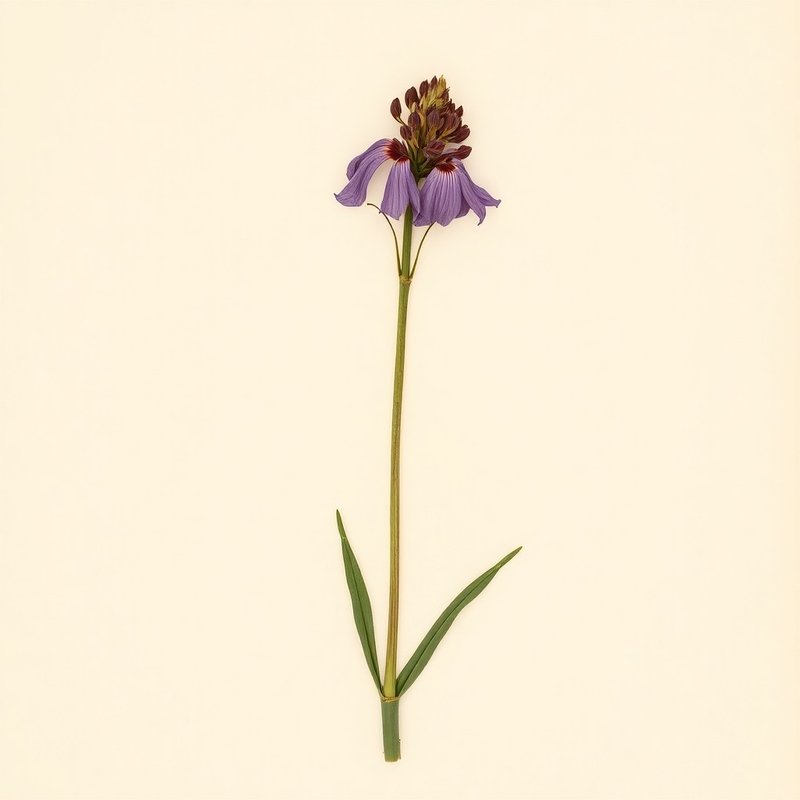
Pl. F504 — Fritillaria atropurpurea
Fritillaria atropurpureaFritillaria atropurpureaFritillaria atropurpureaFritillaria atropurpureaFritillaria atropurpureaFritillaria atropurpureaFritillaria atropurpureaFritillaria atropurpureaFritillaria atropurpureaFritillaria atropurpureaFritillaria atropurpureaFritillaria atropurpureaFritillaria atropurpureaFritillaria atropurpurea
IOverview
Overview
Purple Fritillary (Fritillaria atropurpurea) is a striking forb or herb native to the western United States, found in states such as Arizona, California, Colorado, Idaho, Montana, Nevada, New Mexico, and Wyoming. This plant thrives in full sun to partial shade, prefers dry to moist conditions, and grows best in light (sandy) to medium soil with a hardiness range of 4-8. Standing at about 0.6 meters tall, it is notable for its edible roots, making it a valuable addition to the landscape or garden. Its distinctive feature lies in its vibrant purple flowers, which add a pop of color to any setting while serving as an important food source.
Quick answers
What is Purple Fritillary?
Purple Fritillary (Fritillaria atropurpurea) is a striking forb or herb native to the western United States, found in states such as Arizona, California, Colorado, Idaho, Montana, Nevada, New Mexico, and Wyoming.
Growingconditions · propagation · uses
VCultivation
Cultivation
Purple Fritillary prefers full to partial sun and can tolerate both dry and moist conditions. It thrives in light (sandy) or medium soil types. The plant is hardy in zones 4-8 and reaches a height of about 0.6 meters. For cultivation, focus on providing well-draining soil and moderate watering, allowing the root to grow freely. Propagate via bulbs, which can be divided after flowering. This forb/herb is native to several western U.S. states and is edible, with its roots being the part used.
Light
Full sun, Partial sun/shade
Water
Dry, Moist
Soil
Light (sandy), Medium
Hardiness
4-8
Habit
Forb/herb
Mature size
0.6 m tall
For first-time growers
How to grow Purple Fritillary for the first time
8steps
Start with Purple Fritillaries to gain experience in growing bulbs, focusing on basic care and observation.
- 1
What you'll need
Purple Fritillary bulbs, a garden fork or trowel, compost.
- 2
Best time to plant
Plant in fall, after the first frost, for spring blooms.
- 3
Soil and container prep
Choose well-draining soil with plenty of organic matter. Ensure containers have drainage holes.
- 4
Sowing or transplanting
Plant bulbs 10-15 cm deep and 15 cm apart in a sunny to partially shaded spot.
- 5
First two weeks
Water sparingly if the soil is dry. Keep an eye out for pests like aphids.
- 6
Ongoing care
Water only when the soil feels very dry, and avoid overwatering. Mulch around plants to retain moisture.
- 7
Harvest or pruning
After flowering, allow foliage to yellow and die back naturally before removing it.
- 8
Common mistakes
Overwatering, planting too deep, neglecting to mulch, not providing enough sunlight, ignoring pests.
VIEdible & utility
Edible & utility
Edible parts:Root
Edible uses: The Purple Fritillary's root is edible and can be prepared in various ways. It is often used raw or cooked, providing a unique flavor to dishes. Dried roots are also common, offering a concentrated taste when rehydrated. Skip the detailed recipes; focus on these basic preparation methods for the plant’s root.
Contextrange · companions · related
VIIDistribution
13 native · 0 introduced
Distribution
13 native · 0 introducedDistribution across0 continents· 13 native
Broader regions
native:Arizona, California, Colorado, Idaho, Montana, Nebraska, Nevada, New Mexico, North Dakota, Oregon, South Dakota, Utah, Wyoming
IXSpecimen gallery
1 image
Specimen gallery
1 imageXI
Explore further
Companion planting
Growing zone
XII
About this entry
- Last updated
- Citation
- How to cite this entry · Submit a correction
Back to the cataloguePlant id · f5041dfc-3b83-41d4-a437-3f303244f626
Decision aid
Choosing between Purple Fritillary and something else?
Continue reading
❦❦❦❦
Endpaper · archive updates
Get archive updates
Occasional email when substantial new content lands — plant profiles, seasonal growing notes, folk-remedy additions. Free, no tracking, unsubscribe anytime.