
Kamchatka Lily
IOverview
Overview
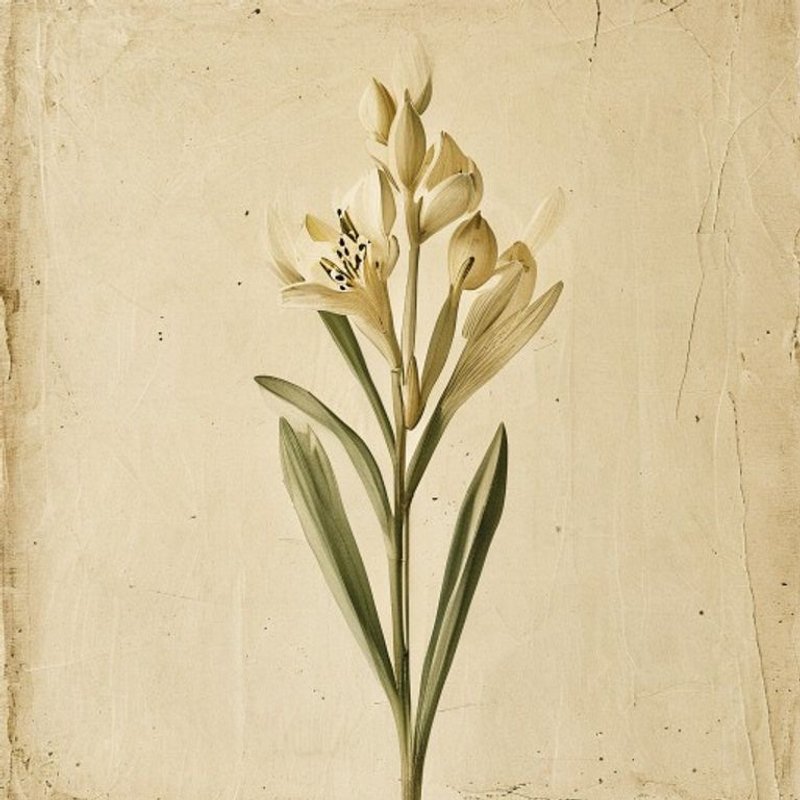
Kamchatka Lily (Fritillaria camschatcensis) is a perennial herb belonging to the Liliaceae family, native to the coastal regions of North America and Asia. It can be found in Alaska, British Columbia, Oregon, and parts of Japan and Russia, including Kamchatka and Primorye. This plant thrives in moist, light (sandy) or medium soil and prefers partial sun to full sun exposure. Known for its edible root and seedpod, it has been utilized by local communities for culinary purposes. The Kamchatka Lily typically reaches a height of about 0.5 meters and is hardy in zones 4-8. Its distinctive features include its native range, which spans from the northern coasts of North America to eastern Russia, and its ability to grow in a variety of coastal environments. For cultivation, the root and seedpod can be used for propagation. This plant is well-suited for gardens and landscapes where it can add a touch of fragrance and a unique presence.
What is Kamchatka Lily?
Kamchatka Lily (Fritillaria camschatcensis) is a perennial herb belonging to the Liliaceae family, native to the coastal regions of North America and Asia. It can be found in Alaska, British Columbia, Oregon, and parts of Japan and Russia, including Kamchatka and Primorye.
VCultivation
Cultivation
How to grow Kamchatka Lily for the first time
Start with Kamchatka Lily to experience growing bulbs, even if you're a beginner.
- 1
What you'll need
Kamchatka Lily bulbs or seeds, potting soil, container, watering can.
- 2
Best time to plant
Plant in late summer to early fall for best results.
- 3
Soil and container prep
Use a well-draining mix with light sand. Ensure the container has drainage holes.
- 4
Sowing or transplanting
Place bulbs 2-3 times their height deep in soil, pointed end up. For seeds, sow shallowly and keep moist.
- 5
First two weeks
Water sparingly to avoid rotting the bulb. Keep the container cool and dark until sprouts appear.
- 6
Ongoing care
Provide partial shade in summer. Water when soil feels dry, but avoid overwatering. Fertilize lightly once a year.
- 7
Harvest or pruning
After flowering, allow the foliage to yellow and die back naturally before cutting it down. Do not dig up bulbs.
- 8
Common mistakes
Planting too deep, overwatering, neglecting to provide partial shade, forgetting to wait for natural leaf death.
VIEdible & utility
Edible & utility
VIIDistribution
13 native · 0 introduced
Distribution
13 native · 0 introducedIXSpecimen gallery
1 image
Specimen gallery
1 imageXSee also
8 related
See also
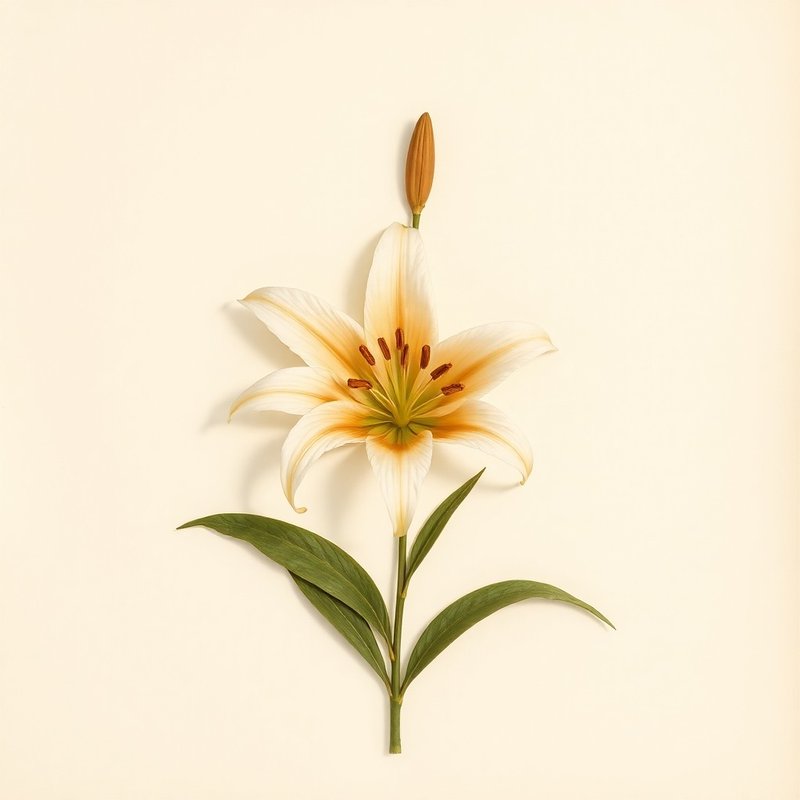
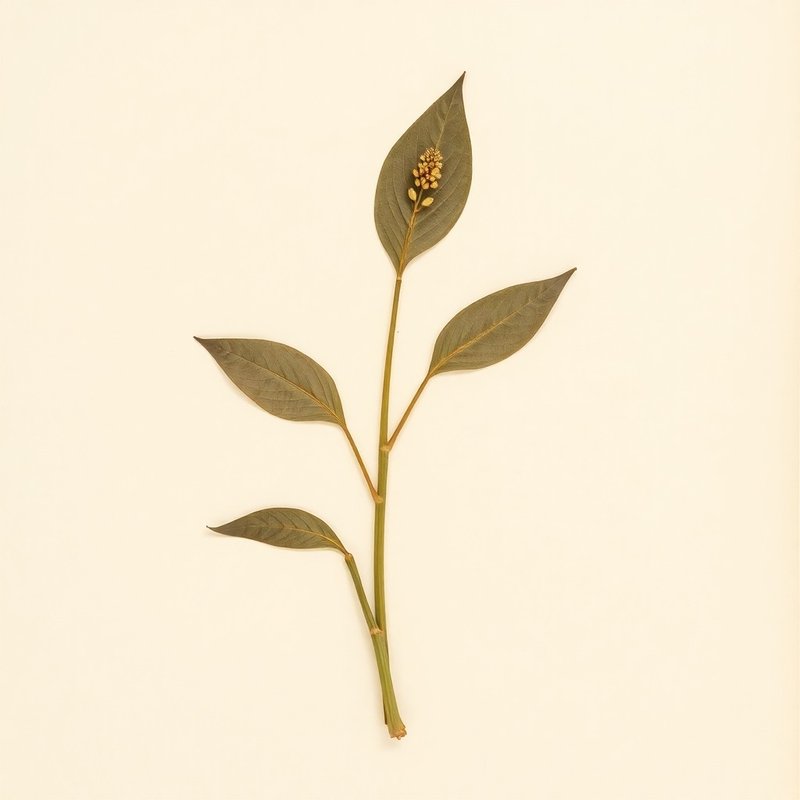
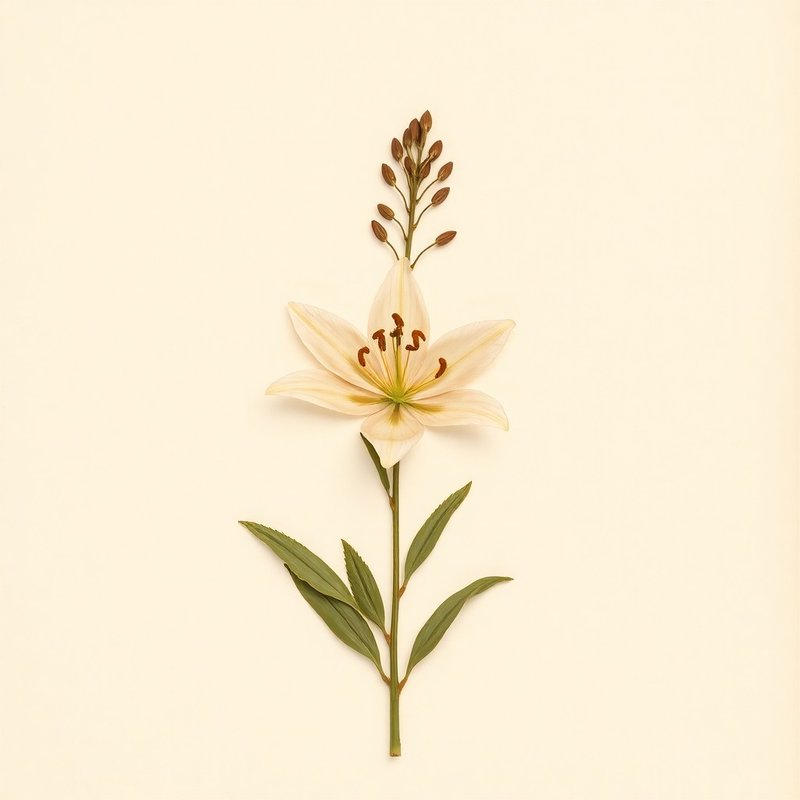
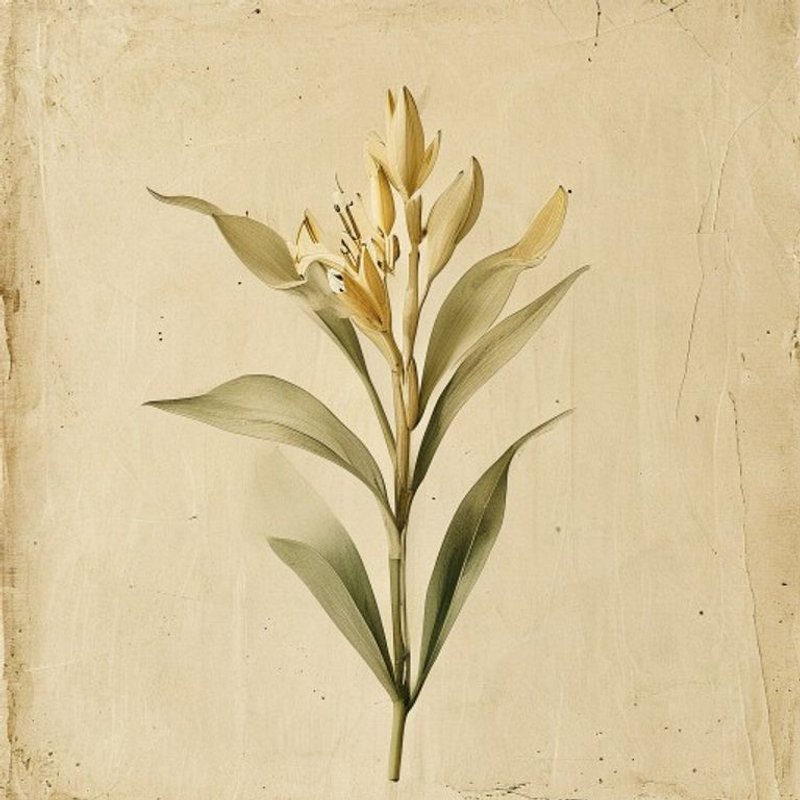
8 relatedPlants you might compare or use together — scored by shared family (Liliaceae), common use cases, and growing requirements.

Explore further
About this entry
- Last updated
- Citation
- How to cite this entry · Submit a correction
Continue reading
Get archive updates
Occasional email when substantial new content lands — plant profiles, seasonal growing notes, folk-remedy additions. Free, no tracking, unsubscribe anytime.