
Crown Imperial
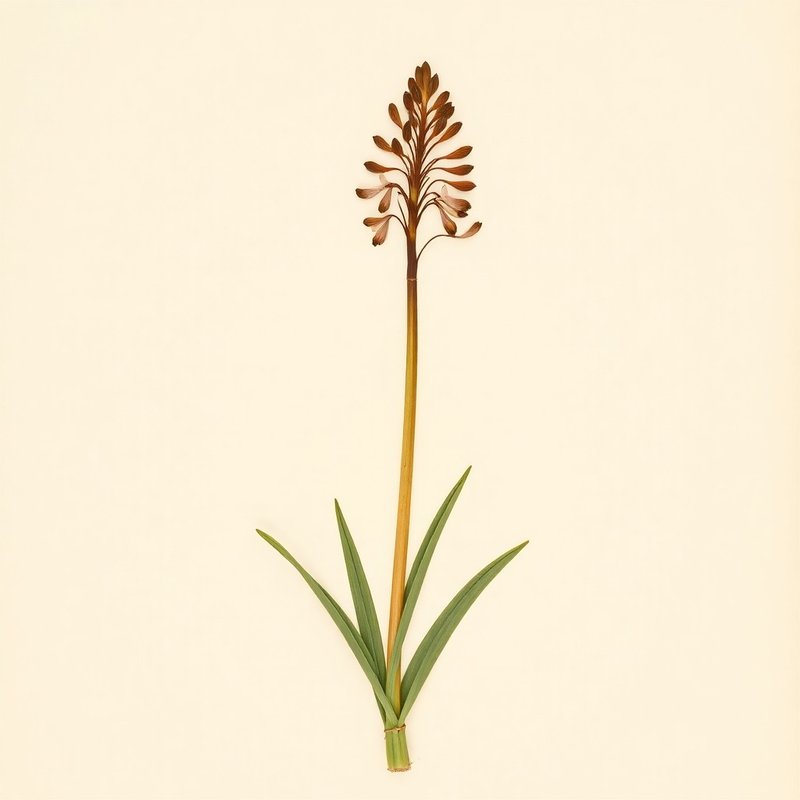
IOverview
Overview
Crown Imperial (Fritillaria imperialis) is a striking bulbous plant native to Afghanistan, Iran, Iraq, Pakistan, Turkey, and the West Himalaya. Known for its ornamental value, this plant also has edible roots that can be consumed. The plant thrives in full sun to partial shade and prefers moist to dry conditions with medium to heavy (clay) soil. It is hardy in zones 7-9 and grows to a height of about 1 meter. Its distinctive feature includes large, showy orange or yellow flowers with black spots at the base, making it a popular addition to gardens despite its bulb being used for culinary purposes. The roots can be prepared in various ways, often used raw or cooked, though they may require peeling before consumption due to their tough outer layer. Drying the roots is another method of preparation, which helps preserve them for later use. Crown Imperials are introduced into Austria and Bulgaria, adding to their global appeal. While the plant is not medicinal, its roots are edible and can be used in various culinary applications. Crown Imperials thrive in a temperate climate and can adapt to various soil types as long as drainage is adequate.
What is Crown Imperial?
Crown Imperial (Fritillaria imperialis) is a striking bulbous plant native to Afghanistan, Iran, Iraq, Pakistan, Turkey, and the West Himalaya. Known for its ornamental value, this plant also has edible roots that can be consumed.
VCultivation
Cultivation
How to grow Crown Imperial for the first time
Start with Crown Imperials to add a striking presence in your garden, suitable for beginners.
- 1
What you'll need
Crown Imperial bulbs and well-draining soil.
- 2
Best time to plant
Plant in autumn, about 6-8 weeks before the first frost.
- 3
Soil and container prep
Choose a spot with full sun or partial shade. Ensure the soil is well-draining and rich in organic matter.
- 4
Sowing or transplanting
Plant bulbs 10-15 cm deep, spacing them about 20 cm apart.
- 5
First two weeks
Water sparingly to avoid rot. Keep the soil slightly moist but not waterlogged.
- 6
Ongoing care
Water during dry spells and mulch around the base for moisture retention. Fertilize once in spring with a balanced fertilizer.
- 7
Harvest or pruning
After flowering, cut back spent flower stems but leave foliage to gather energy for next year's blooms.
VIEdible & utility
Edible & utility
VIIDistribution
6 native · 2 introduced
Distribution
6 native · 2 introducedIXSpecimen gallery
1 image
Specimen gallery
1 imageExplore further
About this entry
- Last updated
- Citation
- How to cite this entry · Submit a correction
Continue reading
Get archive updates
Occasional email when substantial new content lands — plant profiles, seasonal growing notes, folk-remedy additions. Free, no tracking, unsubscribe anytime.