
Fuchsia fulgens
IOverview
Overview
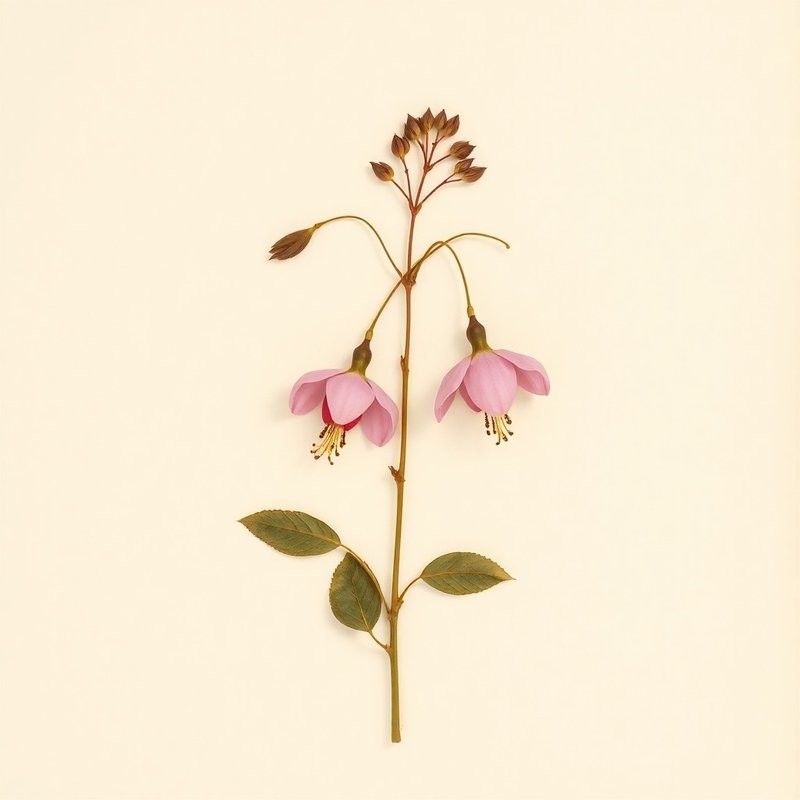
Fuchsia fulgens, commonly known as Fuchsia fulgens, is a vibrant flowering shrub native to the central and southwest regions of Mexico. This deciduous shrub thrives in partial sun or shade with moist soil that can be light (sandy), medium, or heavy (clay). It is hardy in USDA zones 9-11 and reaches a height of about 1.2 meters. While primarily known for its ornamental value, Fuchsia fulgens also offers edible fruit. Its distinctive features include striking pink to purple flowers that bloom throughout the growing season, adding color to any garden or landscape. The fruit, though edible, has no specific culinary uses beyond being enjoyed as a fresh treat. This plant is well-suited for gardens and landscapes in its native range and can be propagated through cuttings for best results.
What is Fuchsia fulgens?
Fuchsia fulgens, commonly known as Fuchsia fulgens, is a vibrant flowering shrub native to the central and southwest regions of Mexico. This deciduous shrub thrives in partial sun or shade with moist soil that can be light (sandy), medium, or heavy (clay).
VCultivation
Cultivation
How to grow Fuchsia fulgens for the first time
Start with Fuchsia fulgens for a low-maintenance, colorful addition to your garden.
- 1
What you'll need
Seeds or small plants, potting soil, containers or garden space.
- 2
Best time to plant
Plant in spring after the last frost, or start seeds indoors a month before planting outdoors.
- 3
Soil and container prep
Use well-draining soil with some sand for better drainage. Ensure containers have holes for water to escape.
- 4
Sowing or transplanting
Start seeds indoors in small pots, then transplant them outside when they are about 10 cm tall.
- 5
First two weeks
Keep the soil moist and place the plant in a partially shaded area to acclimate it to outdoor conditions.
- 6
Ongoing care
Water regularly, especially during dry spells. Provide partial shade to avoid scorching leaves. Fertilize every 4-6 weeks with a balanced liquid fertilizer.
- 7
Harvest or pruning
Prune lightly in late winter to encourage new growth and maintain shape. Remove dead flowers to promote more blooms.
- 8
Common mistakes
Overwatering, planting in full sun, neglecting to prune, using heavy soil that doesn't drain well, and not providing enough nutrients.
VIEdible & utility
Edible & utility
VIIDistribution
2 native · 0 introduced
Distribution
2 native · 0 introducedIXSpecimen gallery
1 image
Specimen gallery
1 imageExplore further
About this entry
- Last updated
- Citation
- How to cite this entry · Submit a correction
Continue reading
Get archive updates
Occasional email when substantial new content lands — plant profiles, seasonal growing notes, folk-remedy additions. Free, no tracking, unsubscribe anytime.