
Blanket Flower
IOverview
Overview
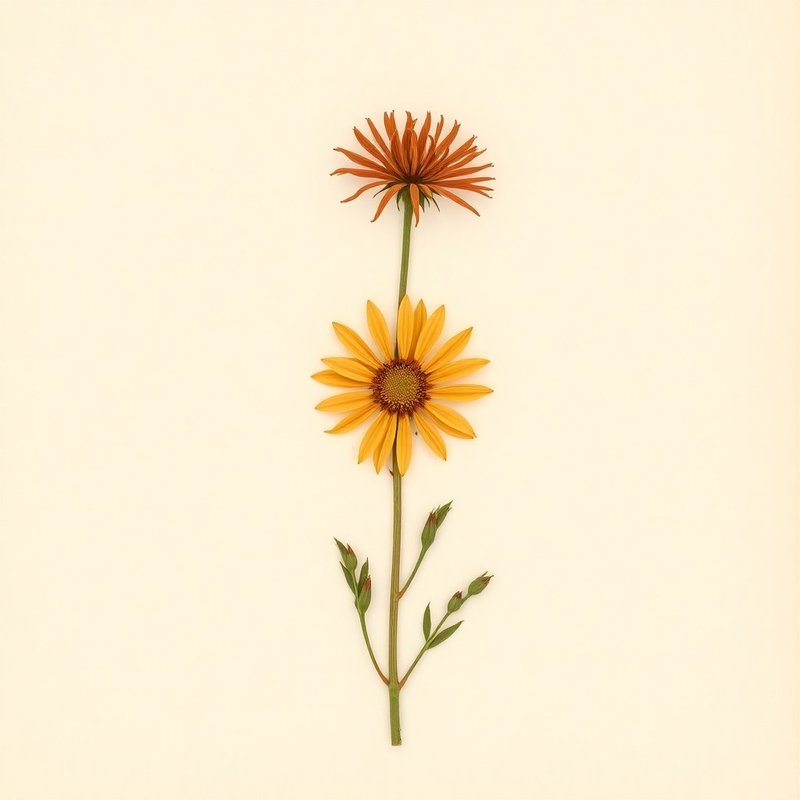
Blanket Flower (Gaillardia pinnatifida) is a vibrant perennial subshrub or herb, known for its striking orange and red blooms, which resemble blankets spread over the ground, hence its common name. Native to regions including Arizona, Colorado, Nevada, New Mexico, Oklahoma, Texas, and parts of northern and northeastern Mexico, this plant thrives in full sun to partial shade with moist soil that can be light (sandy), medium, or heavy (clay). It is hardy in zones 7-10 and reaches a height of about 40 cm. Blanket Flower is not only ornamental, adding splashes of color to gardens, but also edible. Its seeds are the part used for consumption, being both nutritious and flavorful. They can be consumed raw or lightly toasted and add a nutty taste to salads or can be ground into flour for baking. However, it is important to note that while the plant is safe for consumption, it should be enjoyed in moderation and with caution. This versatile plant is well-suited for gardens and landscapes, providing both aesthetic appeal and culinary benefits. Its hardiness and adaptability make it a valuable addition to any garden in its native regions and beyond.
What is Blanket Flower?
Blanket Flower (Gaillardia pinnatifida) is a vibrant perennial subshrub or herb, known for its striking orange and red blooms, which resemble blankets spread over the ground, hence its common name.
VCultivation
Cultivation
How to grow Blanket Flower for the first time
Start with planting Blanket Flower in a sunny spot, and you'll have a low-maintenance addition to your garden.
- 1
What you'll need
Seeds or seedlings, a trowel, compost, mulch.
- 2
Best time to plant
Plant in spring after the last frost or in fall before the first freeze.
- 3
Soil and container prep
Choose a well-draining soil with a pH between 6.0 and 7.5; amend as needed.
- 4
Sowing or transplanting
Direct sow seeds in the garden after danger of frost is past, or start indoors 4-6 weeks before planting outside.
- 5
First two weeks
Water regularly to keep soil moist; mulch around plants to retain moisture and suppress weeds.
- 6
Ongoing care
Water deeply once a week during dry periods, prune dead flowers to encourage more blooms.
- 7
Harvest or pruning
Prune back after flowering to maintain shape; cut down to 10 cm (4 inches) above ground level.
- 8
Common mistakes
Overwatering, planting in heavy soil, neglecting deadheading.
VIEdible & utility
Edible & utility
VIIDistribution
9 native · 0 introduced
Distribution
9 native · 0 introducedIXSpecimen gallery
1 image
Specimen gallery
1 imageExplore further
About this entry
- Last updated
- Citation
- How to cite this entry · Submit a correction
Continue reading
Get archive updates
Occasional email when substantial new content lands — plant profiles, seasonal growing notes, folk-remedy additions. Free, no tracking, unsubscribe anytime.