
Galactites tomentosa
IOverview
Overview
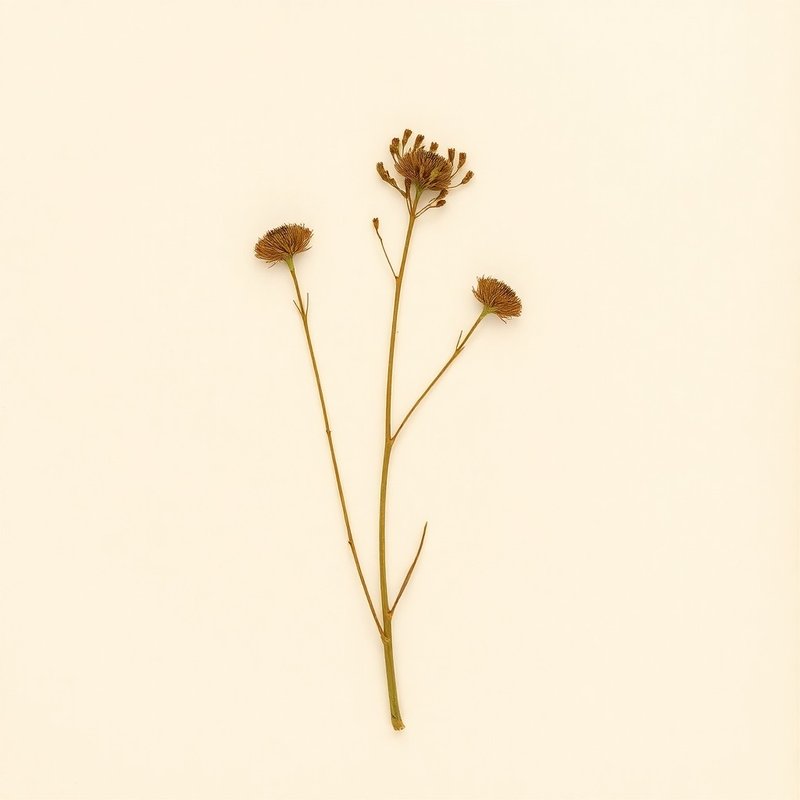
Galactites tomentosa, commonly known as woolly milkpea, is an annual or biennial plant native to regions in Argentina, Bolivia, Brazil, and the Bahamas. This hardy plant thrives in full sun and can tolerate both dry and moist conditions, making it adaptable to various soil types, including light (sandy), medium, and heavy (clay). Standing at about 0.5 meters tall, Galactites tomentosa is known for its edible parts—leaves, shoots, and stems—which are often utilized in culinary applications. The distinctive feature of this plant is its woolly texture, due to the dense covering of fine hairs on its leaves and stems, providing it with a soft touch and visual appeal. The plant can be propagated by seeds and is hardy in temperate regions. While not medicinal, its edible parts can be eaten raw or cooked and may also be dried for later use.
What is Galactites tomentosa?
Galactites tomentosa, commonly known as woolly milkpea, is an annual or biennial plant native to regions in Argentina, Bolivia, Brazil, and the Bahamas.
VCultivation
Cultivation
How to grow Galactites tomentosa for the first time
Start with Galactites tomentosa by planting it in a sunny spot and providing basic care.
- 1
What you'll need
Seeds or young plants, potting soil, containers if needed.
- 2
Best time to plant
Plant in spring after the last frost when temperatures are mild.
- 3
Soil and container prep
Use well-draining soil; mix sand with regular potting soil for containers.
- 4
Sowing or transplanting
Direct sow seeds 0.5 m apart in the garden or transplant young plants into prepared soil.
- 5
First two weeks
Water sparingly to keep soil moist but not soggy; avoid overwatering.
- 6
Ongoing care
Provide full sun and water only when the soil is dry. Prune occasionally for shape.
- 7
Harvest or pruning
Prune stems and leaves as needed to maintain plant health and appearance.
- 8
Common mistakes
Overwatering, planting in heavy clay soil, neglecting sun exposure.
VIEdible & utility
Edible & utility
VIIDistribution
42 native · 0 introduced
Distribution
42 native · 0 introducedIXSpecimen gallery
1 image
Specimen gallery
1 imageExplore further
About this entry
- Last updated
- Citation
- How to cite this entry · Submit a correction
Continue reading
Get archive updates
Occasional email when substantial new content lands — plant profiles, seasonal growing notes, folk-remedy additions. Free, no tracking, unsubscribe anytime.