
Large Flowered Hemp Nettle
IOverview
Overview
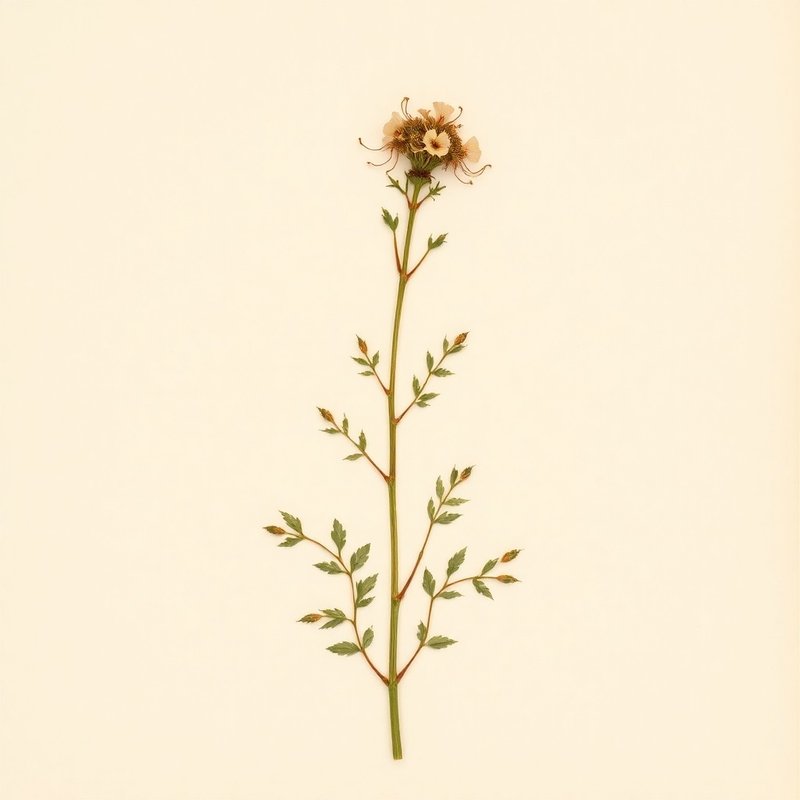
The Large Flowered Hemp Nettle (Galeopsis speciosa) is a hardy annual herb that thrives in various soils, including light (sandy), medium, and heavy (clay) types, with an optimal pH range of 5.5 to 6.5. Native to regions across Europe such as Albania, Austria, Belarus, Belgium, Bulgaria, and parts of Russia, this plant has also been introduced to areas like Alberta, Canada, and Sakhalin in Asia. It grows up to one meter tall in diverse habitats including meadows and ditches. This herb is known for its edible properties, particularly the oil it produces. The Large Flowered Hemp Nettle features large, showy flowers that give it its common name, making it a visually striking addition to gardens or natural landscapes. Its light requirement of 7/10 indicates it prefers moderate sunlight but can tolerate partial shade. While primarily used for its edible and ornamental value, the plant's cultivation is straightforward; sow seeds directly in the garden after the last frost. Given its native range across Europe, this herb is hardy in temperate regions but may require protection in colder climates. Regular watering during dry periods ensures optimal growth conditions.
What is Large Flowered Hemp Nettle?
The Large Flowered Hemp Nettle (Galeopsis speciosa) is a hardy annual herb that thrives in various soils, including light (sandy), medium, and heavy (clay) types, with an optimal pH range of 5.5 to 6.5.
VCultivation
Cultivation
How to grow Large Flowered Hemp Nettle for the first time
Start with Large Flowered Hemp Nettle to gain experience in growing herbs and perennials.
- 1
What you'll need
Seeds or seedlings, a garden fork, compost, and a trowel.
- 2
Best time to plant
Plant seeds outdoors after the last frost in spring or start seedlings indoors 4-6 weeks before planting out.
- 3
Soil and container prep
Choose a spot with partial shade to full sun. Amend soil with compost for rich, well-draining conditions between pH 5.5–6.5.
- 4
Sowing or transplanting
Direct sow seeds 1 cm deep and 30-45 cm apart. Transplant seedlings when they have two sets of true leaves.
- 5
First two weeks
Water regularly to keep the soil moist but not waterlogged. Monitor for pests like aphids.
- 6
Ongoing care
Keep weeds at bay and provide regular watering, especially during dry spells. Stake taller plants if needed.
- 7
Harvest or pruning
Prune back after flowering to encourage more blooms and prevent self-seeding.
- 8
Common mistakes
Overwatering, planting in heavy clay soil, neglecting to stake tall plants, and not removing spent flowers.
VIEdible & utility
Edible & utility
VIIDistribution
31 native · 11 introduced
Distribution
31 native · 11 introducedIXSpecimen gallery
1 image
Specimen gallery
1 imageExplore further
About this entry
- Last updated
- Citation
- How to cite this entry · Submit a correction
Continue reading
Get archive updates
Occasional email when substantial new content lands — plant profiles, seasonal growing notes, folk-remedy additions. Free, no tracking, unsubscribe anytime.