
Gallant Soldier
Galinsoga parviflora
Educational content — not medical, botanical, or professional advice. Plant identification, safety, and edibility depend on local conditions, cultivars, and correct identification. Consult a qualified botanist or forager before consuming or handling wild specimens. How we source & review →
Garden journal pausedUse profile notes below
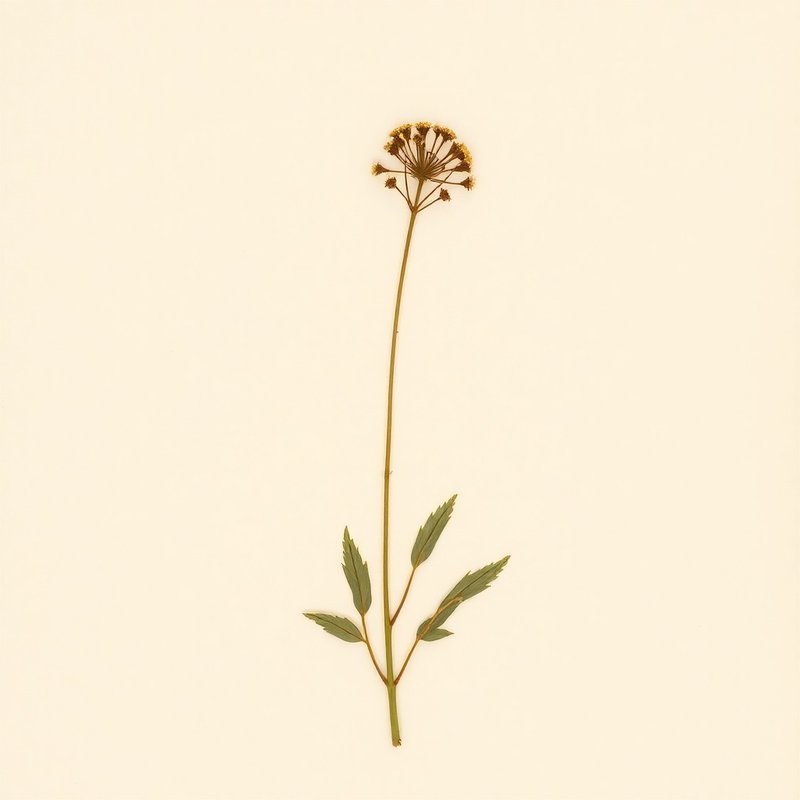
Pl. A18C — Galinsoga parviflora
Galinsoga parvifloraGalinsoga parvifloraGalinsoga parvifloraGalinsoga parvifloraGalinsoga parvifloraGalinsoga parvifloraGalinsoga parvifloraGalinsoga parvifloraGalinsoga parvifloraGalinsoga parvifloraGalinsoga parvifloraGalinsoga parvifloraGalinsoga parvifloraGalinsoga parviflora
IOverview
Overview
Gallant Soldier (Galinsoga parviflora) is an annual forb/herb that thrives in a wide range of South American countries including Argentina, Bolivia, Brazil, Chile, Colombia, and Peru, as well as parts of Mexico and the Caribbean. Native to diverse habitats from central Chile to the Caribbean, this plant can be found growing across regions such as Argentina Northeast, Argentina Northwest, Argentina South, Bolivia, Brazil South, Brazil Southeast, Chile Central, Chile North, Chile South, Colombia, Costa Rica, Dominican Republic, Ecuador, El Salvador, Haiti, Jamaica, Juan Fernández Is., Leeward Is., Mexico Central, Mexico Gulf, Mexico Northeast, Mexico Northwest, Mexico Southeast, Mexico Southwest, New Mexico, Paraguay, Peru, Puerto Rico, Uruguay, Venezuela, and Windward Is. Known for its edible flowers, leaves, shoots, and stems, Gallant Soldier can be cultivated in light (sandy), medium, or heavy (clay) soil types with a pH range of 5.5 to 6.5, thriving best in moist conditions. This plant reaches up to 0.6 meters in height and is adaptable to various growing contexts, making it both ornamental and useful for culinary purposes. Its flowers are white or yellow, adding a vibrant touch to any garden setting. For cultivation, focus on keeping the soil consistently moist but avoid overwatering to prevent root rot. Propagate through seeds sown directly in the garden after all danger of frost has passed. Harvest edible parts such as flowers, leaves, shoots, and stems throughout the growing season. While Gallant Soldier is generally hardy in similar climates to its native range, it should be noted that this plant can have weed potential when introduced into new regions outside its natural habitat.
Quick answers
What is Gallant Soldier?
Gallant Soldier (Galinsoga parviflora) is an annual forb/herb that thrives in a wide range of South American countries including Argentina, Bolivia, Brazil, Chile, Colombia, and Peru, as well as parts of Mexico and the Caribbean.
Growingconditions · propagation · uses
VCultivation
Cultivation
Gallant Soldier thrives in light to medium soils with a pH between 5.5 and 6.5, making it adaptable but preferring well-draining conditions. It requires moist soil and can handle both sandy and clay-heavy soils. This annual plant prefers full sun to partial shade and grows up to 0.6 meters tall. For cultivation, focus on keeping the soil consistently moist; however, avoid overwatering as this can lead to root rot. Propagate through seeds sown directly in the garden after all danger of frost has passed. Harvest edible parts such as flowers, leaves, shoots, and stems throughout the growing season. Given its native range across various temperate regions, it is generally hardy in similar climates.
Light
7/10
Water
Moist
Soil
Light (sandy), Medium, Heavy (clay)
Life cycle
Annual
Habit
Forb/herb
Mature size
0.6 m tall
Soil pH
5.5–6.5
For first-time growers
How to grow Gallant Soldier for the first time
8steps
Start with Gallant Soldier as a simple, low-maintenance addition to your garden.
- 1
What you'll need
Seeds or seedlings, a small trowel, and a watering can.
- 2
Best time to plant
Plant in spring after the last frost, when temperatures are mild.
- 3
Soil and container prep
Choose a spot with light to medium soil that drains well. Ensure the pH is between 5.5 and 6.5.
- 4
Sowing or transplanting
Direct sow seeds in the ground, covering them lightly. Alternatively, plant seedlings about 30 cm apart.
- 5
First two weeks
Water regularly to keep soil moist but not waterlogged. Monitor for pests and diseases.
- 6
Ongoing care
Provide light watering as needed, especially during dry spells. Remove any weeds that compete with the plant.
- 7
Harvest or pruning
Prune regularly to encourage bushy growth and prevent the plant from going to seed.
- 8
Common mistakes
Overwatering, planting in heavy clay soil, neglecting regular pruning, and not removing weeds.
VIEdible & utility
Edible & utility
Edible parts:FlowersLeavesShootsStem
Edible uses: Condiment, Drink
Contextrange · companions · related
VIIDistribution
31 native · 144 introduced
Distribution
31 native · 144 introducedDistribution across4 continents· 31 native· 144 introduced
Europe24 regions
introduced (24)AlbaniaAustriaBelarusBelgiumBulgariaDenmarkFinlandFranceGermanyGreeceHungaryIrelandItalyNetherlandsNorwayPolandPortugalRomaniaRussiaSpainSwedenSwitzerlandUkraineUnited Kingdom
Asia19 regions
introduced (19)ChinaIndiaIranJapanKazakhstanMyanmarNepalPakistanPalestinePhilippinesSouth KoreaSri LankaTaiwanThailandTurkeyTurkmenistanUzbekistanVietnamYemen
Americas14 regions
native (13)BoliviaColombiaCosta RicaDominican RepublicEcuadorEl SalvadorHaitiJamaicaParaguayPeruPuerto RicoUruguayVenezuela
introduced (1)United States
Africa19 regions
introduced (19)AngolaBeninBotswanaCabo VerdeCameroonDjiboutiEritreaEswatiniEthiopiaLesothoLibyaMadagascarMauritiusMozambiqueNamibiaSudanTunisiaZambiaZimbabwe
Broader regions
native:Argentina Northeast, Argentina Northwest, Argentina South, Brazil South, Brazil Southeast, Chile Central, Chile North, Chile South, Juan Fernández Is., Leeward Is., Mexico Central, Mexico Gulf, Mexico Northeast, Mexico Northwest, Mexico Southeast, Mexico Southwest, New Mexico, Windward Is.
introduced:Altay, Amur, Arizona, Baltic States, British Columbia, California, Cape Provinces, Chatham Is., Colorado, Connecticut, Czechoslovakia, District of Columbia, East Aegean Is., East Himalaya, Free State, Gulf of Guinea Is., Illinois, Indiana, Iowa, Jawa, Kansas, Kentucky, Khabarovsk, Kirgizstan, Kuril Is., KwaZulu-Natal, Laccadive Is., Malaya, Manitoba, Maryland, Masachusettes, Massachusetts, Michigan, Minnesota, Missouri, Nebraska, New Brunswick, New Guinea, New Jersey, New South Wales, New York, Norfolk Is., North Dakota, Northern Provinces, Ohio, Ontario, Oregon, Pennsylvania, Primorye, Québec, Queensland, Réunion, Rhode I., South Australia, Tadzhikistan, Tasmania, Texas, Transcaucasus, Tubuai Is., Turkey-in-Europe, Vermont, Victoria, Virginia, West Himalaya, West Virginia, Western Australia, Wisconsin, Yugoslavia, Zaïre
IXSpecimen gallery
1 image
Specimen gallery
1 imageXI
Explore further
Companion planting
XII
About this entry
- Last updated
- Citation
- How to cite this entry · Submit a correction
Back to the cataloguePlant id · a18c5449-00a9-4393-876e-f96c60fa3bed
Decision aid
Choosing between Gallant Soldier and something else?
Continue reading
❦❦❦❦
Endpaper · archive updates
Get archive updates
Occasional email when substantial new content lands — plant profiles, seasonal growing notes, folk-remedy additions. Free, no tracking, unsubscribe anytime.
Newsletter returning soon.
We are rebuilding the update list around a lightweight editorial workflow. New dispatches will resume after the next content review cycle.