
White Waxberry
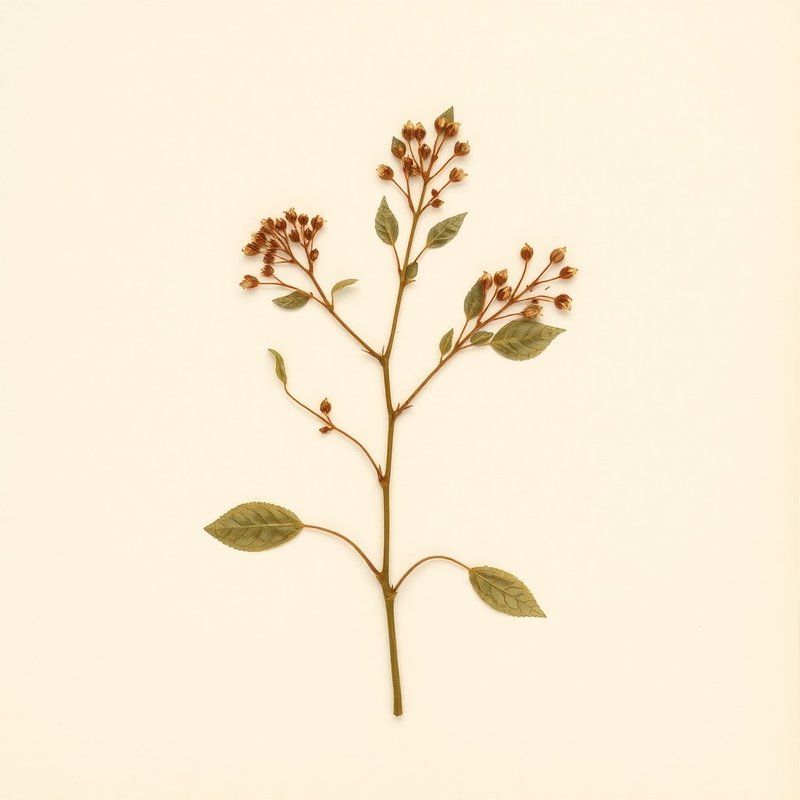
IOverview
Overview
White Waxberry, known botanically as Gaultheria appressa, is a shrub native to the eastern Australian states of New South Wales and Victoria. This plant thrives in moist, light (sandy) to medium soils and prefers partial sun to full sun exposure. Growing up to 2 meters tall, it is valued for its edible fruit, which can be enjoyed fresh or used in various culinary applications. Its native range and adaptability make White Waxberry a notable addition to gardens and landscapes in similar climates. One distinctive feature of this plant is its light requirement, as it can tolerate both full sun and partial shade, providing flexibility in planting locations.
What is White Waxberry?
White Waxberry, known botanically as Gaultheria appressa, is a shrub native to the eastern Australian states of New South Wales and Victoria. This plant thrives in moist, light (sandy) to medium soils and prefers partial sun to full sun exposure.
VCultivation
Cultivation
How to grow White Waxberry for the first time
Start with a simple and low-maintenance approach to growing White Waxberry.
- 1
What you'll need
A young White Waxberry plant, well-draining soil, and a container or garden bed.
- 2
Best time to plant
Plant in spring when the weather starts warming up.
- 3
Soil and container prep
Ensure the soil is light (sandy) with good drainage. For containers, use a mix of peat moss and perlite.
- 4
Sowing or transplanting
Transplant young plants from a nursery into your garden or pot.
- 5
First two weeks
Water the plant regularly to keep the soil moist but not waterlogged. Avoid direct sunlight for the first few days.
- 6
Ongoing care
Provide partial shade and regular watering, especially during dry spells. Prune lightly in late winter to maintain shape.
- 7
Harvest or pruning
Prune the plant in late winter to encourage new growth and maintain its size.
VIEdible & utility
Edible & utility
VIIDistribution
2 native · 0 introduced
Distribution
2 native · 0 introducedIXSpecimen gallery
1 image
Specimen gallery
1 imageExplore further
About this entry
- Last updated
- Citation
- How to cite this entry · Submit a correction
Continue reading
Get archive updates
Occasional email when substantial new content lands — plant profiles, seasonal growing notes, folk-remedy additions. Free, no tracking, unsubscribe anytime.