
Gaultheria pyroliifolia
IOverview
Overview
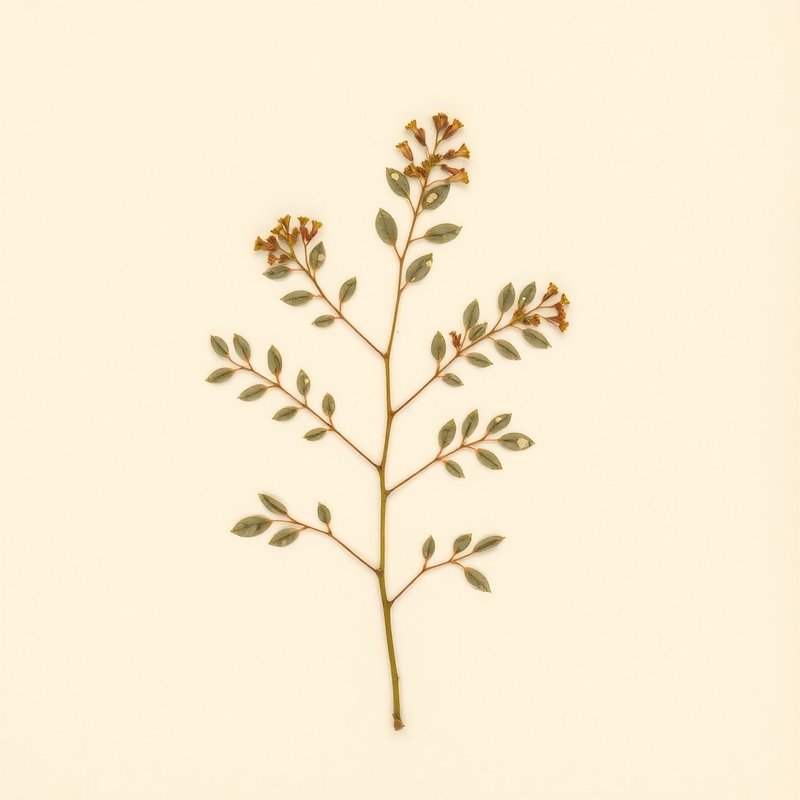
Gaultheria pyroliifolia, commonly known as Chinese wintergreen or yizhi, is a deciduous shrub native to the mountainous regions of China South-Central, East Himalaya, Myanmar, Nepal, and Tibet. This plant thrives in partial sun to full shade and prefers moist, well-draining soil that is light (sandy) to medium in texture. Hardy from zones 5-9, it grows to a height of about 0.2 meters. The fruit of this plant is edible and can be eaten raw or used in various preparations. Typically, the small berries are consumed fresh or incorporated into jams and jellies, adding a unique flavor to desserts and can also be dried for later use. This shrub is particularly useful in gardens for its ornamental value as well as its culinary applications. Its ability to grow in shaded areas makes it an excellent choice for gardeners with limited sunlight exposure. Cultivation of G. pyroliifolia requires ensuring the plant receives adequate moisture and can be propagated via seeds or cuttings. While not medicinal, the fruit's edible nature provides a practical benefit for those looking to add a unique flavor to their dishes.
What is Gaultheria pyroliifolia?
Gaultheria pyroliifolia, commonly known as Chinese wintergreen or yizhi, is a deciduous shrub native to the mountainous regions of China South-Central, East Himalaya, Myanmar, Nepal, and Tibet.
VCultivation
Cultivation
How to grow Gaultheria pyroliifolia for the first time
Start with planting Gaultheria pyroliifolia in a partially shaded area, ensuring you have the right soil and care basics down.
- 1
What you'll need
A young plant or seeds, well-draining potting mix, and a container if planting in a pot.
- 2
Best time to plant
Plant Gaultheria pyroliifolia in spring or early fall when the weather is mild.
- 3
Soil and container prep
Use a light, well-draining soil mix. Ensure containers have drainage holes.
- 4
Sowing or transplanting
Transplant young plants into your garden bed or pot. Sow seeds in trays if starting from seed.
- 5
First two weeks
Keep the soil moist and provide partial shade to help the plant establish roots.
- 6
Ongoing care
Water regularly, especially during dry spells, and mulch around the base for moisture retention.
- 7
Harvest or pruning
Prune lightly in late winter to maintain shape. Harvest fruit when ripe, usually in summer.
- 8
Common mistakes
Overwatering, planting in heavy soil, and not providing enough shade are common issues.
VIEdible & utility
Edible & utility
VIIDistribution
5 native · 0 introduced
Distribution
5 native · 0 introducedIXSpecimen gallery
1 image
Specimen gallery
1 imageExplore further
About this entry
- Last updated
- Citation
- How to cite this entry · Submit a correction
Continue reading
Get archive updates
Occasional email when substantial new content lands — plant profiles, seasonal growing notes, folk-remedy additions. Free, no tracking, unsubscribe anytime.