
Geranium pilosum
IOverview
Overview
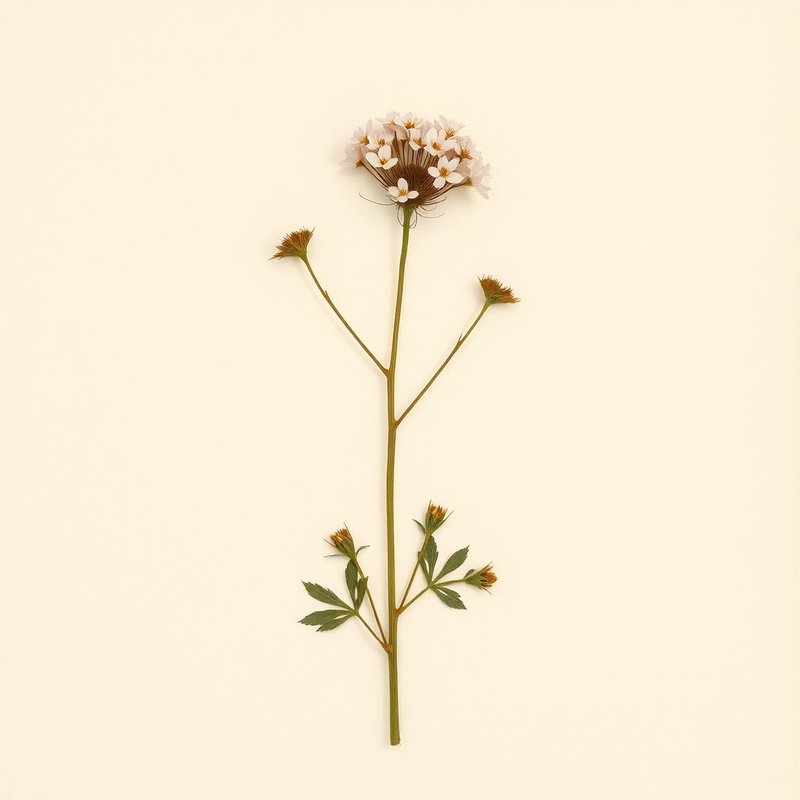
Geranium pilosum, a perennial herb belonging to the Geraniaceae family, is native to the Cape Provinces and has been introduced to several regions in Australia including New South Wales, New Zealand (North and South Islands), Queensland, South Australia, Tasmania, and Victoria. This plant thrives in full sun and prefers moist soil that can be light (sandy), medium, or heavy (clay). Standing at a height of 0.3 meters, Geranium pilosum is recognizable by its hairy leaves and stems. The root of this plant is edible and can be prepared in various ways. It is often dug up and used fresh or dried for later use. Roots are typically cooked to enhance their flavor and texture, making them suitable for both raw and cooked consumption. While the plant is primarily known for its culinary uses, it also has medicinal properties, although caution should be exercised when using it for any health-related purposes.
What is Geranium pilosum?
Geranium pilosum, a perennial herb belonging to the Geraniaceae family, is native to the Cape Provinces and has been introduced to several regions in Australia including New South Wales, New Zealand (North and South Islands), Queensland, South Australia, Tasmania, and Victoria.
IV·bMixology suggestions
2 drafts
Mixology suggestions
2 draftsVCultivation
Cultivation
How to grow Geranium pilosum for the first time
Start with basic care and enjoy the process of growing Skip as a beginner gardener.
- 1
What you'll need
A small pot, quality potting soil, and seeds or young plants.
- 2
Best time to plant
Plant in spring when temperatures are mild and there's no risk of frost.
- 3
Soil and container prep
Use a well-draining potting mix. Ensure the container has drainage holes.
- 4
Sowing or transplanting
Direct sow outdoors after all danger of frost is past, or start seeds indoors 4-6 weeks before planting outside.
- 5
First two weeks
Keep soil consistently moist and place in a sunny spot. Water gently to avoid disturbing the roots.
- 6
Ongoing care
Water when the top inch of soil feels dry, especially during hot weather. Provide full sun exposure.
- 7
Harvest or pruning
Prune lightly after flowering to encourage more blooms and maintain plant shape.
- 8
Common mistakes
Overwatering, planting in heavy soil, not providing enough sunlight, neglecting to prune, and waiting too long before transplanting from indoors.
VIEdible & utility
Edible & utility
VIIDistribution
9 native · 3 introduced
Distribution
9 native · 3 introducedIXSpecimen gallery
1 image
Specimen gallery
1 imageXSee also
6 related
See also
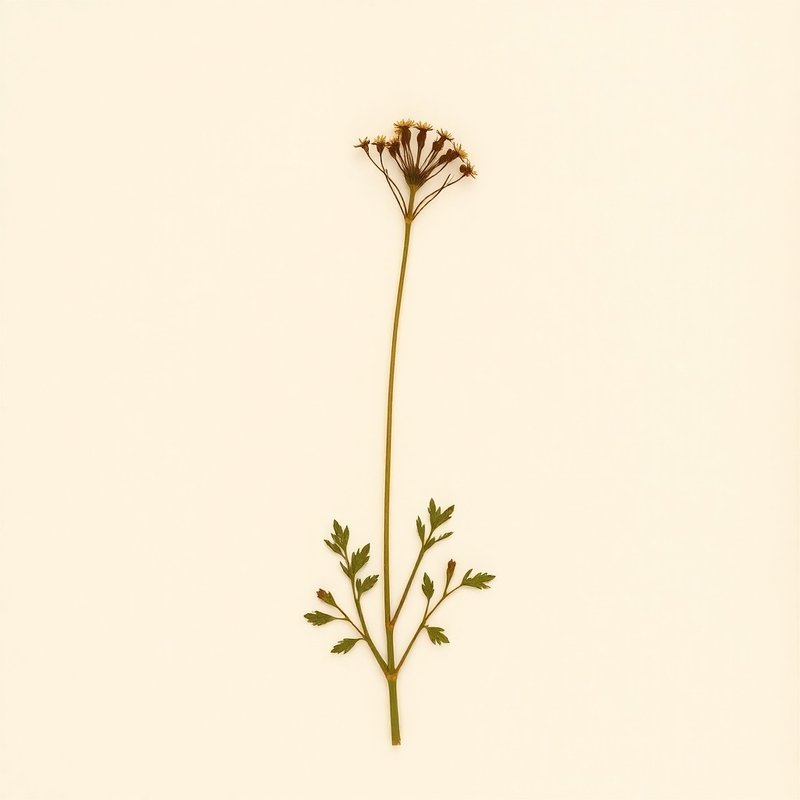
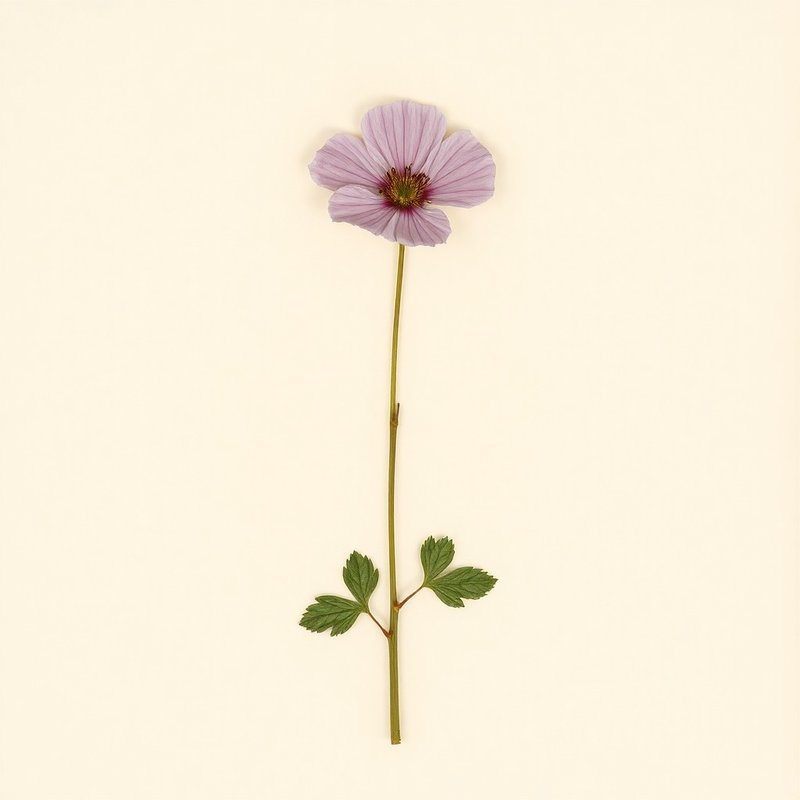
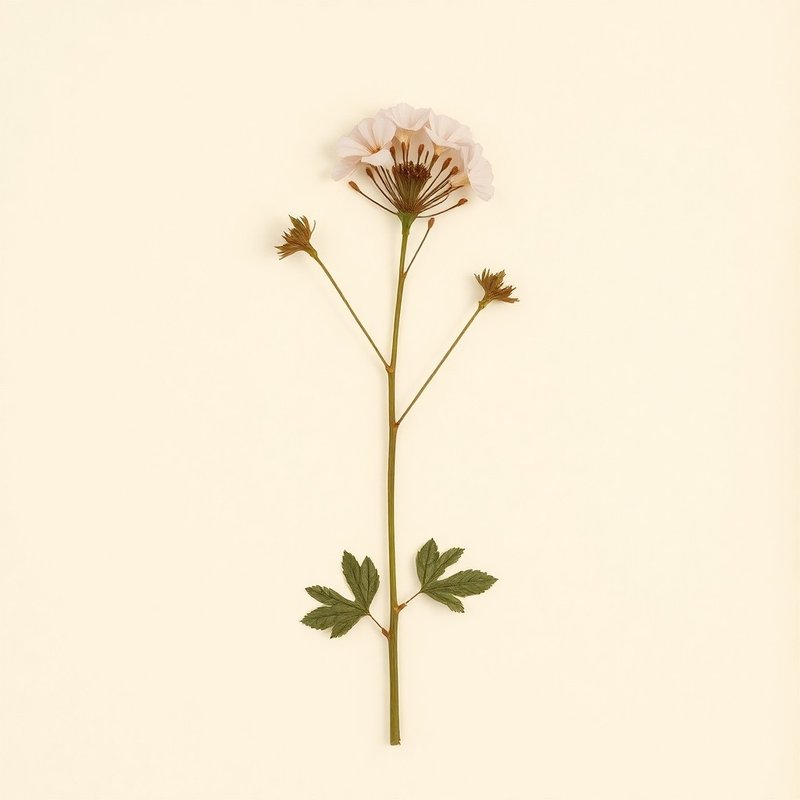
6 relatedPlants you might compare or use together — scored by shared family (Geraniaceae), common use cases, and growing requirements.
Explore further
About this entry
- Last updated
- Citation
- How to cite this entry · Submit a correction
Continue reading
Get archive updates
Occasional email when substantial new content lands — plant profiles, seasonal growing notes, folk-remedy additions. Free, no tracking, unsubscribe anytime.