
Thunberg's geranium
IOverview
Overview
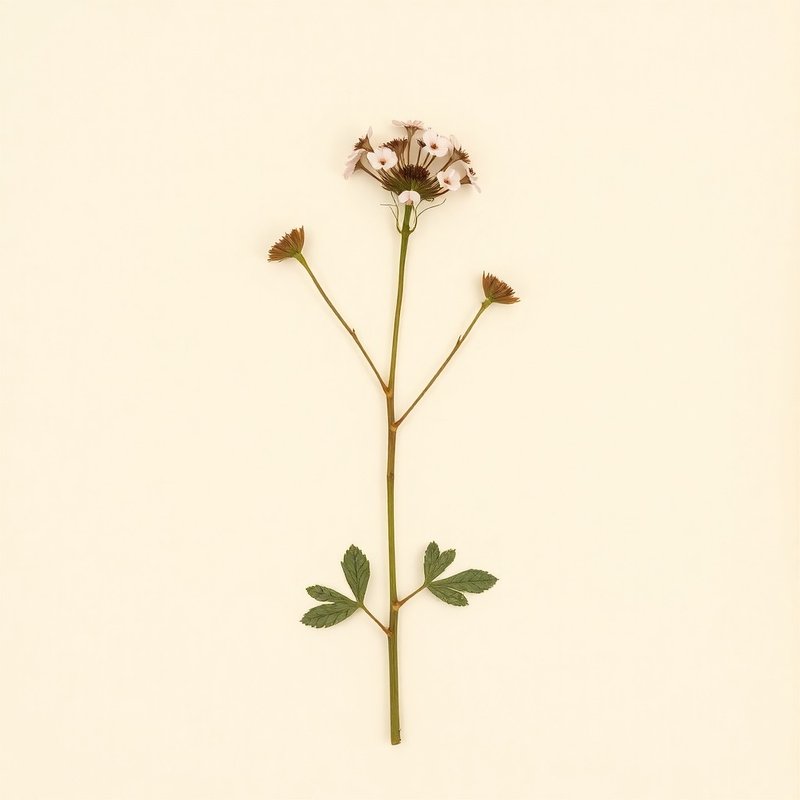
Thunberg's geranium (Geranium thunbergii) is a perennial herb native to regions in China, Japan, Korea, and Taiwan, including areas such as China North-Central, China South-Central, and China Southeast. This plant thrives in moist environments with soil types ranging from light (sandy) to medium and heavy (clay) and prefers full sun exposure. Growing up to 0.3 meters tall, Thunberg's geranium is adaptable to hardiness zones 6-9, making it a versatile addition to gardens in suitable climates. The plant is known for its edible leaves, which can be used in teas, adding a unique flavor to beverages. Additionally, Thunberg's geranium has a long history of traditional use in Chinese medicine, where it is believed to support the immune system. A decoction of the leaves may help bolster the body’s defenses against common ailments. Ethnobotanical sources also suggest that the plant has calming and relaxation properties, often used in tincture form. However, it is important to note that these uses are presented as ethnobotanical context and not as medical advice. Thunberg's geranium's adaptability to various habitats and soil conditions makes it a valuable ornamental plant. Its presence in gardens can contribute to a diverse and vibrant landscape. While the plant is not drought-resistant, its ability to grow in diverse environments across its native range, from China North-Central to Taiwan, highlights its resilience and potential for cultivation in similar conditions.
What is Thunberg's geranium?
Thunberg's geranium (Geranium thunbergii) is a perennial herb native to regions in China, Japan, Korea, and Taiwan, including areas such as China North-Central, China South-Central, and China Southeast.
What is Thunberg's geranium used for?
Traditionally used for stress & anxiety, immune support. Each claim is evidence-rated — see Section II for full citations.
IIBenefits & evidence
2 claims · traditional-use context
Benefits & evidence
2 claims · traditional-use context- Traditional-use note: Thunberg's geranium appears in herbal sources around calming and relaxation traditions, often as a tincture. PlantSage presents this as ethnobotanical context, not as medical advice.
Traditional context only. This reviewed claim keeps the original moderate confidence level, but avoids treatment, disease, dosage, or guaranteed-effect language.
▲ ModerateStress & anxiety → - Geranium species have been traditionally used in Chinese medicine for immune support, with Thunberg's geranium likely sharing similar properties. A decoction of the leaves may help bolster the body’s defenses against common ailments.
The mechanism is not fully characterised but may involve compounds such as tannins and flavonoids that have known immunomodulatory effects.
▲ ModerateImmune support →
IV·bMixology suggestions
1 draft
Mixology suggestions
1 draftVCultivation
Cultivation
How to grow Thunberg's geranium for the first time
Start with Thunberg's geranium as a simple, low-maintenance perennial for your garden.
- 1
What you'll need
Thunberg's geranium seeds or young plants, potting soil, containers if planting in pots.
- 2
Best time to plant
Plant Thunberg's geranium in spring after the last frost or in fall before the first freeze.
- 3
Soil and container prep
Use well-draining soil with a mix of light, medium, or heavy texture. Ensure containers have drainage holes.
- 4
Sowing or transplanting
Direct sow seeds outdoors after danger of frost is past or start them indoors 4-6 weeks before planting outside. Transplant young plants in spring.
- 5
First two weeks
Water regularly to keep the soil moist but not waterlogged. Place in a sunny spot, ensuring it gets full sun exposure.
- 6
Ongoing care
Provide consistent moisture and light. Fertilize sparingly with a balanced plant food during growing season. Prune back after flowering to encourage new growth.
- 7
Harvest or pruning
Prune Thunberg's geranium in late winter before new growth starts to maintain shape and size.
- 8
Common mistakes
Overwatering, planting in heavy clay soil without drainage, neglecting to prune, not providing enough sunlight.
VIEdible & utility
Edible & utility
VIIDistribution
8 native · 11 introduced
Distribution
8 native · 11 introducedIXSpecimen gallery
1 image
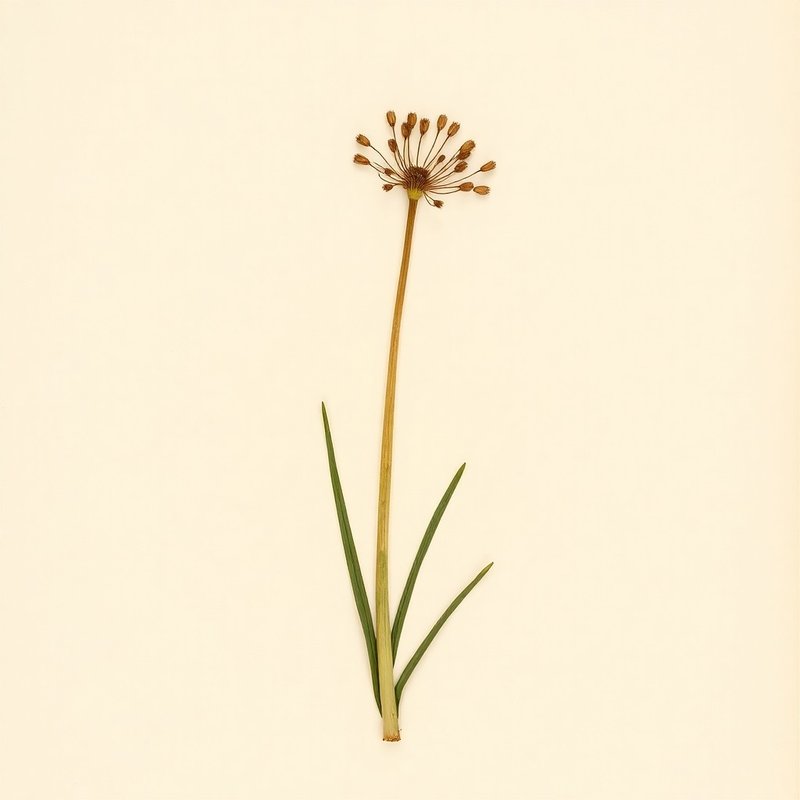
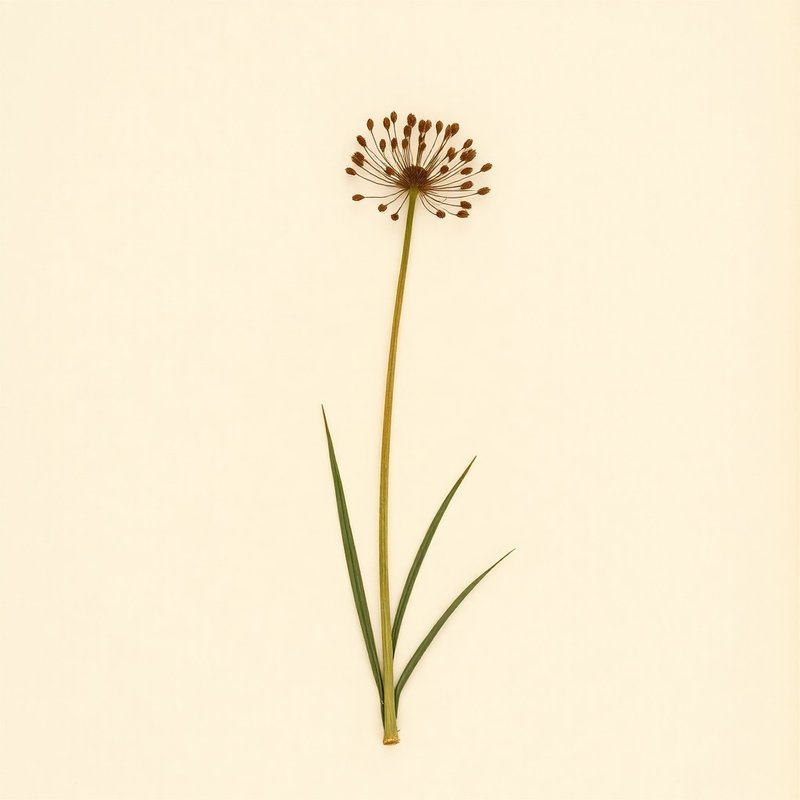
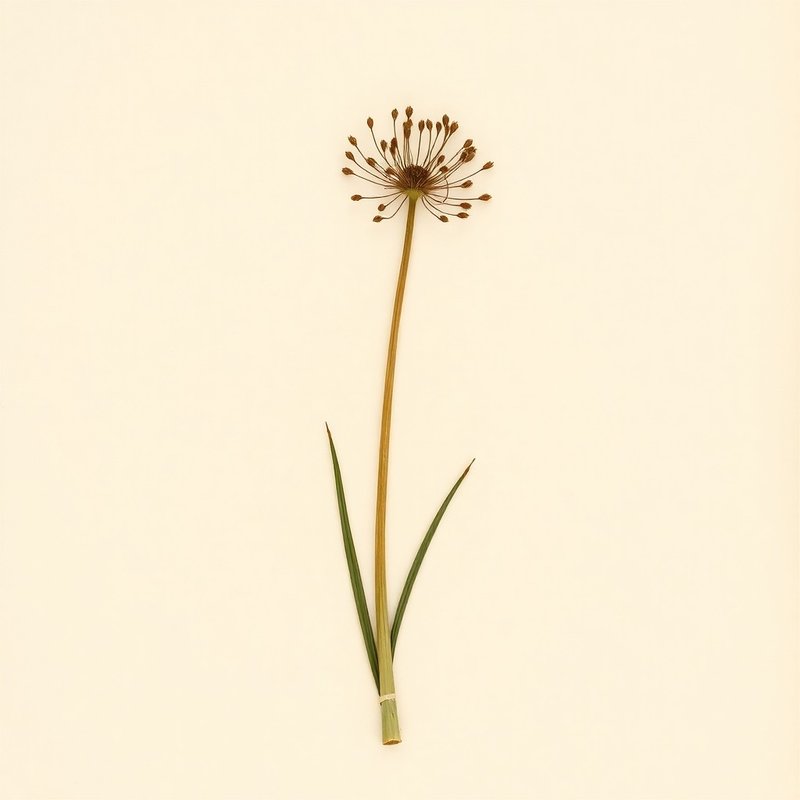
Specimen gallery
1 imageXSee also
8 related
See also
8 relatedPlants you might compare or use together — scored by shared family, common use cases, and growing requirements.


Explore further
About this entry
- Last updated
- Citation
- How to cite this entry · Submit a correction
Continue reading
Get archive updates
Occasional email when substantial new content lands — plant profiles, seasonal growing notes, folk-remedy additions. Free, no tracking, unsubscribe anytime.