
Spiked gladiolus
Gladiolus spicatus
Educational content — not medical, botanical, or professional advice. Plant identification, safety, and edibility depend on local conditions, cultivars, and correct identification. Consult a qualified botanist or forager before consuming or handling wild specimens. How we source & review →
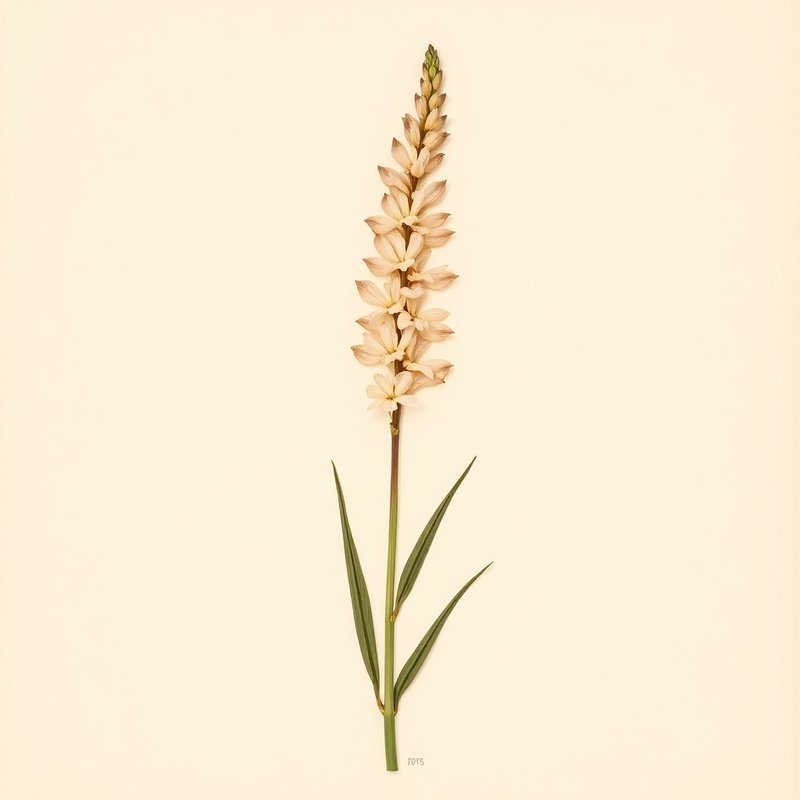
Pl. CA33 — Gladiolus spicatus
Gladiolus spicatusGladiolus spicatusGladiolus spicatusGladiolus spicatusGladiolus spicatusGladiolus spicatusGladiolus spicatusGladiolus spicatusGladiolus spicatusGladiolus spicatusGladiolus spicatusGladiolus spicatusGladiolus spicatusGladiolus spicatus
IOverview
Overview
Spiked gladiolus (Gladiolus spicatus) is a member of the Iridaceae family and is native to regions including the Cape Provinces in South Africa, Angola, Benin, Burkina Faso, Burundi, Cameroon, Central African Republic, and Chad. This plant thrives in full sun to partial shade with moist soil that can be light (sandy), medium, or heavy (clay). Its edible parts include the bulb, making it a valuable addition to gardens not only for its ornamental spikes but also for culinary use. One distinctive feature of spiked gladiolus is its tall, spiky flower spikes, which add an architectural element to any garden setting.
Quick answers
What is Spiked gladiolus?
Spiked gladiolus (Gladiolus spicatus) is a member of the Iridaceae family and is native to regions including the Cape Provinces in South Africa, Angola, Benin, Burkina Faso, Burundi, Cameroon, Central African Republic, and Chad.
Growingconditions · propagation · uses
VCultivation
Cultivation
Spiked gladiolus thrives in full to partial sun and requires moist, well-drained soil that can be light (sandy), medium, or heavy (clay). The plant is hardy in temperate regions but may require protection in colder areas. For propagation, gardeners can divide the bulb. Harvest edible parts by digging up the bulbs when needed.
Light
Full sun, Partial sun/shade
Water
Moist
Soil
Light (sandy), Medium, Heavy (clay)
For first-time growers
How to grow Spiked gladiolus for the first time
8steps
Start with Spiked gladiolus as a simple, rewarding project for beginners.
- 1
What you'll need
Bulbs, potting soil, containers or garden beds, water.
- 2
Best time to plant
Plant in spring after the last frost, or in fall before the first freeze.
- 3
Soil and container prep
Use well-draining soil; mix sand for better drainage if needed. Ensure containers have holes for water to escape.
- 4
Sowing or transplanting
Plant bulbs 4-6 inches deep, with the pointed end up in the soil. Space them about 6-8 inches apart.
- 5
First two weeks
Water regularly to keep the soil moist but not soggy. Avoid overwatering which can lead to rot.
- 6
Ongoing care
Provide full sun for at least 6 hours a day. Water when the top inch of soil feels dry, and mulch to retain moisture.
- 7
Harvest or pruning
After flowering, cut back spent flower stalks but leave the foliage until it yellows naturally to feed the bulb.
- 8
Common mistakes
Overwatering, planting too deep, neglecting to mulch, and not providing enough sunlight.
VIEdible & utility
Edible & utility
Edible parts:Bulb
Edible uses: The spiked gladiolus's bulb is edible and can be prepared in various ways. It is typically eaten raw or cooked, adding a mild flavor to dishes. The bulb can also be dried for later use.
Contextrange · companions · related
VIIDistribution
25 native · 0 introduced
Distribution
25 native · 0 introducedDistribution across1 continent· 25 native
Africa21 regions
native (21)AngolaBeninBurkina FasoBurundiCameroonChadCôte d'IvoireGabonGhanaGuineaGuinea-BissauMalawiMaliMozambiqueNigeriaSenegalSierra LeoneTanzaniaTogoUgandaZambia
Broader regions
native:Cape Provinces, Central African Repu, Congo, Zaïre
IXSpecimen gallery
1 image
Specimen gallery
1 imageXI
Explore further
Companion planting
XII
About this entry
- Last updated
- Citation
- How to cite this entry · Submit a correction
Back to the cataloguePlant id · ca330587-f5f6-46b9-9764-b134987490fd
Decision aid
Choosing between Spiked gladiolus and something else?
Continue reading
❦❦❦❦
Endpaper · archive updates
Get archive updates
Occasional email when substantial new content lands — plant profiles, seasonal growing notes, folk-remedy additions. Free, no tracking, unsubscribe anytime.