
Gladiolus unguiculatus
Gladiolus unguiculatus
Educational content — not medical, botanical, or professional advice. Plant identification, safety, and edibility depend on local conditions, cultivars, and correct identification. Consult a qualified botanist or forager before consuming or handling wild specimens. How we source & review →
Garden journal pausedUse profile notes below
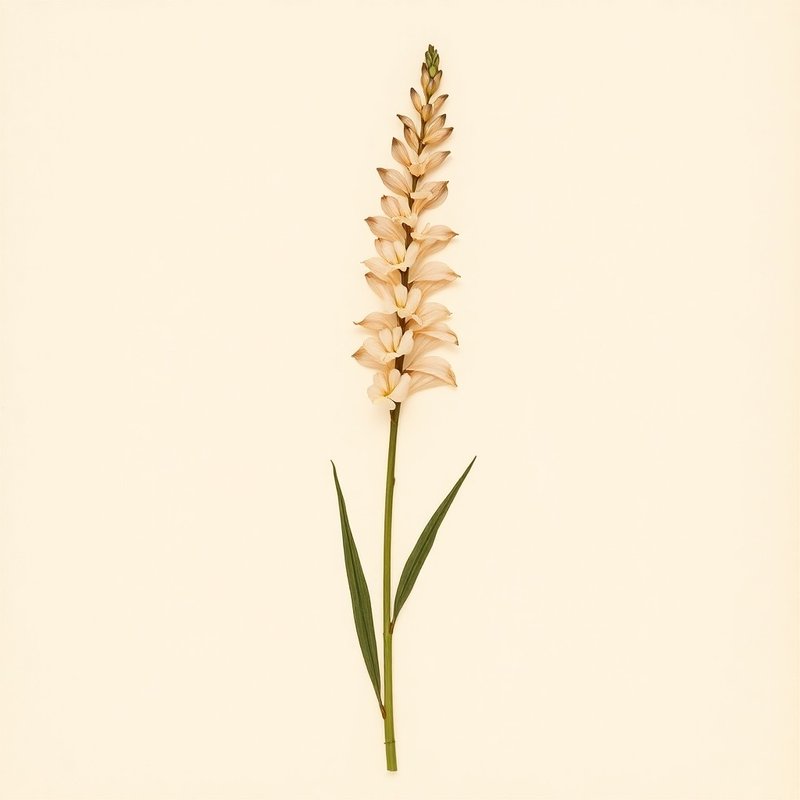
Pl. 88DC — Gladiolus unguiculatus
Gladiolus unguiculatusGladiolus unguiculatusGladiolus unguiculatusGladiolus unguiculatusGladiolus unguiculatusGladiolus unguiculatusGladiolus unguiculatusGladiolus unguiculatusGladiolus unguiculatusGladiolus unguiculatusGladiolus unguiculatusGladiolus unguiculatusGladiolus unguiculatusGladiolus unguiculatus
IOverview
Overview
Gladiolus unguiculatus is a bulbous herb in the iris family, Iridaceae, native to the Cape Provinces of southern Africa. It grows from an underground bulb, the storage organ that defines its growth form, and sits in the herb layer of the vegetation. In cultivation it prefers moisture-retentive ground and tolerates full sun as well as partial sun or shade; within the supplied record it is not described as drought resistant. It is adaptable across soil textures, growing in light sandy, medium, and heavy clay soils, though consistent moisture with reasonable drainage suits it best. The bulb is the plant's edible part. It is reported as edible both raw and cooked, and is commonly boiled to soften the flesh before eating. No further preparation detail is documented in the available data, and the bulbs of related species can be hard to tell apart in the field, so accurate identification should be confirmed before any use. Beyond its edible bulb, the plant is grown for its ornamental value as a flowering herb in temperate gardens and is propagated from its bulb. Its tolerance of both sun and light shade, along with its acceptance of contrasting soil types, makes it versatile in mixed plantings and border schemes. This is an edible, non-medicinal species in the supplied record, so no therapeutic claims or safety warnings for medicinal use apply, and any use of the bulb should proceed only with confident identification.
Quick answers
What is Gladiolus unguiculatus?
Gladiolus unguiculatus is a bulbous herb in the iris family, Iridaceae, native to the Cape Provinces of southern Africa. It grows from an underground bulb, the storage organ that defines its growth form, and sits in the herb layer of the vegetation.
Growingconditions · propagation · uses
VCultivation
Cultivation
Gladiolus unguiculatus thrives in full to partial sun and requires moist soil that can be light (sandy), medium, or heavy (clay). The plant is hardy in temperate regions and is native to areas including the Cape Provinces, Angola, Benin, Botswana, Burkina Faso, Cameroon, Central African Republic, and Chad. To propagate, gardeners can use the edible bulb. Ensure consistent moisture and well-draining soil for best growth.
Light
Full sun, Partial sun/shade
Water
Moist
Soil
Light (sandy), Medium, Heavy (clay)
For first-time growers
How to grow Gladiolus unguiculatus for the first time
7steps
Start with Gladiolus unguiculatus to gain experience in growing bulbs.
- 1
What you'll need
Bulbs, potting soil, a container, and water.
- 2
Best time to plant
Plant in autumn or early spring when the weather is cooler.
- 3
Soil and container prep
Use well-draining soil and ensure your container has drainage holes.
- 4
Sowing or transplanting
Plant bulbs 4-6 inches deep, with the pointed end up in a pot filled with soil.
- 5
First two weeks
Water sparingly to avoid rotting. Keep the soil moist but not waterlogged.
- 6
Ongoing care
Provide full sun or partial shade and keep the soil consistently moist, especially during flowering.
- 7
Harvest or pruning
After flowers fade, cut back the flower stalks to encourage new growth. Allow foliage to yellow before removing.
VIEdible & utility
Edible & utility
Edible parts:Bulb
Edible uses: The bulb of Gladiolus unguiculatus is edible and can be eaten raw or cooked. Typically, it is prepared by boiling to soften the flesh before consumption. Skip the detailed preparation steps as they are not provided in the data.
Contextrange · companions · related
VIIDistribution
27 native · 0 introduced
Distribution
27 native · 0 introducedDistribution across1 continent· 27 native
Africa23 regions
native (23)AngolaBeninBotswanaBurkina FasoCameroonChadCôte d'IvoireGabonGambiaGhanaGuineaGuinea-BissauMalawiMaliMozambiqueNigeriaSenegalSierra LeoneSudanTanzaniaTogoZambiaZimbabwe
Broader regions
native:Cape Provinces, Central African Repu, Congo, Zaïre
IXSpecimen gallery
1 image
Specimen gallery
1 imageXI
Explore further
Companion planting
XII
About this entry
- Last updated
- Citation
- How to cite this entry · Submit a correction
Back to the cataloguePlant id · 88dc19ac-607a-42a4-8b70-1bda326e8e46
Decision aid
Choosing between Gladiolus unguiculatus and something else?
Continue reading
❦❦❦❦
Endpaper · archive updates
Get archive updates
Occasional email when substantial new content lands — plant profiles, seasonal growing notes, folk-remedy additions. Free, no tracking, unsubscribe anytime.
Newsletter returning soon.
We are rebuilding the update list around a lightweight editorial workflow. New dispatches will resume after the next content review cycle.