
Black Saltwort
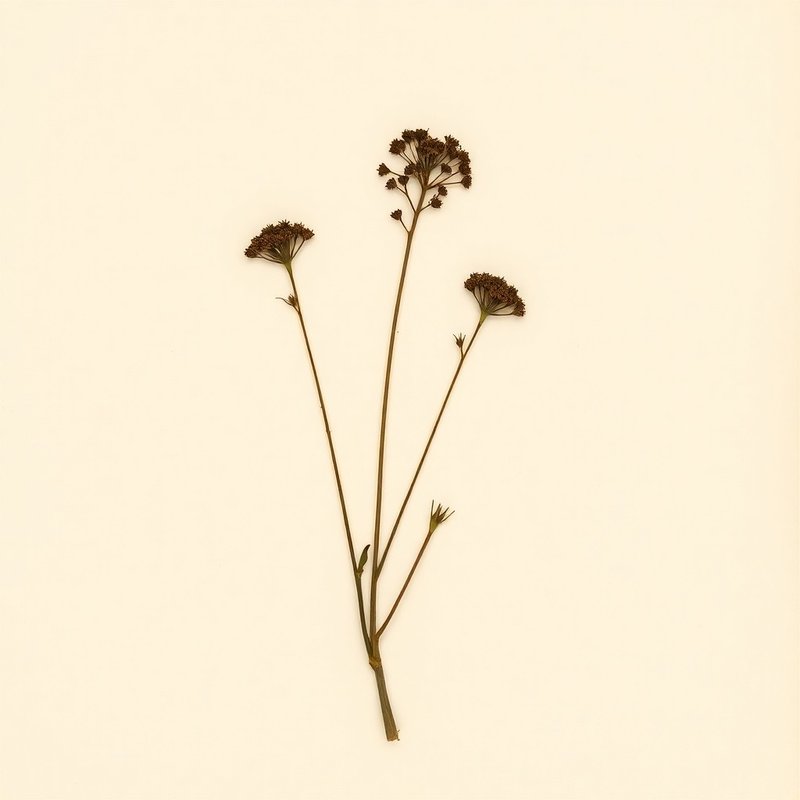
IOverview
Overview
Black Saltwort (Glaux maritima) is a perennial forb or herb that thrives in moist, light to medium soils with a pH of 7-7.5. Native to regions including Afghanistan, Alaska, and Alberta, this plant has spread across much of Europe, Asia, and North America. Known for its edible parts—leaves, roots, and shoots—it is often found in habitats ranging from coastal areas to inland locations. Standing at about 0.3 meters tall, Black Saltwort can be identified by its light, moist-loving nature and adaptability to various soil types, making it a resilient and widespread plant in its native range. This hardy perennial grows up to 0.3 meters tall and is often found in environments with moderate atmospheric humidity (7). It thrives in light to medium soils, showing resilience across a variety of growing conditions. The plant can be propagated through seeds or division and is known for its edible parts—leaves, roots, and shoots—which can be consumed raw or cooked. Given its native range across temperate regions, Black Saltwort is hardy but may require protection in colder climates. Black Saltwort's adaptability to various soil types and moisture levels makes it a versatile plant for gardeners and foragers alike. Its presence in coastal areas and inland locations highlights its ability to thrive in diverse habitats. While not medicinal, the plant’s edible parts offer a nutritious addition to one's diet, making Black Saltwort an interesting choice for those interested in foraging or gardening with native species.
What is Black Saltwort?
Black Saltwort (Glaux maritima) is a perennial forb or herb that thrives in moist, light to medium soils with a pH of 7-7.5. Native to regions including Afghanistan, Alaska, and Alberta, this plant has spread across much of Europe, Asia, and North America.
VCultivation
Cultivation
How to grow Black Saltwort for the first time
Black Saltwort is a hardy plant that can be easily grown by beginners with the right conditions.
- 1
What you'll need
Seeds or young plants, potting soil, containers or garden space.
- 2
Best time to plant
Plant in spring after the last frost or in fall before the first freeze.
- 3
Soil and container prep
Use a well-draining soil mix with a pH between 7 and 7.5, ensuring good drainage.
- 4
Sowing or transplanting
Direct sow seeds in the garden or start them indoors 4-6 weeks before planting outside.
- 5
First two weeks
Water regularly to keep soil moist but not waterlogged. Monitor for pests and diseases.
- 6
Ongoing care
Provide light watering as needed, especially during dry spells. Fertilize sparingly with a balanced fertilizer.
- 7
Harvest or pruning
Prune to maintain shape and remove dead foliage. Harvest leaves and shoots for culinary use when young.
- 8
Common mistakes
Overwatering, using heavy soil that doesn't drain well, neglecting to prune regularly.
VIEdible & utility
Edible & utility
VIIDistribution
98 native · 1 introduced
Distribution
98 native · 1 introducedIXSpecimen gallery
1 image
Specimen gallery
1 imageExplore further
About this entry
- Last updated
- Citation
- How to cite this entry · Submit a correction
Continue reading
Get archive updates
Occasional email when substantial new content lands — plant profiles, seasonal growing notes, folk-remedy additions. Free, no tracking, unsubscribe anytime.