
Glyceria plicata
Glyceria plicata
Educational content — not medical, botanical, or professional advice. Plant identification, safety, and edibility depend on local conditions, cultivars, and correct identification. Consult a qualified botanist or forager before consuming or handling wild specimens. How we source & review →
Garden journal pausedUse profile notes below
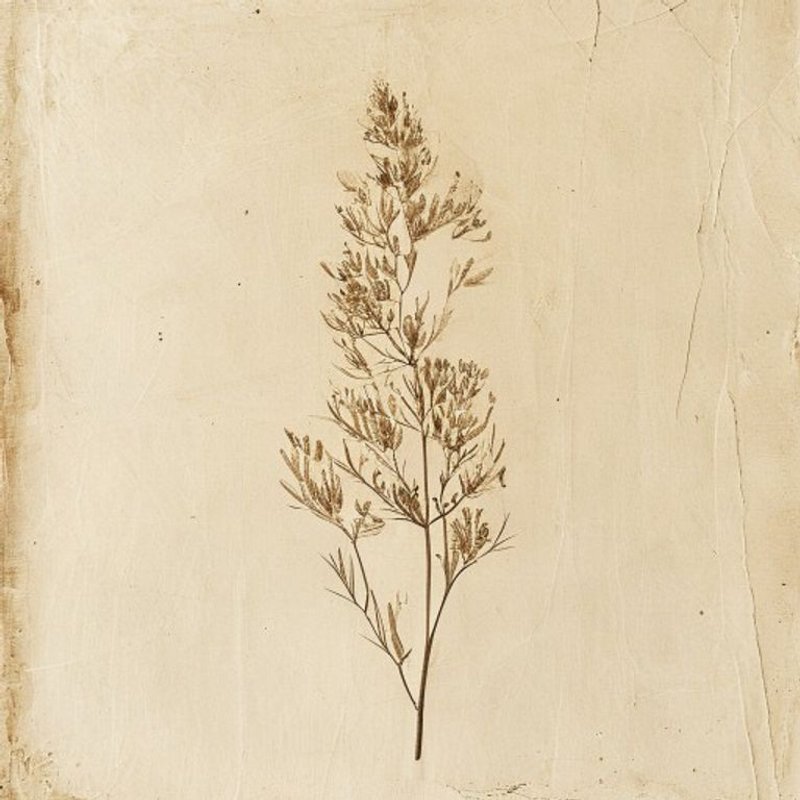
Pl. 3B97 — Glyceria plicata
Glyceria plicataGlyceria plicataGlyceria plicataGlyceria plicataGlyceria plicataGlyceria plicataGlyceria plicataGlyceria plicataGlyceria plicataGlyceria plicataGlyceria plicataGlyceria plicataGlyceria plicataGlyceria plicata
IOverview
Overview
Glyceria plicata, commonly known as soft mannagrass, is a perennial grass native to central and southern Europe, extending eastward into Asia. This plant thrives in wet environments such as marshes and along riverbanks, with a native range that includes countries like Afghanistan, Albania, Algeria, Austria, and Belarus. Glyceria plicata can grow up to 0.8 meters tall and prefers light to heavy soils with a pH between 5.5 and 6.5. It is adaptable to various soil types and can be found in diverse habitats across its native range. The plant's edible seed parts make it a useful resource, particularly in regions where food sources are limited. Typically, the seeds are collected when ripe and may be prepared by grinding or roasting before consumption. They can also be added directly to dishes raw or cooked. Glyceria plicata prefers light conditions but can tolerate various soil types, making it a versatile plant for cultivation. This perennial grass is native to temperate regions across Europe, Asia, and North Africa, extending from Afghanistan to Xinjiang in China, and from Turkey to the United Kingdom. It has been introduced into several additional areas including Chatham Islands, Colombia, Costa Rica, Hawaii, and parts of New Zealand. Glyceria plicata's adaptability to various environments contributes to its widespread distribution. While primarily valued for its edible seeds, this plant is not known for medicinal uses. Its presence in wetlands and riverbanks makes it an important part of the local ecosystem, providing habitat and food sources for wildlife.
Quick answers
What is Glyceria plicata?
Glyceria plicata, commonly known as soft mannagrass, is a perennial grass native to central and southern Europe, extending eastward into Asia.
Growingconditions · propagation · uses
VCultivation
Cultivation
Glyceria plicata thrives in wet conditions and prefers light (sandy), medium, or heavy (clay) soils with a pH of 5.5 to 6.5. This perennial plant grows up to 0.8 meters tall and is native to temperate regions across Europe, Asia, and North Africa. It requires plenty of light but can tolerate various soil types. For propagation, it can be grown from seed. Ensure the planting area remains consistently moist for best results.
Light
8/10
Water
Wet, Water
Soil
Light (sandy), Medium, Heavy (clay)
Life cycle
Perennial
Mature size
0.8 m tall
Soil pH
5.5–6.5
Seasonal calendar
Northern hemisphere · UTC month is November
winterspringsummerautumnwinter
BloomJFMAMJJASOND
For first-time growers
How to grow Glyceria plicata for the first time
8steps
Start with Glyceria plicata as a simple, low-maintenance perennial for your garden.
- 1
What you'll need
A small Glyceria plicata plant or seeds, a container or garden bed, and basic gardening tools.
- 2
Best time to plant
Plant in early spring or late fall when the soil is moist but not waterlogged.
- 3
Soil and container prep
Ensure the soil is well-draining with a pH between 5.5 and 6.5, either in a pot or directly in the garden bed.
- 4
Sowing or transplanting
Transplant young plants or sow seeds directly into the prepared soil, spacing them about 30 cm apart.
- 5
First two weeks
Keep the soil consistently moist and avoid direct sunlight for the first couple of weeks to help establish the plant.
- 6
Ongoing care
Water regularly during dry spells but be careful not to overwater. Mulch around the base to retain moisture.
- 7
Harvest or pruning
Prune dead foliage in late winter to maintain a neat appearance and encourage new growth.
- 8
Common mistakes
Overwatering, planting in heavy clay soil, neglecting to mulch, and exposing the plant to direct sunlight during establishment.
VIEdible & utility
Edible & utility
Edible parts:Seed
Edible uses: The seed of Glyceria plicata is edible and can be harvested for consumption. Typically, the seeds are collected when ripe and may be prepared by grinding or roasting before eating. They can also be added to various dishes raw or cooked. Skip the detailed preparation methods as specific cooking instructions are not provided in the data.
Contextrange · companions · related
VIIDistribution
56 native · 10 introduced
Distribution
56 native · 10 introducedDistribution across4 continents· 56 native· 10 introduced
Europe23 regions
native (23)AlbaniaAustriaBelarusBelgiumBulgariaDenmarkFinlandFranceGermanyGreeceHungaryIrelandItalyNetherlandsNorwayPolandRomaniaRussiaSpainSwedenSwitzerlandUkraineUnited Kingdom
Asia10 regions
native (10)AfghanistanChinaIranIraqKazakhstanPakistanPalestineTurkeyTurkmenistanUzbekistan
Americas3 regions
introduced (3)ColombiaCosta RicaUnited States
Africa3 regions
native (3)AlgeriaMoroccoTunisia
Broader regions
native:Baltic States, Buryatiya, Czechoslovakia, East Aegean Is., Kirgizstan, Lebanon-Syria, Tadzhikistan, Transcaucasus, Turkey-in-Europe, Yugoslavia
introduced:Chatham Is., Kamchatka, New Zealand North, New Zealand South, Primorye, Sakhalin, Victoria
IXSpecimen gallery
1 image
Specimen gallery
1 imageXI
Explore further
Companion planting
Native to
XII
About this entry
- Last updated
- Citation
- How to cite this entry · Submit a correction
Back to the cataloguePlant id · 3b9756fd-8720-482e-9f83-87cb8abc12c6
Decision aid
Choosing between Glyceria plicata and something else?
Continue reading
❦❦❦❦
Endpaper · archive updates
Get archive updates
Occasional email when substantial new content lands — plant profiles, seasonal growing notes, folk-remedy additions. Free, no tracking, unsubscribe anytime.
Newsletter returning soon.
We are rebuilding the update list around a lightweight editorial workflow. New dispatches will resume after the next content review cycle.