
Gmelina
Gmelina arboreafam. Verbenaceae
Educational content — not medical, botanical, or professional advice. Plant identification, safety, and edibility depend on local conditions, cultivars, and correct identification. Consult a qualified botanist or forager before consuming or handling wild specimens. How we source & review →
Garden journal pausedUse profile notes below
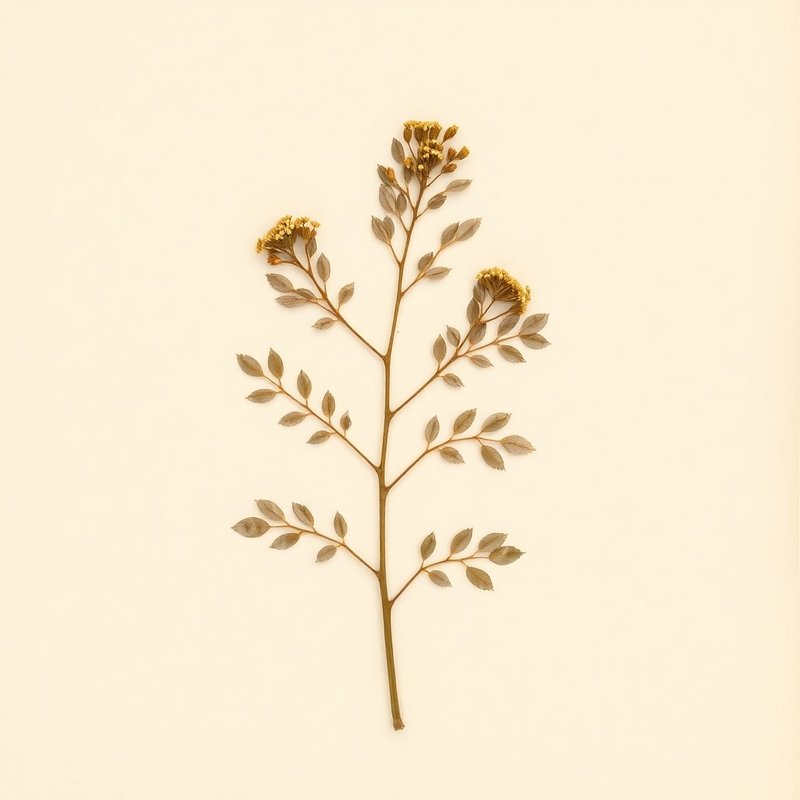
Pl. 0444 — Gmelina arborea
Gmelina arboreaGmelina arboreaGmelina arboreaGmelina arboreaGmelina arboreaGmelina arboreaGmelina arboreaGmelina arboreaGmelina arboreaGmelina arboreaGmelina arboreaGmelina arboreaGmelina arboreaGmelina arborea
IOverview
Overview
Gmelina arborea, commonly known as Gmelina, is a tall tree native to a wide range of regions including the Andaman Islands, Assam, Bangladesh, Cambodia, China South-Central region, East Himalaya, India, Laos, Myanmar, Nepal, Pakistan, Sri Lanka, Thailand, and Vietnam. This versatile plant thrives in moist conditions with light to partial shade and can grow up to 25 meters tall. Gmelina is known for its edible flowers and fruits, which can be consumed raw or cooked in various dishes, and the fruits can also be used to make jams and jellies. The tree's adaptability to various soil types—light (sandy), medium, and heavy (clay)—and its hardiness in zones 9-12 make it a valuable addition to gardens and landscapes. Gmelina is also appreciated for its ornamental qualities and its utility in creating hedgerows, windbreaks, and as a pioneer species. Its fast growth and ability to coppice make it a useful plant for multiple purposes, including fire starters, dye production, lumber, textiles, and as a pioneer species. While primarily known for its ornamental and edible uses, Gmelina's adaptability and growth form make it a versatile choice for a variety of growing contexts.
Quick answers
What is Gmelina?
Gmelina arborea, commonly known as Gmelina, is a tall tree native to a wide range of regions including the Andaman Islands, Assam, Bangladesh, Cambodia, China South-Central region, East Himalaya, India, Laos, Myanmar, Nepal, Pakistan, Sri Lanka, Thailand, and Vietnam.
Growingconditions · propagation · uses
VCultivation
Cultivation
Gmelina thrives in full to partial sun and prefers moist soil that is light (sandy), medium, or heavy (clay). It grows best in hardiness zones 9-12 and can reach a height of 25 meters. Propagate through seeds or cuttings. The tree produces edible flowers and fruit, making it useful for both ornamental and culinary purposes.
Light
Full sun, Partial sun/shade
Water
Moist
Soil
Light (sandy), Medium, Heavy (clay)
Hardiness
9-12
Habit
Tree
Mature size
25.0 m tall
For first-time growers
How to grow Gmelina for the first time
8steps
Start with a simple Gmelina tree to observe its growth and care needs.
- 1
What you'll need
A young Gmelina sapling, well-draining soil, and a container or garden space.
- 2
Best time to plant
Plant in spring when the weather is warm but not too hot.
- 3
Soil and container prep
Ensure the soil is light, medium, or heavy with good drainage. For containers, use a pot at least 15 liters (4 gallons) in size.
- 4
Sowing or transplanting
Transplant the sapling carefully, ensuring not to damage the roots. Water thoroughly after planting.
- 5
First two weeks
Keep the soil moist but not waterlogged. Place the plant in a partially shaded area during this period.
- 6
Ongoing care
Water regularly, especially when the weather is dry. Provide full sun to partial shade and prune occasionally for shape.
- 7
Harvest or pruning
Prune young branches to encourage a strong structure. Harvest flowers and fruits as desired once they mature.
- 8
Common mistakes
Overwatering, planting in full sun without partial shade, neglecting regular pruning, and using unsuitable soil types.
VIEdible & utility
Edible & utility
Edible parts:FlowersFruit
Edible uses: The flowers and fruits of Gmelina are edible. The flowers can be eaten raw or cooked in various dishes, while the fruits are typically consumed fresh or used to make jams and jellies.
Other uses:Fire starterDyeLumberHedgerowtextilesPioneerWind breakerCoppice
Contextrange · companions · related
VIIDistribution
14 native · 19 introduced
Distribution
14 native · 19 introducedDistribution across3 continents· 14 native· 19 introduced
Asia12 regions
native (11)BangladeshCambodiaChinaIndiaLaosMyanmarNepalPakistanSri LankaThailandVietnam
introduced (1)Philippines
Americas8 regions
introduced (8)BelizeCosta RicaEcuadorEl SalvadorGuatemalaNicaraguaPeruVenezuela
Africa3 regions
introduced (3)BeninGambiaSudan
Broader regions
native:Andaman Is., East Himalaya
introduced:Borneo, Cook Is., Florida, Malaya, Mexico Southeast, Nicobar Is., Trinidad-Tobago
IXSpecimen gallery
1 image
Specimen gallery
1 imageXI
Explore further
XII
About this entry
- Last updated
- Citation
- How to cite this entry · Submit a correction
Back to the cataloguePlant id · 04443bc9-b62e-4ce3-8a12-4130136eb291
Decision aid
Choosing between Gmelina and something else?
Continue reading
❦❦❦❦
Endpaper · archive updates
Get archive updates
Occasional email when substantial new content lands — plant profiles, seasonal growing notes, folk-remedy additions. Free, no tracking, unsubscribe anytime.
Newsletter returning soon.
We are rebuilding the update list around a lightweight editorial workflow. New dispatches will resume after the next content review cycle.