
Tree Cotton
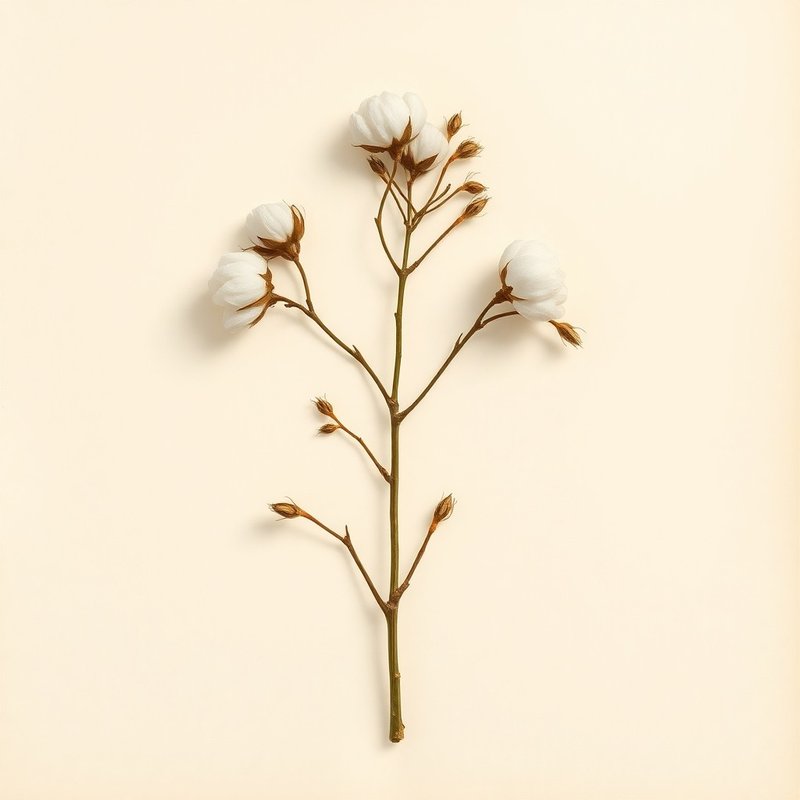
IOverview
Overview
Tree Cotton (Gossypium arboreum) is a deciduous shrub or small tree native to India and Sri Lanka, known for its adaptability in various soil types—light (sandy), medium, and heavy (clay)—and its preference for full sun and moist conditions. Growing up to 5 meters tall, this plant thrives in regions with hardiness zones 10-12. Tree Cotton is notable for its edible leaves and seeds, making it a valuable resource in the areas where it grows. This shrub or small tree has been introduced into numerous regions including Angola, Assam, Bangladesh, Benin, Chad, China South-Central, China Southeast, Cuba, East Himalaya, Ethiopia, Gabon, Ghana, Leeward Islands, Mali, Nigeria, Puerto Rico, St. Helena, Sudan, Taiwan, Tanzania, Thailand, Togo, Trinidad-Tobago, Uganda, Vietnam, and Yemen. Its ability to grow in diverse environments has made it a useful plant for cultivation purposes, particularly for the production of oil from its seeds. Tree Cotton's leaves and seeds are edible, providing a source of nutrition in regions where it is cultivated. While primarily valued for its utility in producing oil, this plant also offers ornamental value due to its fast growth rate and adaptable nature. However, caution should be exercised when handling or consuming parts of the plant, as some species within the Gossypium genus can cause skin irritation.
What is Tree Cotton?
Tree Cotton (Gossypium arboreum) is a deciduous shrub or small tree native to India and Sri Lanka, known for its adaptability in various soil types—light (sandy), medium, and heavy (clay)—and its preference for full sun and moist conditions.
VCultivation
Cultivation
How to grow Tree Cotton for the first time
Start with Tree Cotton as a simple, low-maintenance project for beginners.
- 1
What you'll need
Seeds or seedlings, potting soil, containers or garden space.
- 2
Best time to plant
Plant in spring when the last frost has passed and temperatures are warm.
- 3
Soil and container prep
Use well-draining soil with a mix of light (sandy), medium, or heavy clay soils. Ensure containers have drainage holes.
- 4
Sowing or transplanting
Direct sow seeds in the garden after danger of frost is past, or start seedlings indoors 4-6 weeks before planting outside.
- 5
First two weeks
Water regularly to keep soil moist. Place in a sunny spot and protect from strong winds.
- 6
Ongoing care
Provide full sun exposure, water when the top inch of soil feels dry, and mulch to retain moisture.
- 7
Harvest or pruning
Prune branches for shape and size control. Harvest leaves and seeds as needed for use in crafts or cooking.
- 8
Common mistakes
Overwatering, planting too deep, neglecting sun exposure, not providing enough support for the plant's height.
VIEdible & utility
Edible & utility
VIIDistribution
2 native · 26 introduced
Distribution
2 native · 26 introducedIXSpecimen gallery
1 image
Specimen gallery
1 imageExplore further
About this entry
- Last updated
- Citation
- How to cite this entry · Submit a correction
Continue reading
Get archive updates
Occasional email when substantial new content lands — plant profiles, seasonal growing notes, folk-remedy additions. Free, no tracking, unsubscribe anytime.