
Griselinia littoralis
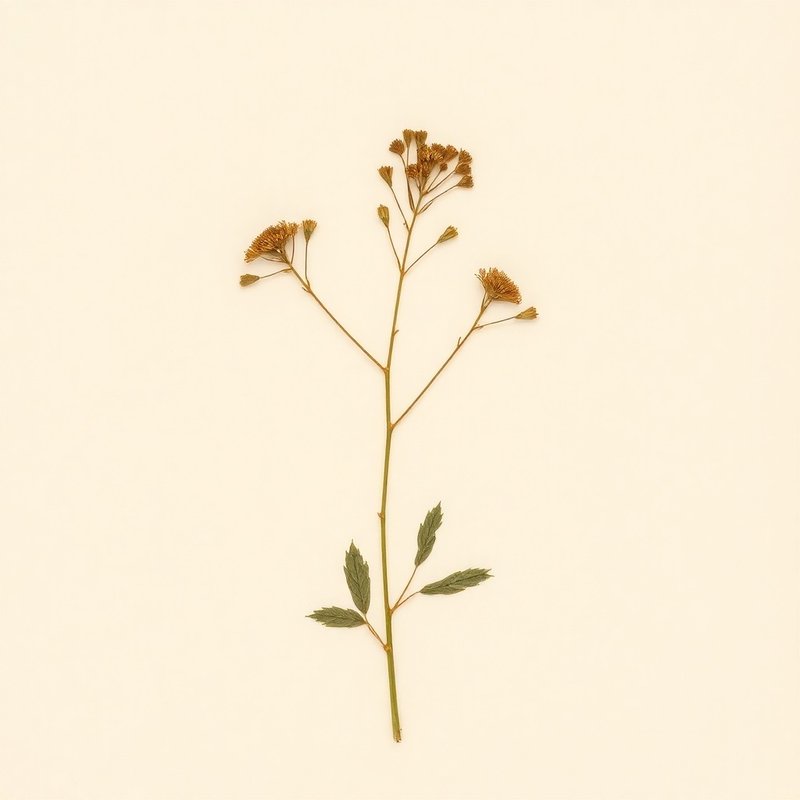
IOverview
Overview
Griselinia littoralis, commonly known as New Zealand native holly or ngaio, is a deciduous shrub native to the North and South Islands of New Zealand. This plant thrives in moist, light (sandy) to medium soil and can tolerate partial sun to full sun exposure. Known for its ornamental value with dark green foliage and small white flowers, it also has edible fruit that are often used in local cuisine. The plant grows up to 6 meters tall and is hardy within USDA zones 6-9. Its adaptability makes it a popular choice for gardens and landscapes while providing both aesthetic appeal and culinary benefits. The fruit, which can be eaten raw or used in jams or preserves, adds a sweet flavor to various dishes. While primarily grown for its ornamental and edible qualities, Griselinia littoralis also serves as a valuable hedgerow plant and can be used for lumber. Introduced into Great Britain and Tasmania, this versatile shrub has found a place in gardens beyond its native range.
What is Griselinia littoralis?
Griselinia littoralis, commonly known as New Zealand native holly or ngaio, is a deciduous shrub native to the North and South Islands of New Zealand. This plant thrives in moist, light (sandy) to medium soil and can tolerate partial sun to full sun exposure.
VCultivation
Cultivation
How to grow Griselinia littoralis for the first time
Start with a simple planting of Griselinia littoralis for a low-maintenance, attractive addition to your garden.
- 1
What you'll need
A young Griselinia littoralis plant and some well-draining soil.
- 2
Best time to plant
Plant in spring or autumn when the weather is mild.
- 3
Soil and container prep
Ensure the soil is light, sandy, or medium with good drainage. Amend as needed.
- 4
Sowing or transplanting
Transplant a young plant into your garden bed or a large pot.
- 5
First two weeks
Water regularly to keep the soil moist but not waterlogged. Monitor for any signs of stress.
- 6
Ongoing care
Provide partial sun to full sun, and continue regular watering during dry spells.
- 7
Harvest or pruning
Prune lightly in late winter to maintain shape and remove dead branches. Fruit is edible but not commonly harvested.
- 8
Common mistakes
Overwatering, planting in heavy soil, neglecting to prune, and exposing to full sun without acclimation.
VIEdible & utility
Edible & utility
VIIDistribution
2 native · 2 introduced
Distribution
2 native · 2 introducedIXSpecimen gallery
1 image
Specimen gallery
1 imageExplore further
About this entry
- Last updated
- Citation
- How to cite this entry · Submit a correction
Continue reading
Get archive updates
Occasional email when substantial new content lands — plant profiles, seasonal growing notes, folk-remedy additions. Free, no tracking, unsubscribe anytime.